
Facebook Pixel

Socioeconomic Diversity in the Workplace

One often overlooked aspect of workplace diversity is socioeconomic diversity – the range of financial and social backgrounds people come from.

The Problem with Class Labels

Terms like “upper,” “middle,” and “lower” class are commonly used to describe socioeconomic differences, but they can be problematic. Referring to someone as “lower class” carries a negative connotation, reinforcing the idea that people from less affluent backgrounds belong at the bottom of a social and financial hierarchy. Historically, such labels have been used to justify inequality – denying people access to rights and opportunities while disproportionately rewarding those already in privileged positions.

Because of systemic barriers like historical marginalization, disenfranchisement, and discriminatory laws, socioeconomic status often intersects with other identities. Consider the gender pay gap, which highlights how women are often paid less than men for the same work. Or think about how racial discrimination has historically limited access to housing, education, and wealth accumulation, further deepening economic disparities.
The Workplace Impact of Socioeconomic Background

One of the key goals of DEI is to remove barriers that prevent people from accessing opportunities. Socioeconomic background – just like race, gender, and sexual orientation – can shape a person’s experiences in ways that impact their career trajectory.

Someone from a financially disadvantaged background may have had:

  • Fewer academic opportunities due to lack of resources
  • Extra financial responsibilities, requiring them to work multiple jobs
  • Limited transportation options, making commuting more difficult

These factors don’t reflect work ethic or talent, yet they often influence hiring decisions and workplace perceptions.

Cultural Bias and Socioeconomic Stigma

Beyond financial barriers, socioeconomic diversity also affects culture, communication, and personal expression. Mannerisms, accents, clothing styles, and speech patterns can vary by economic background, yet these differences often carry stigma.

Terms like “redneck,” “hillbilly,” “trailer trash,” or “thug” are all class-based slurs that reinforce bias, even when other forms of discrimination are actively addressed.

Recognizing Socioeconomic Diversity as Part of Inclusion

Socioeconomic background plays a significant role in shaping identity, just as race or gender does. Recognizing and respecting these differences creates a more inclusive workplace – one where people are valued for their skills, perspectives, and contributions rather than the circumstances they were born into.

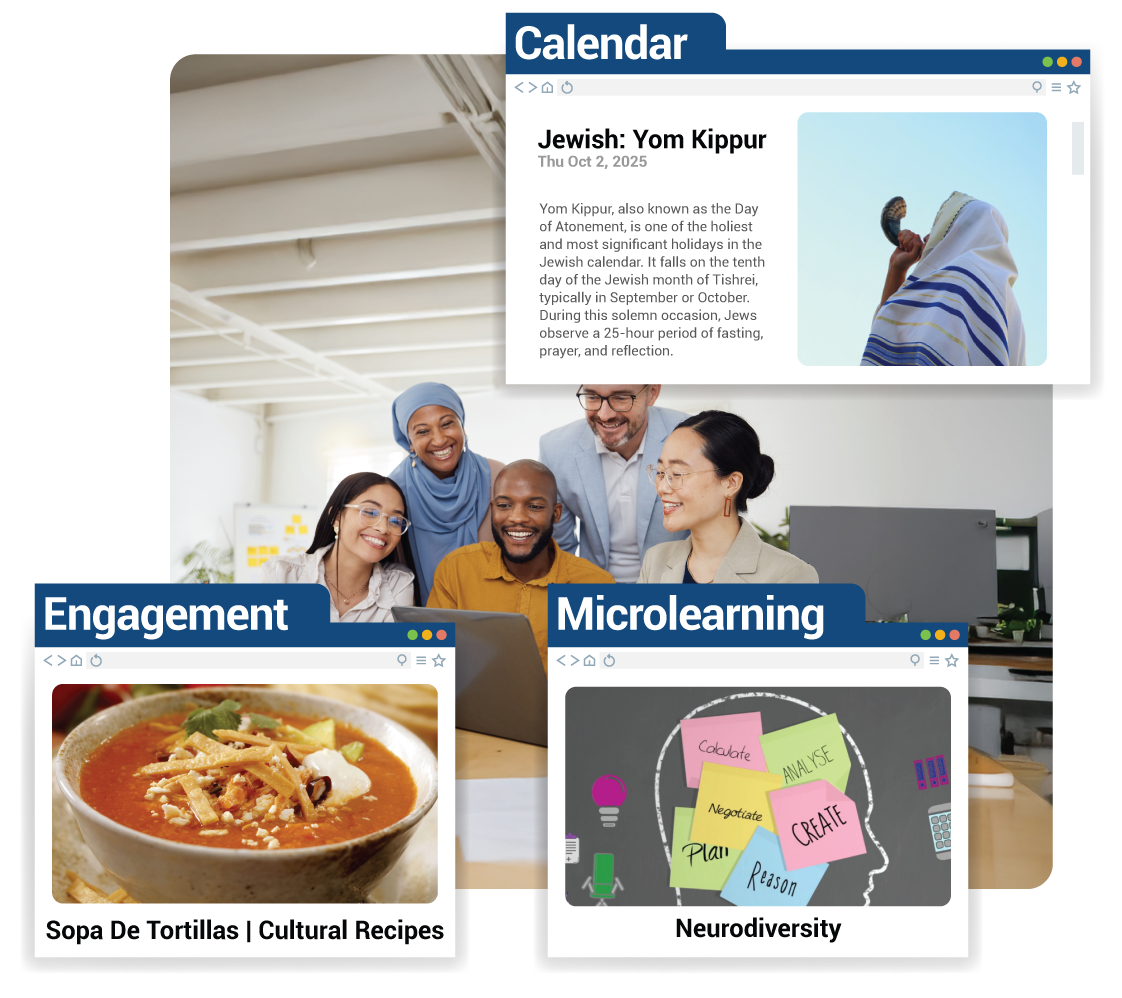
Want to build a more inclusive workplace? Our Diversity Calendar helps organizations recognize and support diverse backgrounds year-round. 

DEI: 7 Tips to Survive and Thrive During Political Turmoil

Lately, the loudest voices claim that companies are abandoning diversity, equity, and inclusion. But the data tells a different story: in 2025, 65% of companies are maintaining their DEI budgets, and 22% are increasing their investment.

So why does it seem like DEI is in decline? Because news cycles thrive on controversy. A single company scaling back on DEI grabs more attention—and more clicks—than the 100 companies holding steady.

The real issue isn’t just a few businesses making cuts. It’s the broader push to discredit DEI through misinformation, shaping public perception to make inclusion seem like a fading trend rather than a business imperative.

If companies don’t actively counter these narratives with facts, transparency, and a clear commitment to DEI’s value, they risk losing support—not because DEI isn’t working, but because the conversation has been hijacked.

The solution isn’t to retreat – it’s to reframe the conversation and reinforce DEI’s role in business success.

Strategies to Maintain DEI in a Politically Charged Climate

1. Align DEI with Core Business Goals
To safeguard DEI efforts, they must be positioned as essential business functions, not optional initiatives. Instead of framing DEI as a standalone program, integrate it into company-wide goals like talent acquisition, market expansion, employee engagement, and risk management. Show how DEI contributes to innovation, better decision-making, and financial success.

When DEI is seen as a driver of performance, rather than a political stance, it becomes much harder to justify cutting it.

2. Emphasize Inclusive Leadership
Leaders play a critical role in maintaining DEI momentum. Equip executives, managers, and team leads with the tools to navigate sensitive conversations and model inclusive behaviors. This isn’t just about training – it’s about cultivating leadership that understands and champions the business benefits of DEI.

When leadership sees DEI as part of long-term success, they are more likely to protect and reinforce these initiatives, even in politically volatile times.

3. Use Data to Tell the Story
Facts cut through misinformation. Regularly track and report on DEI progress: hiring trends, retention rates, engagement levels, and customer insights. Companies that rely on data to measure DEI’s impact can easily counter false narratives and demonstrate that these efforts aren’t about political correctness; they are about business sustainability.

Transparency in DEI metrics also reassures employees and stakeholders that the company remains committed, even when external narratives suggest otherwise.

4. Adapt the Language, Not the Mission
Some organizations have adjusted how they talk about DEI without changing their core values. Terms like “workplace engagement,” “belonging,” and “culture strategy” resonate in environments where “diversity” has been politicized. Read more about Corporate Responses to DEI Policy Changes.

This isn’t about abandoning the mission – it’s about ensuring that the message is heard in a way that builds bridges instead of fueling division. Thoughtful language shifts can help organizations navigate political climates while keeping inclusion at the heart of their work.

5. Strengthen Employee and External Communication
Silence breeds uncertainty. Employees need clear and consistent messaging about where the company stands on DEI. Instead of waiting for backlash to react, proactively communicate the company’s commitment and progress.

Externally, avoid performative statements that invite scrutiny but lack substance. Instead, highlight real stories: how DEI impacts employees, customers, and business outcomes. Engage with stakeholders authentically, focusing on shared values rather than reactive debates.

6. Build External Partnerships for Resilience
DEI doesn’t exist in a vacuum. Partnering with advocacy groups, industry networks, and nonprofit organizations strengthens credibility and provides support in times of public or political pressure. These collaborations can also help companies stay informed on best practices, legal updates, and innovative approaches to DEI.

7. Stay Compliant and Proactive
As legislation changes, ensure DEI initiatives align with legal requirements while maintaining ethical commitments. Conduct regular audits to anticipate risks and adjust strategies as necessary.

Being proactive, not reactive, protects organizations from being caught off guard by new regulations or political shifts.

DEI’s Future Depends on Resilience, Not Reactivity

The current climate is challenging, but it’s not an excuse to abandon DEI. While media narratives may focus on companies retreating, the real story is that most organizations remain committed. The difference between those that sustain their DEI efforts and those that fold is strategic resilience.

The fight for inclusion isn’t over, but how we approach it will determine its future. Now is the time to lead with clarity, confidence, and an unwavering commitment to building workplaces where everyone thrives.

One of the simplest ways to keep inclusion at the center of your workplace is through our Inclusion Calendar. It helps organizations stay informed about cultural, religious, and identity-based events while offering microlearning resources to build a truly inclusive work environment. Try it free today!

Corporate Responses to DEI Policy Changes

In recent weeks, Diversity, Equity, and Inclusion (DEI) initiatives have faced increasing scrutiny, with political and social pressures influencing corporate decisions. Once seen as essential components of workplace culture and branding, DEI programs are now under reassessment as companies attempt to balance inclusion efforts with growing legal and ideological opposition.

Companies such as Disney, USAA, Target, Google, and others have made significant modifications to their DEI strategies, reflecting broader trends in the corporate world. These changes are not merely symbolic; they have real implications for employees, customers, and long-term business strategy.

The Shift: Why Companies Are Modifying DEI Programs

Several forces are driving corporations to revise their DEI efforts, including:

Political and Legislative Backlash: The recent DEI executive order and government scrutiny have placed restrictions on DEI training and hiring practices, making it legally complex for companies to continue certain programs. Many corporations fear legal retaliation or financial penalties for non-compliance with evolving government regulations.

Economic Pressures: With layoffs and cost-cutting measures, some organizations have deprioritized DEI programs, considering them non-essential.

Public and Shareholder Sentiment: Companies are responding to customer and investor concerns, with some pushing for continued DEI efforts and others calling for their removal.

Brand Reputation Management: Balancing the need to maintain an inclusive image while not alienating segments of their customer base has become a growing challenge.

Corporate Approaches to DEI Adjustments

Rather than eliminating DEI efforts outright, many companies are shifting strategies to protect their reputations while complying with new political pressures. Common approaches include:

Rebranding DEI Initiatives: Some companies have swapped out DEI terminology in favor of words like “belonging,” “talent development,” or “inclusive culture.” This allows them to maintain workplace inclusivity without drawing unwanted political scrutiny.

Reducing DEI Budgets and Teams: Many organizations, particularly in tech, have significantly downsized their DEI teams under the guise of cost-cutting measures. While companies claim these reductions are due to economic downturns, they also serve to quietly scale back commitments.

State-Specific Policy Adjustments: Companies operating in multiple states are adapting their DEI programs based on regional legislation, maintaining certain efforts in liberal-leaning states while minimizing them in conservative ones.

Lowering Visibility of DEI Efforts: Some corporations are opting for internal DEI efforts that are less publicly advertised to avoid political backlash while still upholding some level of workplace diversity.

Long-Term Consequences and Risks

While these corporate adjustments may provide short-term protection against political backlash, they carry significant long-term risks:

Legal and Compliance Challenges: As DEI-related regulations continue to shift, companies that roll back their programs may later face compliance issues if political leadership changes again.

Workforce Impact: Employees, particularly younger workers and underrepresented groups, may feel alienated or undervalued if they perceive DEI efforts are being deprioritized.

Reputation and Consumer Loyalty: Businesses that scale back DEI may lose trust among customers who prioritize social responsibility and inclusion, potentially affecting brand loyalty.

Innovation and Market Competitiveness: A less diverse workforce may hinder innovation and limit companies’ ability to understand and serve diverse customer bases, affecting long-term growth.

The Future of DEI in Corporate America

The corporate response to DEI policy changes reflects a balancing act between compliance, consumer sentiment, and political pressures. Many companies are not abandoning DEI entirely but are instead finding ways to adjust their language, scale back commitments, or shift their efforts behind the scenes. The Trump administration’s aggressive stance against DEI has forced companies into a difficult position, requiring them to navigate legal risks while attempting to uphold inclusive workplaces.

Ultimately, the future of corporate DEI will likely involve a blend of cautious positioning, selective implementation, and a shift away from public-facing commitments toward behind-the-scenes workplace inclusion efforts. Whether these shifts will result in long-term damage or adaptation to a changing business environment remains to be seen.

Looking for a way to keep inclusion efforts alive in your workplace? Our Inclusion Calendar provides a comprehensive, customizable calendar featuring key cultural, religious, and identity-based events and microlearning resources to support your workforce planning and engagement efforts.

HR Calendar 2025

As businesses prepare for another year of growth and success, having an HR calendar 2025 becomes a critical tool for staying organized and building employee engagement. From recognizing important cultural and religious observances to scheduling key company events, an HR calendar ensures that no important dates are overlooked. This guide will walk you through how to optimize your HR calendar for 2025 to improve workplace inclusion, planning, and overall productivity.

What Is an HR Calendar?

An HR calendar is a strategic tool that helps Human Resources teams track and plan key dates throughout the year. These include public holidays, cultural events, religious holidays, employee milestones, compliance deadlines, and company-wide activities like training sessions or team-building exercises. An HR calendar 2025 can also act as a roadmap to ensure inclusive workplace practices are embedded in your organization’s culture.

Why an HR Calendar 2025 Is Essential

The workplace is evolving, with greater emphasis on employee well-being and inclusion. Here are a few reasons why an HR calendar 2025 is indispensable:

Building Inclusion
By incorporating religious and cultural observances into your HR calendar 2025, employees feel valued and respected. For example, observing Ramadan, Diwali, or Lunar New Year demonstrates awareness of your team’s diversity.

Avoiding Scheduling Conflicts
Planning around key dates, such as blackout periods for major religious holidays, helps avoid conflicts in project deadlines and ensures everyone’s availability.

Boosting Employee Morale
Celebrating milestones, such as work anniversaries or Employee Appreciation Day, boosts team spirit and engagement.

Compliance and Reporting
Stay ahead of legal deadlines, like payroll and tax filings, ensuring your HR processes remain compliant.

Key Dates to Include in Your HR Calendar 2025

When building your HR calendar for 2025, ensure it includes the following types of events:

Public Holidays: Recognize national holidays in the countries where your teams operate.

Religious Observances: Include events like Easter, Eid al-Fitr, Rosh Hashanah, and Vaisakhi. Our Diversity Calendar offers an extensive list of these dates, including their significance and workplace impact.

Employee-Centric Events: Days like International Women’s Day (March 8) or World Mental Health Day (October 10) provide opportunities to focus on inclusion and well-being.

Compliance Deadlines: Mark critical dates for HR processes, such as open enrollment periods for benefits and annual performance reviews.

Company Events: Include training sessions, diversity workshops, and team-building activities to keep your employees engaged and aligned with your company’s goals.

Building an Inclusive Workplace in 2025

Using a comprehensive HR calendar 2025 allows organizations to anticipate challenges, proactively address employee needs, and align company goals with important cultural and workplace milestones. This forward-looking approach is vital for cultivating a workplace culture that values both individual contributions and team achievements.

An HR calendar 2025 is more than just a planning tool – it’s a step toward building a workplace where employees feel seen and appreciated. As you map out your HR calendar 2025, consider leveraging tools like our Diversity Calendar to ensure your organization stays ahead in creating a culture of inclusion.

DEI Executive Order: Still Legal, Still Profitable

The shifting political landscape has raised questions about the future of diversity, equity, and inclusion (DEI) in the United States. With DEI facing new challenges under the current administration, some companies may feel pressured to reassess their strategies. Yet the facts remain: DEI is not only legal but continues to be a key driver of business success and profitability.

Nearly 6 in 10 Americans Still Support DEI

Despite the rhetoric, 59% Americans still favor diversity initiatives. The recent Axios Vibes/Harris Poll survey revealed that the majority — nearly 6 in 10 — oppose or are unsure about rolling back DEI programs. This includes younger generations, who strongly value workplace inclusivity and equity.

Corporations are taking note of this broad public support. Employees and customers alike expect businesses to reflect the diversity of their communities and champion equitable opportunities. Some companies, like Walmart, have even faced backlash in response to scaling back DEI programs. DEI is not a “woke agenda” – it’s a practical response to demographic realities and market demands.

DEI Drives Profits and Innovation

The business case for DEI is stronger than ever. According to the AlixPartners Disruption Index, nearly 75% of global CEOs say their DEI efforts have positively impacted their bottom lines. Leaders like JPMorgan Chase’s Jamie Dimon and executives at Apple and Goldman Sachs have doubled down on their DEI commitments, arguing that diverse teams fuel innovation, improve decision-making, and strengthen company performance.

Research consistently supports these claims. Inclusive organizations are better positioned to attract top talent, serve diverse markets, and navigate complex challenges. They foster creativity by bringing together people with different perspectives and experiences. In short, DEI is not just an ethical priority, it’s a strategic advantage.

Adapting to New Circumstances

While some companies have undergone DEI rollback initiatives due to political and legal pressure, most are adjusting their approaches rather than retreating entirely. For example:

  • Refocusing Efforts: Companies are refining DEI programs to avoid legal vulnerabilities, such as replacing hiring targets with broader candidate outreach initiatives
  • Rebranding Messaging: Some organizations are rethinking how they communicate about DEI to reduce the perception of partisanship while staying committed to inclusion
  • Expanding Access: Many businesses are creating mentorship and leadership development programs open to all employees, emphasizing equal opportunity over quotas

Why DEI Matters More Than Ever

The recent political shift may create temporary uncertainty, but it does not diminish the long-term importance of DEI. Here’s why:

1. Employee Expectations: Today’s workforce values inclusive workplaces. A Pew Research Center survey shows that over half of employees still see DEI as a positive force in the workplace. Retaining top talent requires meeting these expectations.

2. Business Resilience: Inclusive companies are better equipped to navigate market and societal changes. By embracing diversity, they build stronger brands and more resilient teams.

3. Global Competitiveness: As globalization accelerates, companies with diverse workforces are better positioned to compete in international markets and connect with a broader customer base.

4. Legal Compliance
: DEI is fully compliant with existing laws, including federal anti-discrimination regulations. While the administration may discourage certain programs, businesses can confidently maintain legal DEI initiatives that prioritize equity and inclusion.

Looking Ahead

The DEI landscape may be evolving, but its fundamental value remains unchanged. Forward-thinking companies will continue to prioritize inclusion, not just because it’s the right thing to do, but because it’s essential for long-term success.

While the rhetoric around “woke” policies may create noise, the facts speak louder: DEI drives innovation, enhances profitability, and builds stronger organizations. Adjustments may be necessary, but the commitment to building diverse, equitable, and inclusive workplaces will endure.

For businesses looking to navigate these challenges, the path is clear: adapt, innovate, and stay the course. DEI is here to stay, and its benefits are too significant to ignore. Our Employee Engagement Calendar can help you lead the way.

Walmart Faces the Cost of Cutting DEI

Walmart’s decision to scale back its diversity, equity, and inclusion (DEI) programs is making waves, not just among activists but among its investors. A coalition of more than 30 shareholders, representing $266 billion in funds, has written to Walmart CEO Doug McMillon, demanding clarity on the company’s retreat from DEI initiatives.

The investors, organized by the Interfaith Center on Corporate Responsibility, expressed frustration, describing the move as “disheartening” and accusing Walmart of caving to “bullying and pressure from anti-DEI groups.” Among the shareholders are major names like Amalgamated Bank and the Dominican Sisters of Grand Rapids, who have been engaging with Walmart on DEI issues for over 30 years.

Investors Speak Out: “Inequity Is Bad for Business”

In their letter, the shareholders emphasized that DEI isn’t just a feel-good initiative; it’s a critical business strategy. Caroline Boden, director of shareholder advocacy at Mercy Investment Services, put it plainly:

“DEI initiatives aren’t just ‘nice to have,’ they are essential to breaking down the systemic inequities hindering our economy. Inequity is bad for business and, ultimately, investors.”

The group has called for direct discussions with Walmart’s leadership to better understand the rationale behind the policy change and to voice their concerns about the risks of moving away from DEI.

The Business Risks of Cutting DEI

Investors’ concerns aren’t unfounded. Scaling back DEI initiatives can pose significant risks for businesses:

Reputational Damage
Walmart’s move has already drawn negative attention from investors and stakeholders. DEI rollback sends a signal that the company isn’t prioritizing inclusivity, which can erode trust among employees, customers, and partners.

Investor Confidence
Shareholders have made it clear: DEI matters to them. They see it as a cornerstone of good governance and sustainable growth. Ignoring these concerns risks losing the confidence of those who fund the company’s success.

Economic Inequities Hurt Business
Systemic inequities, like discrimination in hiring, pay gaps, and unequal access to opportunities, aren’t just social issues – they’re business problems. Companies that actively work to address these challenges are better positioned for long-term success.

Employee Retention and Recruitment
DEI initiatives are a key driver of employee satisfaction and loyalty. Without them, companies risk higher turnover, disengaged employees, and struggles to attract top talent.

A Lesson for Other Companies

Walmart’s experience highlights a critical reality: DEI isn’t just a moral choice – it’s a business imperative. Backtracking on inclusion efforts may placate certain groups in the short term, but it risks alienating the very stakeholders who understand the value of DEI.

If your organization is looking for ways to meaningfully integrate DEI into your operations, start with simple, impactful steps. Our interactive Diversity Calendar is designed to help organizations celebrate cultural, religious, and identity-based observances while providing educational resources to deepen understanding.

Religious Inclusion in the Workplace

Religious inclusion means respecting, welcoming, and celebrating different religions as part of every team’s values year-round. Significant religious observances occur throughout the year, spanning Christianity, Judaism, Islam, Eastern religions, spiritual traditions, and cultural practices. Taking steps to include everyone builds respect and creates a workplace where employees feel valued.

Religious inclusion starts with recognizing the diversity of practices and traditions employees may observe. In the U.S., the principle of freedom of religion has been foundational since the country’s founding, ensuring spaces that respect diverse beliefs. By incorporating these values into workplace culture, organizations can create an environment where employees feel their identities are acknowledged and respected.

The Legal Basis for Religious Inclusion

The Civil Rights Act of 1964 laid the groundwork for protecting religious equality in the workplace. It prohibits employers from hiring, firing, or compensating employees differently based on their religion. It also makes it illegal to “limit, segregate, or classify” employees in ways that negatively affect their employment status because of their religion. DEI efforts build on this legal foundation to create workplaces where religious inclusion and equity thrive.

Inclusive Language and Practices

Using inclusive language avoids assumptions and ensures no one feels excluded. For example, avoid phrasing that assumes employees observe specific holidays or traditions. Recognize that not everyone follows the same calendar or celebrates events at the same time.

Visual elements, decorations, and even event planning should reflect diverse traditions rather than focusing on one dominant practice. Acknowledging multiple perspectives shows respect for the variety of beliefs within your team.

Respecting Diverse Needs and Practices

A truly inclusive workplace recognizes and respects varied religious practices and accommodations. For instance, many Muslims observe daily prayer, and some Jewish employees may follow kosher dietary laws. During events or meal planning, consider these needs to ensure everyone feels included.

It’s also important to note that significant religious holidays which should be part of in an employee engagement calendar 2025 occur throughout the year, not just during commonly recognized holiday periods. For example, Ramadan in Islam often falls in the spring, while other key observances take place in the summer or fall. Acknowledging these variations ensures year-round inclusivity.

Improving Religious Inclusion 

Cultivating awareness and understanding varied practices is the first step toward creating religious inclusion. If you’re looking for an easier way to incorporate this knowledge, the Online Diversity Calendar is a great tool. It provides quick, comprehensive insights into holidays, observances, and practices from around the world.

Understanding DEI Rollback

When any practice or convention becomes widely adopted, there’s often a phase of backlash. This resistance isn’t always rooted in solid arguments or data but is often a reaction to change itself. DEI initiatives face similar reactionary pushback. However, this shouldn’t be mistaken for a reversal of progress. It’s part of growth and transformation. Below, we explore strategies to navigate and understand DEI rollback effectively.

Strategies to Navigate DEI Rollback

Avoid Quick Reactions and Judgments
DEI rollback is frequently fueled by isolated incidents that gain disproportionate media attention. In today’s fast-paced media environment, micro-trends can dominate headlines, making small setbacks appear as major reversals.

Progress isn’t linear – think of it as ten steps forward, one step back. Don’t let a single sensationalized moment overshadow the broader advancements in DEI.

Focus on Data, Not Headlines
To counter cultural or political opposition, focus on objective data. For example, a Pew Research Center study found that 56% of employed adults view increased DEI efforts as positive, compared to only 16% with negative opinions.

Additionally, half of workers say it’s “extremely or very important” to work in an environment accessible to people with disabilities. Social media buzz, no matter how amplified, is no substitute for credible research and authentic employee feedback. Without data, organizations may misinterpret DEI rollback as a widespread issue rather than a reactionary narrative. An inclusive HR calendar 2025 can make all the difference for employees.

Understanding Why DEI Faces Pushback

Pushback against DEI mirrors the resistance seen with other widespread changes, from technological advancements like 5G to social developments such as voting rights or same-sex marriage. Let’s break down some common patterns behind this resistance:

Zero-Sum Thinking
Some people view DEI as a zero-sum game, where progress for one group means loss for another. For instance, they might believe DEI initiatives conflict with free speech, failing to see the nuanced ways these concepts coexist. This zero-sum perspective amplifies DEI rollback narratives, even when the data contradicts them.

One-Dimensional Thinking
This type of thinking reduces DEI to a single focus, such as quotas. It overlooks the broader context: how DEI connects to organizational culture, innovation, and long-term sustainability. Misunderstandings like these fuel DEI rollback arguments and weaken productive conversations.

Us vs. Them Thinking
This mindset categorizes people into rigid in-groups and out-groups, ignoring the intersectionality and complexity of identity. It limits thoughtful engagement with DEI by oversimplifying human diversity. Addressing DEI rollback requires countering this divisive mentality and encouraging collaboration.

DEI Rollback: Resistance Is Not Reversal

DEI is a transformative movement designed to address systemic inequities and promote inclusion. It operates at the crossroads of business, politics, and human rights. Reactionary pushback is inevitable for any movement driving significant change, but understanding its root causes helps organizations respond thoughtfully to DEI rollback.

Don’t let the noise of DEI rollback derail your progress. Equip your organization with tools like our Diversity Calendar to stay informed, inclusive, and ahead of the curve.

The Evolving Role of Diversity in Universities

Universities are uniquely positioned to promote and reflect diversity within their classrooms and communities. Diversity university efforts, also referred to as diversity higher ed or diversity education, encompass more than just race or ethnicity. They include gender identity, socioeconomic background, religion, nationality, disability, and more.

Why Diversity Matters in Higher Education

Diversity enriches the learning experience. When students from varied backgrounds come together, they bring unique perspectives that challenge biases and expand worldviews. This exchange of ideas prepares students to collaborate in diverse workplaces and global communities.

Beyond the classroom, diversity impacts research. Studies show that teams with varied backgrounds are more innovative, producing groundbreaking ideas by integrating different viewpoints. Universities that prioritize diversity attract top-tier faculty and students.

Challenges to Building Diversity

Despite its importance, achieving diversity in higher education isn’t easy. Systemic barriers such as unequal access to quality education and financial constraints often limit opportunities for underrepresented groups.

Additionally, in some states, policies now restrict diversity, equity, and inclusion (DEI) initiatives at universities, creating further obstacles. These bans highlight the need for innovative approaches to inclusivity that avoid focusing solely on DEI terminology while still fostering a welcoming and supportive environment.

Strategies for Promoting Diversity

1. Holistic Admissions Practices:
Moving beyond test scores to consider a student’s life experiences and resilience can help diversify student populations.

2. Scholarship Programs:
Financial aid targeted at underrepresented groups helps bridge gaps in access.

3. Inclusive Curricula:
Incorporating diverse voices and perspectives into course materials fosters a more inclusive academic environment.

4. Faculty Recruitment:
Ensuring diversity among faculty members provides students with role models from various backgrounds.

5. Campus Programming:
Events, workshops, and discussions that celebrate cultural heritage promote a sense of belonging.

6. Diversity Calendar Integration:
Tools like a Diversity Calendar can help universities recognize and celebrate cultural, religious, and identity-based observances. By providing resources and insights about these events, universities can build awareness and inclusion across their communities.

The Future of Diversity in Universities

As universities navigate changing societal landscapes, their commitment to diversity must remain steadfast. Initiatives like diversity education programs, diversity calendars, and partnerships with community organizations can deepen their impact. By prioritizing inclusion, universities can become not only spaces of learning but also hubs for social change.

Diversity university initiatives are no longer a box to check; they are a fundamental pillar of academic and social progress. Institutions that embrace diversity higher ed efforts set the stage for innovation, empathy, and a brighter, more inclusive future. Try out the Diversity Calendar today for free.

How the Election Results Impact Women and How DEI Can Help

The 2024 US election has left many women grappling with concerns about the future. From potential shifts in reproductive rights to fears about economic inequality, the political climate feels uncertain. While these concerns are valid, it’s important to separate actionable challenges from overblown fears.

Businesses, through DEI initiatives, have the power to offer stability and support for women during times of change.

How DEI Can Help

1. Reproductive Rights Concerns: What’s Next?
The election has heightened anxieties about potential restrictions on reproductive healthcare. However, while federal actions might shape policies, many states continue to uphold protections for women’s reproductive rights.

How DEI Can Help:
Workplaces can support women by ensuring comprehensive healthcare benefits that include reproductive services, counseling, and family planning resources. Employers can also create environments where women feel safe discussing healthcare needs without stigma.

2. Workplace Equality: Progress Will Not Stall
Some fear that the election signals a halt to progress on workplace equality, but that’s not necessarily the case. Many organizations have already adopted DEI strategies that prioritize pay equity, leadership opportunities for women, and bias reduction. These efforts are driven by business goals and consumer expectations, not just politics.

How DEI Can Help:
Organizations can double down on equitable hiring practices, mentorship programs, and leadership development initiatives. By continuing these efforts, they send a clear message that progress for women remains a priority, regardless of political climates.

3. Economic Stability: Women Will Still Advance
The focus on economic issues during the election has raised concerns about women’s financial security, especially given historic pay gaps and workplace barriers. While the economy may face challenges, it’s important to note that women’s workforce participation remains strong, and the demand for inclusive DEI policies continues to grow.

How DEI Can Help:
By addressing economic equity through transparent pay practices, career growth opportunities, and benefits like childcare support, organizations can ensure that women not only remain in the workforce but also thrive.

4. Healthcare Access: Support Beyond the Headlines
Healthcare anxieties are another major concern for women, particularly fears about losing access to preventive care or support for maternal health. While there are risks of policy shifts, many healthcare protections remain intact at the state and employer levels.

How DEI Can Help:
Businesses can step in to provide enhanced healthcare benefits, such as wellness programs, mental health support, and robust parental leave policies. These measures not only address immediate concerns but also create a foundation for long-term well-being.

5. Unity and Resilience: Businesses Can Lead
In a politically divided country, workplaces often mirror societal tensions. But businesses also have the opportunity to create inclusive spaces where women -and all employees – feel supported and valued.

How DEI Can Help:
Through open dialogue, diversity observances, and initiatives that celebrate women’s contributions, businesses can counteract divisiveness and create a sense of belonging.

Reassuring Women: Progress is Still Possible

While the elections bring uncertainty, it’s important to remember that progress for women doesn’t depend solely on government actions. Advocacy, organizational leadership, and societal shifts continue to drive change. Businesses committed to DEI are uniquely positioned to champion women’s rights and create environments where they can succeed.

Women have faced challenges before and emerged stronger. With the right focus on equity and inclusion, organizations can be part of the solution – ensuring that progress doesn’t just continue but accelerates.

Want to make inclusion a daily practice? Explore how our Diversity Calendar can support your DEI goals with insights, tools, and resources for lasting impact.

What DEI Can Learn from the Elections

Every election cycle, DEI practitioners brace for the same question: does this mean the work is over? The 2024 results don’t answer that question so much as reframe it. Voters didn’t reject values like fairness or opportunity, they prioritized economic anxiety over almost everything else, including issues DEI has traditionally centered. That’s not a verdict on DEI. It’s a signal about what actually earns trust right now, and DEI that doesn’t adapt to it will keep losing ground it didn’t need to lose.

Economic Equity Isn’t Adjacent to DEI Work. It Is DEI Work.

The election reinforced something that’s becoming difficult to ignore: for many people, financial stability outweighs almost every other workplace concern. DEI initiatives that stay abstract, focused on representation numbers or awareness campaigns, without addressing pay equity, promotion access, or upskilling, will keep feeling disconnected from what employees actually worry about day to day. Examining pay gaps, expanding access to skills training, and auditing who actually gets promoted aren’t separate HR initiatives that happen to align with DEI values. They’re the parts of DEI that hold up under financial pressure, because they’re the parts employees can point to and say: this changed my situation. The organizations getting this right aren’t running parallel programs. They’re building economic fairness into the DEI mandate itself.

Demographics Shift. Strategies Built on Assumptions Don’t.

Voter behavior this cycle didn’t follow the patterns analysts expected, entire communities shifted priorities in ways that surprised people who’d been reading from an outdated map. Workplaces are subject to the same drift. The employee population an organization built its DEI strategy around three years ago isn’t the same population it has today, and strategies that don’t get revisited against real, current data quietly become strategies for a workforce that no longer exists. Regular reviews of workforce composition and honest employee feedback aren’t bureaucratic overhead. They’re the only way to know whether a DEI strategy is still solving the problem it was built for.

Sophistication Without Honesty About Backlash Is a Liability

DEI is facing real, organized skepticism, not just quiet fatigue. Pretending otherwise doesn’t protect a program, it just leaves it undefended when the criticism arrives. Organizations are best positioned to weather criticism when they can state, plainly and without jargon, why the work matters in both business and human terms, and back those claims with specific outcomes rather than sentiment. If that case has to be built from scratch during a crisis, it’s already too late.

Consumers Are Watching What Companies Do, Not What They Say

Consumers increasingly judge companies by what they do, not what they say. Public commitments are easy to make. Trust comes from showing what changed because of them. Organizations that can show measurable outcomes, whether through supplier diversity, promotion equity, or community investment, are more likely to earn trust than those relying on broad statements of intent.

None of this means retreating from DEI. It means being more honest about what DEI actually has to deliver right now: economic relevance, a defensible case, and visible proof, not just intention. The organizations that treat this moment as a reason to get sharper, not quieter, are the ones that will still have credible programs standing in two years.

How DEI Can Lead the Way in a Divided Country

The recent elections have left many people feeling uncertain about the future of diversity, equity, and inclusion (DEI). A divided country, economic concerns, and the rise of exclusionary rhetoric have made some wonder if DEI is at risk of being sidelined. But this is not the end of DEI – it’s an opportunity for it to take the lead.

When government leadership falters, businesses have the power to fill the void. Through DEI, they can drive progress, build unity, and make a meaningful impact. And with consumers increasingly “voting with their dollars,” businesses that lead with inclusivity can shape not only their own success but the direction of society as a whole.

Why the Election Results Don’t Spell the End of DEI

While the election results may feel like a setback, it’s important to recognize what they represent: a reflection of economic anxiety rather than a wholesale rejection of inclusivity. Most people aren’t voting for divisive rhetoric – they’re voting for what they believe will improve their financial situation.

This is where businesses can step in. Unlike political campaigns, companies have a unique ability to bridge divides. They can create spaces where differences are celebrated, not feared, and where economic growth and inclusivity go hand in hand.

DEI as a Driver of Positive Economic Impact

One of the most compelling ways businesses can lead is by demonstrating how DEI contributes to economic success. Consumers want to support companies that reflect their values, and businesses that prioritize inclusion have a competitive advantage. This isn’t just about doing the right thing, it’s about creating a better business model.

Here’s how DEI makes a tangible difference:

  • Consumer Loyalty: Inclusive brands attract socially conscious consumers who choose to spend their money on companies that align with their values
  • Workforce Diversity: Hiring diverse talent leads to innovation and improved decision-making, which directly impacts a company’s bottom line
  • Market Reach: A commitment to DEI helps businesses connect with broader audiences, ensuring they don’t unintentionally alienate significant segments of their market

By leading with DEI, businesses can show that inclusion isn’t just compatible with economic growth – it’s essential to it.

The Power of Voting with Your Dollar

Consumers have more influence than they often realize. By choosing where to spend their money, they send a powerful message about what they value. Companies that prioritize inclusivity will thrive because they align with the expectations of an increasingly values-driven marketplace.

Businesses can take this a step further by being transparent about their DEI initiatives. When customers see tangible efforts, like equitable hiring practices, partnerships with minority-owned suppliers, or community investments, they’re more likely to support those brands.

How Businesses Can Take the Lead

In a divided country, businesses have an opportunity and a responsibility to lead. Here’s how they can use DEI to drive positive impact:

  1. Build Bridges, Not Walls: Create environments where employees and customers from all backgrounds feel valued. Use DEI as a tool to connect people rather than divide them.
  2. Create Opportunities for Dialogue: Host conversations that encourage understanding and empathy. When people see common ground, it becomes easier to move past political or ideological differences.
  3. Invest in Local Communities: Support initiatives that address economic inequities. Scholarships, workforce diversity training, and partnerships with underrepresented groups create pathways for long-term progress.
  4. Celebrate Shared Humanity: Recognize the differences that make us unique while also highlighting what we all share. Inclusive messaging and campaigns can counter divisive narratives.

DEI Isn’t Over – It’s Just Getting Started

The challenges of a divided country and a tough economy might seem like obstacles to DEI, but they’re actually opportunities. Businesses can show that inclusion isn’t just a moral imperative, it’s a practical solution to some of the most pressing issues we face.

By embracing DEI, businesses can take the lead where governments may falter. They can rebuild trust, foster understanding, and drive progress. And in doing so, they can create a better future – not just for their bottom lines, but for society as a whole.

The message is clear: DEI can be the positive impact we all need. It’s time for businesses to step up and lead the way.

Looking to make inclusion part of your daily business practices? Our Diversity Calendar  provides resources and insights to help you foster inclusion, build awareness, and support your team effectively.

Sign In

Sign in to Diversity Resources