


As businesses prepare for another year of growth and success, having an HR calendar 2025 becomes a critical tool for staying organized and building employee engagement. From recognizing important cultural and religious observances to scheduling key company events, an HR calendar ensures that no important dates are overlooked. This guide will walk you through how to optimize your HR calendar for 2025 to improve workplace inclusion, planning, and overall productivity.
What Is an HR Calendar?
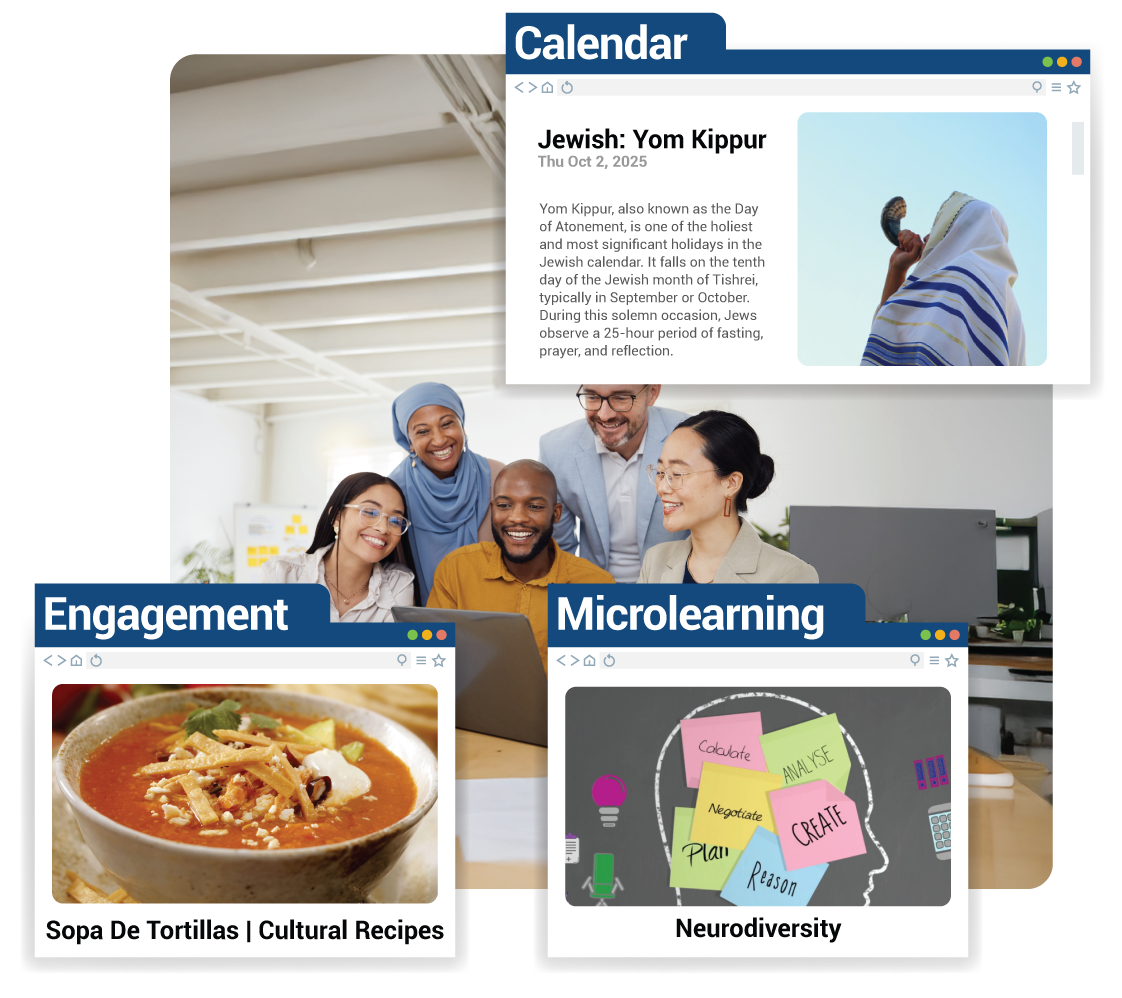
An HR calendar is a strategic tool that helps Human Resources teams track and plan key dates throughout the year. These include public holidays, cultural events, religious holidays, employee milestones, compliance deadlines, and company-wide activities like training sessions or team-building exercises. An HR calendar 2025 can also act as a roadmap to ensure inclusive workplace practices are embedded in your organization’s culture.
Why an HR Calendar 2025 Is Essential
The workplace is evolving, with greater emphasis on employee well-being and inclusion. Here are a few reasons why an HR calendar 2025 is indispensable:
Building Inclusion
By incorporating religious and cultural observances into your HR calendar 2025, employees feel valued and respected. For example, observing Ramadan, Diwali, or Lunar New Year demonstrates awareness of your team’s diversity.
Avoiding Scheduling Conflicts
Planning around key dates, such as blackout periods for major religious holidays, helps avoid conflicts in project deadlines and ensures everyone’s availability.
Boosting Employee Morale
Celebrating milestones, such as work anniversaries or Employee Appreciation Day, boosts team spirit and engagement.
Compliance and Reporting
Stay ahead of legal deadlines, like payroll and tax filings, ensuring your HR processes remain compliant.
Key Dates to Include in Your HR Calendar 2025
When building your HR calendar for 2025, ensure it includes the following types of events:
Public Holidays: Recognize national holidays in the countries where your teams operate.
Religious Observances: Include events like Easter, Eid al-Fitr, Rosh Hashanah, and Vaisakhi. Our Diversity Calendar offers an extensive list of these dates, including their significance and workplace impact.
Employee-Centric Events: Days like International Women’s Day (March 8) or World Mental Health Day (October 10) provide opportunities to focus on inclusion and well-being.
Compliance Deadlines: Mark critical dates for HR processes, such as open enrollment periods for benefits and annual performance reviews.
Company Events: Include training sessions, diversity workshops, and team-building activities to keep your employees engaged and aligned with your company’s goals.
Building an Inclusive Workplace in 2025
Using a comprehensive HR calendar 2025 allows organizations to anticipate challenges, proactively address employee needs, and align company goals with important cultural and workplace milestones. This forward-looking approach is vital for cultivating a workplace culture that values both individual contributions and team achievements.
An HR calendar 2025 is more than just a planning tool – it’s a step toward building a workplace where employees feel seen and appreciated. As you map out your HR calendar 2025, consider leveraging tools like our Diversity Calendar to ensure your organization stays ahead in creating a culture of inclusion.