
Facebook Pixel

SHRM Inclusion: Insights on the Future of DEI 2025

The SHRM Inclusion 2024 conference in Denver provided valuable insights into the evolving landscape of diversity, equity, and inclusion (DEI). With a theme centered on Inclusion and an emphasis on civility, the event took place against the backdrop of the US presidential election, where discussions on maintaining civility were timely and essential.

Key Themes and Takeaways from SHRM Inclusion

1. Middle Management Buy-In Remains a Challenge
While top-level executives often support DEI initiatives, gaining commitment from middle managers continues to be difficult. Many attendees pointed out that middle managers are cautious, balancing career aspirations and heavy workloads, which limits their engagement in DEI efforts. This highlights a pressing need for tools and strategies that make participation simpler and more aligned with their responsibilities.

2. Moving Beyond Surface-Level DEI Initiatives
Companies that started DEI programs in 2020 as PR responses or damage control are now seeing the genuine benefits of diversity on hiring, retention, and engagement. This has prompted a shift towards more meaningful and embedded DEI practices. Organizations are recognizing that impactful DEI work goes beyond checkbox activities – it requires thoughtful integration into company culture.

3. Renewed Focus on ERGs/BRGs
Employee Resource Groups (ERGs) and Business Resource Groups (BRGs) emerged as a focal point for many. Companies are prioritizing the establishment or expansion of these groups to boost culture and retention. ERGs are also seen as vital for mentorship and career development, contributing to a more inclusive workplace.
4. Rebranding and Adjusting DEI Strategies
Given the potential impact of political changes, some organizations, especially government bodies, are contemplating rebranding their DEI efforts and titles. This approach could help navigate shifts in public perception and maintain momentum in inclusion work. For companies focused on adaptability, exploring how to effectively communicate DEI without polarizing language is becoming a strategic necessity.

5. Equity and Justice as Priorities
Many attendees expressed disappointment over SHRM’s decision to exclude “Equity” from its DEI framework. Advocates for a more activist and socially conscious approach emphasized that equity and justice are indispensable components of meaningful DEI work. Areas such as pay equity, political advocacy, and environmental partnerships are becoming prominent focuses for these professionals.

Looking Ahead to 2025

As we approach 2025, DEI strategies are set to become more integrated, data-driven, and holistic. The push for genuine, embedded initiatives rather than performative actions will shape the future of workplace inclusion. Supporting middle management, investing in ERGs, and emphasizing equity will be key areas of focus for DEI leaders aiming to build resilient and inclusive organizations.

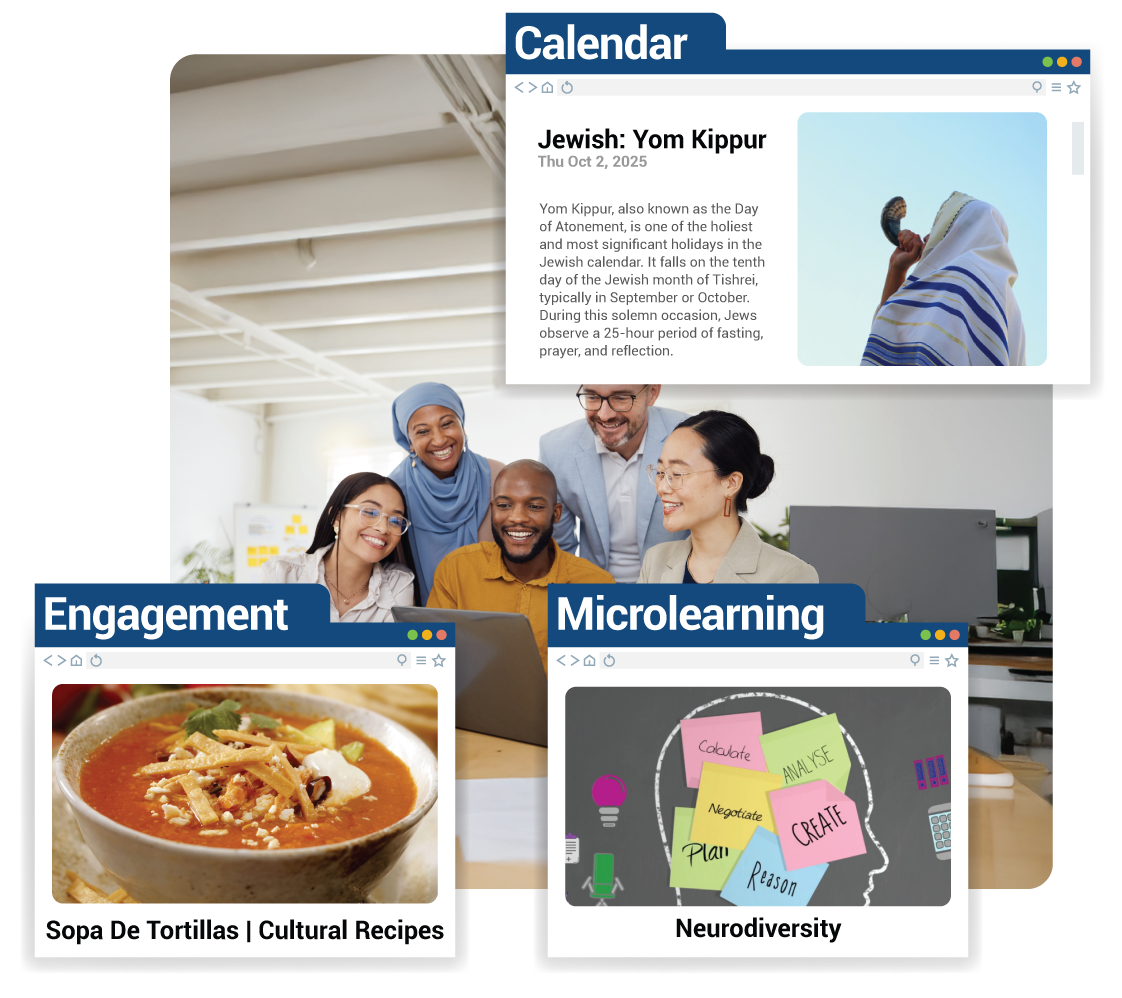
Organizations looking to stay ahead should prioritize resources that align with these evolving needs, ensuring that inclusion efforts are both meaningful and sustainable. Our Diversity Calendar is designed to support these efforts by providing comprehensive, relevant content that helps integrate inclusion into daily practices, making it easier for leaders and employees to stay informed and engaged year-round.


How Inclusion Can Improve Your Business

Inclusion has become a hot topic in recent years, but it’s more than just a trendy buzzword. Embracing inclusion can genuinely improve your business in unexpected ways. It’s not just about boosting morale – it directly affects your bottom line, work culture, and brand reputation. Let’s break down how.

The Business Benefits

1. Attracts Top Talent

One of the first places you’ll notice the benefits of an inclusive environment is in your recruitment process. Today’s workforce, particularly millennials and Gen Z, places a high value on workplace diversity and inclusion. By creating an inclusive culture, you’re not just widening your talent pool – you’re becoming a place where people want to work.

When employees see themselves reflected in a company’s leadership or feel confident that their backgrounds and perspectives are welcomed, they’re more likely to apply and stay long-term. This means less turnover, reduced hiring costs, and a workforce that’s motivated to give their best.

2. Drives Innovation

Bringing together people from different backgrounds, with varied life experiences, creates an environment ripe for creativity and fresh ideas. When everyone is encouraged to share their perspectives, businesses benefit from innovative solutions that a more homogenous team might overlook. Inclusion pushes the boundaries of groupthink and opens doors to new strategies.

For example, in product development, a diverse team can bring ideas to the table that appeal to a wider audience. A company focused on inclusion is better positioned to understand and meet the needs of an increasingly diverse customer base.

3. Boosts Employee Engagement and Productivity

Feeling valued is a key motivator for employees. When your staff knows they are seen and heard, they become more engaged. People who feel included at work tend to be more productive and less likely to experience burnout. An easy way to do this is through an employee engagement calendar 2025.

Inclusion isn’t just about giving people a seat at the table – it’s about making sure that when they’re there, their voice matters. Inclusive leadership ensures that contributions from all employees are taken seriously. When team members believe their input makes a difference, they’re more invested in their work.

4. Improves Customer Relations

Your customers are diverse, and if your business can’t relate to or understand their needs, you’re missing out on a huge opportunity. By ensuring your team reflects your customer base, you’re more likely to resonate with a wider audience.

Inclusion in your business strategy helps you better understand different customer groups, identify untapped markets, and offer products or services that appeal to them. It’s not just about having a diverse team, but also about leveraging that diversity to build stronger, more authentic connections with customers.

5. Enhances Your Company’s Reputation

Word travels fast, and having a reputation as an inclusive employer can significantly boost your brand’s image. Consumers, partners, and potential employees are paying attention to how companies treat their people. In fact, many people are willing to support or invest in brands that are committed to DEI principles.

An inclusive culture speaks volumes about your business values, and in a marketplace that’s becoming more socially conscious, this can be a differentiator. When you demonstrate that your company values all people – regardless of race, gender, disability, or background – you build loyalty and trust, both internally and externally.

6. Supports Long-Term Growth

An inclusive culture isn’t just a short-term fix. It lays the foundation for long-term success. Inclusion creates a sense of belonging, and businesses that build a strong culture of belonging are more likely to see sustainable growth. Employees who feel like they can bring their whole selves to work without fear of discrimination or judgment are more likely to be loyal, committed, and ready to grow with the company.

This kind of environment encourages career development, upskilling, and retention, all of which are critical to the long-term health of a business.

Inclusion Isn’t Just the Right Thing – It’s the Smart Thing

It’s easy to look at inclusion as a nice-to-have, but it’s much more than that. Creating an inclusive environment isn’t just about being socially responsible; it’s about being business-savvy. It brings tangible benefits to your company: better talent, increased innovation, stronger customer relations, and long-term growth.

Inclusion can transform your business from the inside out. And as companies across industries continue to see the advantages, it’s clear: inclusion is not just the future – it’s a necessity for success today.

If you’re looking to start or enhance your company’s journey toward inclusivity, our Diversity Calendar can help. It highlights cultural, religious, and identity-based events and offers many inclusion resources, giving your team the tools they need to foster a truly inclusive workplace.

The Cost of Not Being Inclusive

Explore real-world examples of how exclusion can damage a brand, and learn why inclusion is essential for long-term business success.

In 2018, Papa John’s, one of the largest pizza chains in the U.S., took a major hit. Their former CEO, John Schnatter, used a racial slur on a conference call, sparking outrage across the nation. The consequences were swift and severe –Papa John’s lost millions in revenue, with stores closing and customers turning away from the brand. This isn’t just a story about one company’s fall from grace; it’s a reminder of the very real cost of not being inclusive.

The Hidden Price Tag on Exclusion

When companies fail to prioritize inclusion, they pay more than just the price of bad PR. Inclusion isn’t just a buzzword – it’s about building trust and loyalty and creating a workplace where everyone feels valued. When that trust is broken, the financial fallout can be devastating.

In Papa John’s case, the company’s sales dropped nearly 10% in the months following Schnatter’s comments. They lost partnerships with major sports leagues, and the company’s brand took a massive hit, tarnishing a legacy built over decades. Customers, employees, and stakeholders no longer wanted to associate with a brand they perceived as exclusionary.

This isn’t an isolated case. In 2020, CrossFit’s CEO Greg Glassman made insensitive remarks about the Black Lives Matter movement, resulting in the company losing major sponsorships, partnerships with Reebok, and the support of its own community. CrossFit affiliates around the world severed ties, and within days, Glassman was forced to resign.

Losing Trust: A Slippery Slope

The cost of exclusion isn’t just about immediate financial losses. It’s about losing something far more valuable: trust. When customers, employees, or the public see a company as lacking inclusivity, that trust is hard to regain. People want to feel like they belong, and they expect the brands they support to uphold values of respect and inclusion. When those values are violated, customers often take their loyalty – and their dollars – elsewhere.

Trust is also crucial within organizations. If employees feel like their voices don’t matter, or that leadership doesn’t care about diversity and inclusion, engagement plummets. This can result in higher turnover, lower productivity, and difficulty attracting top talent. The best companies today are those where employees feel seen, heard, and valued – something that directly correlates with higher performance and profitability.

The Ripple Effect on Brand Reputation

One of the most challenging aspects of a reputation crisis is that it ripples out, often affecting relationships that businesses have spent years cultivating. Consider Starbucks. In 2018, the company faced backlash when two Black men were arrested in a Philadelphia store simply for sitting at a table without ordering. The incident triggered protests and calls for boycotts, prompting Starbucks to close 8,000 stores nationwide for racial bias training. While the move helped salvage some of their reputation, the incident highlighted the deep and lasting damage exclusionary practices can cause.

Inclusion isn’t just about being politically correct; it’s about survival. In an increasingly global and diverse world, companies that fail to create inclusive environments are setting themselves up for failure. Whether through loss of business, bad publicity, or legal consequences, the price tag on exclusion can be staggering.

The Opportunity in Inclusion

On the flip side, companies that prioritize inclusion see direct financial benefits. According to research by McKinsey, companies in the top quartile for gender diversity are 25% more likely to outperform their peers. Those with higher ethnic diversity outperform competitors by 36%. These aren’t just feel-good stats; they translate to dollars and cents. Diverse teams bring more creativity, better problem-solving, and a wider understanding of customer needs.

One example of this is Ben & Jerry’s, a company that has consistently championed social causes, including LGBTQ+ rights, racial justice, and climate change. Their commitment to inclusivity hasn’t hurt their bottom line – in fact, it’s helped solidify them as a beloved brand with a loyal customer base. Consumers feel good about supporting a company that aligns with their values, and it shows in Ben & Jerry’s continued growth.

Inclusion as a Business Imperative

The takeaway is clear: inclusion isn’t optional. The cost of not being inclusive can be measured in dollars, lost trust, and damaged reputations. But beyond that, it’s about building a sustainable business that can thrive in today’s world. As consumers and employees become increasingly aware of issues like diversity and inclusion, they’re demanding more from the companies they engage with. For businesses, this is a wake-up call. Inclusion isn’t just the right thing to do – it’s the smart thing to do.

The cost of exclusion is steep, but the rewards of inclusion? They’re limitless. Don’t let exclusion cost your business. Start creating an inclusive culture with our Online Inclusion Calendar to help you stay informed and engaged all year long.

DEI Initiatives: Leveling Up Your Approach for Lasting Change

Learn how to level up your DEI initiatives from reactive to transformative with strategies that embed it into the core of your organization.

Diversity, Equity, and Inclusion (DEI) have taken a more central role in recent years. Many organizations have started adopting and integrating DEI initiatives in various ways, whether it’s appointing a Chief Diversity Officer (CDO), conducting internal or third-party demographic audits, repositioning strategy, reexamining language, or increasing support for Employee Resource Groups (ERGs).

However, just as identity is not as simple as one category or another, DEI is not as simple as having a program or not. Below, we’ve outlined several ways an organization can be classified, from Level 1 to Level 4, based on its DEI practices.

Levels of DEI Initiatives

Level 1: Reaction
Reactive DEI refers to actions taken to amend or fix an existing issue, such as backlash, regulatory pressure, public scrutiny, or even a lawsuit. Many organizations have engaged in reactive DEI in recent years due to the widespread awakening to longstanding systemic inequities. Reactive DEI isn’t necessarily negative; it’s just a starting point. Taking the first steps to improve for your people and the communities you serve is commendable, but it’s important to recognize that much work remains at this stage.

Level 2: Compliance
Compliant DEI policies adhere to guidelines set by regulatory agencies, other organizations, or cultural consensus. Compliance keeps the organization one step ahead of potential issues, being proactive rather than reactive. While it ensures that “the boxes are ticked,” it often represents the bare minimum rather than a commitment to driving real change. Compliance is necessary but can always be built upon for deeper impact.

Level 3: Strategy
A strategic DEI approach seeks to tackle inequity head-on, fearlessly examining structures and conventions to align DEI values with the organization’s broader mission. Strategic DEI is thoughtful and tactical, involving plans to go beyond expectations and truly champion diversity in ways that are sustainable and meaningful for the organization. An inclusive HR calendar 2025 is one of the best ways to achieve that.

Level 4: Transformation
Transformative DEI initiatives reach beyond policies to fully infuse diversity, equity, inclusion, and belonging throughout the organization. A transformative DEI culture continuously involves all members, respecting and celebrating their diverse identities. This level of DEI is sustainable and adaptive because it’s not just a set of policies—it’s a deeply rooted culture.

Making Lasting Change

DEI is not a one-time task; it’s a journey. Organizations can help drive this journey, moving communities from ignorance and misconception to understanding, celebration, and true belonging. To help guide and enhance your DEI initiatives, check out our comprehensive and thoughtfully curated Diversity Calendar. Upgrade your approach and create lasting change.

Controversial Discussion Topics in a Diverse Workplace

Learn strategies for handling controversial discussion topics in a diverse workplace, ensuring inclusivity, understanding, and support.

The rise of the internet and social media has dramatically changed the way people talk about current events. People now have more freedom and platforms to express themselves and support their causes in ways that reach wider audiences than ever before. Access to news, information, and the ability to do their own research has also greatly improved with digital and mobile technology. However, this increased connectivity also applies to divisive and controversial discussion topics, from domestic cultural debates to global affairs.

In a diverse workplace, people may find themselves on different sides of an issue. Navigating these situations can be challenging, but ignoring them is often impossible as the impact of these debates is felt across supply chains, media, politics, and pop culture. Water-cooler conversations and social media trends will happen. Here are some general tips for handling controversial discussion topics when they arise.

Tips for Handling Controversial Discussion Topics

Understand the Nuance

Although political winds may blow in one direction or another, it’s important to remember that a diverse workforce will have complex ties to global events. While three employees might feel one way about an issue, a fourth might have a completely different perspective. Signaling support for one group can inadvertently alienate others. Recognizing this nuance is key to maintaining an inclusive workplace environment.

Get Ahead of the Conversation

Some topics, like election results or international conflicts, can become the proverbial ‘elephant in the room,’ especially for employees personally affected by them. Emotions may run high soon after these events are in the news. Employees may hear updates during their commute or on social media breaks. Leaders can preempt disruption by neutrally acknowledging these events and gently discouraging in-depth controversial discussion topics during the workday. Remind employees that support and accommodations are available through the appropriate channels if needed.

Center the Person

While it’s important to keep inflammatory language out of the workplace, this doesn’t mean pretending nothing is happening. Leadership should focus on honoring employees’ personal experiences without weighing in on the topics themselves. This balance is about ensuring there’s enough support for those affected by crises, using private and appropriate measures. Many of the same approaches for mental health and wellness can apply here: offering time and space for religious or spiritual needs, meditation, decompression breaks, or self-care practices is a good place to start.

Take Action on Principles

Sometimes, tension can flare up in the workplace. While professionalism is generally expected, there may be moments when someone overhears or sees something they find harmful. When this happens, it’s crucial to handle the situation with DEI principles in mind. If an employee’s behavior needs to be addressed, focus on the values and expectations that were violated, not the opinions they hold or the side they are on.

The last few years have been marked by intense change and heightened division, making it even more important to find balance and cohesion during controversial discussion topics through strong values, culture, and steady leadership.

Create a Culture of Daily Inclusion

Managing controversial discussion topics in the workplace is just one aspect of creating a truly inclusive environment. Our Diversity Calendar can help your organization take consistent action towards inclusion every day. Sign up for a free trial today and explore how it can support your team in navigating DEI challenges year-round.

Inclusive Practices for Remote Teams

Learn how to implement inclusive practices in remote teams to promote diversity, break down silos, and support mental health.

The work landscape has changed dramatically in the last few years, driven by the upheaval of the COVID-19 pandemic and advances in workplace technology. Although the pandemic is no longer disrupting jobs to the same extent, these shifts have had lasting effects. Research shows that eight in ten workers now have jobs that are either hybrid or fully remote.

Remote work offers many potential benefits, including flexibility, adaptability, and relief from the demands of long commutes. However, it also introduces new challenges, especially when it comes to hiring and managing a diverse and inclusive team. To overcome these challenges, organizations must adopt intentional, inclusive practices in their remote work strategies.

Inclusive Practices to Foster in Remote Teams

Promote diverse values through your media
Ensure that your company’s newsletter, website, blog, and other communications honor different cultural backgrounds. Our Diversity Calendar is an effective tool to stay up to date and strengthen your inclusive practices. This not only creates a sense of community and belonging within your team, but also signals to prospective candidates that they will be valued and treated as individuals when they join.

Tap into networks that prioritize diversity
Instead of recruiting talent solely from your existing circles, actively seek out networks that support people from diverse backgrounds. Online platforms are home to communities built around shared identities and skills, making them prime sources of diverse talent. Inclusive practices in hiring will ensure a broader, richer candidate pool.

Maintain consistency in your processes
One challenge of remote and hybrid work is the lack of a physical office space to anchor daily routines. This can lead to inconsistent practices, especially in hiring and onboarding. Make sure each new hire goes through a consistent onboarding process and receives the right level of coaching and support. Mentorship connections can help ensure that new hires feel included and supported from day one.

Break down silos
In remote work environments, it’s common for people to stick to familiar groups, limiting interaction with others. These silos can stall progress towards building a diverse and inclusive team. Encourage work processes or virtual events that bring colleagues together who might not typically interact, building stronger connections and a more inclusive community within your organization.

Don’t let disability and mental health go unnoticed
Disabilities may be less visible in remote or hybrid teams, but that doesn’t mean they disappear. It’s essential to ensure that employees with disabilities receive the same level of respect and support they would in an office environment. Regular check-ins on your team’s mental health and wellness are crucial to keeping everyone engaged. This is even more important in remote settings, where burnout or personal struggles might be harder to notice through digital interactions.

Why It Matters for Remote Work Success

Hybrid and remote work can help build a diverse and successful team, but only if leaders prioritize inclusive practices. By leveraging the flexibility of online work and using digital tools to build individualized communication, leaders can drive diversity, equity, inclusion, and belonging in powerful new ways. However, it’s essential to continuously adapt hiring and management practices to ensure remote work doesn’t reverse progress.

Ready to take your inclusive practices to the next level? Explore our Diversity Calendar to stay updated on cultural and religious observances and enhance your DEI efforts today!

Inclusive Design in the Workplace

Discover how inclusive design in the workplace enhances accessibility, supports neurodiverse employees, and fosters well-being.

An often-overlooked way to create a truly inclusive workplace is by focusing on the physical design of the environment itself. The layout and features of a workspace can significantly impact an employee’s experience and engagement. There’s no one-size-fits-all approach to designing an inclusive workplace, but leaders should aim to balance the varying needs of their team, considering what elements are necessary, possible, and practical for their office space.

Spaces with Inclusive Design

The Americans with Disabilities Act (ADA) set foundational standards for businesses to accommodate physical disabilities, but these should be seen as the baseline, not the end goal. Rather than simply making spaces accessible, management should strive for truly inclusive design. For example, wide ramps throughout the office not only accommodate those with physical disabilities but also create a natural flow for everyone, encouraging interaction and making the space feel cohesive.

While open office designs have gained popularity for building collaboration, they can have limitations. It’s important to recognize that inclusivity in design means balancing open spaces with private, quiet areas where employees can focus or recharge.

Cognitive Inclusivity

When considering inclusive design, organizations have traditionally focused on physical accessibility, often overlooking cognitive diversity. It’s equally important to design spaces that support employees with intellectual disabilities, neurodiverse conditions, and diverse cognitive needs. For instance, consider employees on the autism spectrum who may have sensitivities to lighting, noise, and social dynamics. An environment with harsh lighting, constant noise, and no space for focused work can negatively impact their productivity and well-being.

To create cognitive inclusivity, design quieter spaces with soft lighting and reduced noise levels. These areas should be free from distractions and offer a more serene environment for those who need it. Going a step further, consider amenities for service or emotional support animals, which can provide comfort to employees who need them.

Emotional and Spiritual Support

As the stigma around mental health continues to diminish, more employees are openly discussing their challenges. Many deal with anxiety, depression, PTSD, or mood disorders, making it essential for workplaces to offer spaces that support mental well-being. Providing areas for employees to take a break, decompress, or practice self-care can greatly improve their overall productivity and well-being. Some companies are installing designated pods or quiet areas for employees to recharge when feeling stressed or burned out.

Equally important is supporting employees’ spiritual needs. Offering dedicated spaces for prayer, meditation, or reflection allows employees to practice their beliefs without it conflicting with work, creating a more inclusive and supportive environment.

General Inclusive Design

Not all inclusive design elements need to cater to specific needs. Prioritizing well-being in the workplace benefits everyone. Features like natural light, better air quality, and quiet workspaces help create a more comfortable and productive environment for all employees. Natural lighting is often one of the most desired features in office spaces. If windows aren’t an option, consider LED lights that mimic natural light, and incorporate earthy elements like plants or natural materials to promote a calm, inspiring atmosphere.

Inclusive design doesn’t stop with recruitment—it extends into creating an environment where every employee can thrive. By thoughtfully designing spaces that prioritize employees’ diverse needs, you’re building a foundation for long-term success and inclusion.

Want to explore more ways to foster inclusive design and create an environment where everyone feels supported? Our Diversity Calendar can help you plan for culturally and identity-based events throughout the year and guide your efforts toward creating a more inclusive workplace. Start your free trial today!

Neurodiversity in the Workplace

Learn how embracing neurodiversity in the workplace can unlock unique strengths in individuals with ASD, ADHD, dyslexia, and more.

Over the last few decades, psychologists and social movements have developed a more progressive understanding of the ways we think and function differently. The term “Neurodiversity” was coined in the 1990s to shift the conversation around certain conditions from focusing on weaknesses to recognizing different cognitive styles.

This paradigm shift, though relatively young, has broken down barriers and opened up a more inclusive way to discuss different types of minds, without labeling them as “wrong.” Instead, neurodiversity represents different ways of cognitive functioning—much like how we all have unique voices.

This blog will review three common types of neurodiversity in the workplace and how to be inclusive, as well as highlight the unique strengths that these individuals often bring to the workplace.

Types of Neurodiversity in the Workplace

Autism Spectrum Disorder (ASD)

People with Autism Spectrum Disorder (ASD) exhibit a range of traits, including differences in social interaction, communication, and language. They are often known for their ‘special interests’—topics they are deeply passionate about and highly knowledgeable about. While ASD is more commonly recognized in men, psychologists increasingly acknowledge that autism is underdiagnosed in women.

ASD is a spectrum, encompassing a wide range of cognitive experiences. It includes general autism as well as sensory processing disorders. While terms like “Asperger’s Syndrome” are now considered outdated, they once referred to a specific type of autism.

Employees with ASD bring unique strengths that can sometimes be overlooked. For example, individuals with Sensory Processing Disorder might excel in creative tasks involving visuals and sound, as they are often highly attuned to their environment. Additionally, many people with ASD find comfort in routines and structure, making them highly organized and punctual. Collaborating with them to establish a consistent workflow can optimize productivity.

Attention-Deficit/Hyperactivity Disorder (ADHD)

Attention-Deficit/Hyperactivity Disorder (ADHD) is another type of neurodiversity in the workplace, characterized by differences in executive functioning, memory, and concentration. There are several subtypes of ADHD, including inattentive, hyperactive, and a combined type. People with ADHD often respond strongly to stimuli, shifting focus more quickly than those without the condition. They thrive on change and novelty but may lose interest if a task or environment isn’t stimulating enough.

While some individuals with ADHD use medication to manage symptoms, employers can unlock their potential by creating a flexible structure. With the right environment, people with ADHD can be highly creative, innovative, and passionate contributors.

Dyslexia

Dyslexia affects how people process words and language, particularly in reading and writing. This can result in challenges with spelling and pronunciation. However, many people with dyslexia have unique communication skills and take creative approaches to problem-solving. Providing assistive technologies, such as text-to-speech tools, can help them thrive in the workplace.

Fostering Inclusivity for Neurodiversity

This is not an exhaustive list of types of neurodiversity in the workplace, but it introduces some of the most common forms. As every individual has different needs, the first step in promoting inclusivity is understanding. Deepening your DEI strategy should always begin with respectful conversation.

Terms like “neurodivergent” and “neurodiverse” are widely considered appropriate, but it’s important to ask individuals how they prefer to be identified. Formal language may use “disorder” when discussing neurodiversity, but some may find this term uncomfortable. Ultimately, the key is to listen and respect how people wish to be referred to, acknowledging that no cognitive style is “right,” just as no body type is “right.”

Ready to take the next step in fostering inclusivity for neurodiversity in the workplace? Explore our Diversity Calendar to stay informed about key dates and learn more about how you can build a more inclusive workplace.

DEI Cuts: A Costly Gamble

The University of North Carolina System’s recent DEI cuts decision to eliminate DEI offices might seem like a budget-saving measure, but the long-term risks are significant. DEI initiatives act as safeguards—like seatbelts or smoke alarms. By cutting these programs, institutions risk exposing themselves to workplace discrimination, decreased morale, and lawsuits.

Take the Case of Bon Appétit

In 2020, Bon Appétit faced backlash over its lack of diversity, leading to the resignation of its Editor-in-Chief Adam Rapoport. The company’s mishandling of DEI issues resulted in reputational damage, with public criticism forcing it into a reckoning. The magazine had to make major efforts to rebuild trust and repair its damaged brand.

Similarly, Publicis Groupe’s Tom Goodwin was ousted after controversial comments regarding the Black Lives Matter (BLM) movement, demonstrating the crucial role DEI plays in shaping organizational reputation.

The Value of DEI Programs

DEI programs are more than just symbolic efforts; they actively contribute to better business outcomes. Diverse teams are proven to be more creative, productive, and innovative. Additionally, supporting DEI helps reduce workplace tension, improve engagement, and enhance talent retention. Failing to maintain these initiatives can create toxic environments that breed turnover and discrimination claims.

The Risk of Reputational Damage

Eliminating DEI programs also exposes organizations to reputational risks. Today’s consumers and employees are more socially conscious and expect companies to reflect inclusive values. When DEI efforts are scaled back, customers and stakeholders take notice, which can lead to a loss of trust and loyalty.

Legal and Financial Exposure Amid DEI Cuts

Organizations without a DEI framework are vulnerable to legal challenges. Many companies have faced lawsuits for discriminatory practices. DEI helps mitigate these risks by fostering a culture of inclusion and respect. The cost of replacing employees in a toxic work environment can be steep, often doubling an employee’s salary. Over time, this can outweigh any immediate budget savings from cutting DEI.

The Hidden Costs of DEI Cuts

While cutting DEI may seem like a quick budget fix, the financial consequences are often greater in the long run. Companies that neglect DEI face lawsuits, high turnover, and disengagement, all of which are expensive outcomes.

Eliminating DEI programs might offer short-term savings, but it creates vulnerabilities that can lead to costly consequences down the road. Just as failing to install smoke alarms or wear seatbelts can result in future tragedies, cutting DEI initiatives leaves institutions exposed to risks like discrimination, lawsuits, and reputational harm.

Looking for a comprehensive tool to foster inclusivity in your organization? Our Diversity Calendar serves as a DEI hub, offering key cultural, religious, and identity-based resources to help you build awareness and create an inclusive workplace. Stay ahead of potential challenges and demonstrate your commitment to diversity and inclusion.

Race Vs Ethnicity Video

Subscribe to our YouTube Channel

Transcript:

Have you ever wondered what the difference is between race and ethnicity?

Race is about physical characteristics like skin color, hair texture, and facial features. It’s how society often categorizes people based on how they look.

For example, someone might be seen as Black, White, or Asian because on their physical traits.

Ethnicity, on the other hand, is all about cultural identity. It includes things like shared language, traditions, religion, and heritage.

So, someone might identify as Hispanic, Han Chinese, or Italian, reflecting their cultural background.

While race is more about physical traits, ethnicity connects us to our cultural roots and the practices of our ancestors.

Understanding these differences helps us appreciate diversity. Let’s celebrate both our physical uniqueness and our cultural heritage.

Be More Inclusive With the Diversity Calendar!

Unconscious Bias at Work Video

Subscribe to our YouTube Channel

Transcript:

Ever wonder why we sometimes judge people without even realizing it? Let’s talk about unconscious bias.

Unconscious bias is when our brains make quick judgments about people based on stereotypes or past experiences. It happens automatically, without us even knowing.

These hidden biases can affect how we see and treat others, from hiring decisions to everyday interactions.

For example, imagine seeing someone with tattoos and instantly thinking they’re unprofessional. That’s unconscious bias at work.

The good news? We can become aware of these biases and challenge them. It starts with recognizing that we all have them.

By learning about unconscious bias and actively working to counter it, we can create more inclusive, fair, and welcoming environments for everyone.

Be More Inclusive With the Diversity Calendar!

Neurotypical Vs Neurodivergent Video

Subscribe to our YouTube Channel

Transcript:

Have you ever heard the terms neurotypical and neurodivergent? Let’s break down what they mean.

Neurotypical people have brains that work in ways most of society expects. Think of it as the usual way of processing and understanding the world.

Neurodivergent people have brains that work differently. This includes conditions like autism, ADHD, dyslexia, and more. It’s just a different way of experiencing the world.

Neurodivergent individuals bring unique strengths and perspectives. They think, learn, and interact in their own amazing ways.

Creating inclusive environments where both neurotypical and neurodivergent individuals can thrive benefits everyone. It promotes understanding, acceptance, and the celebration of our diverse minds.

Be More Inclusive With the Diversity Calendar!

Sign In

Sign in to Diversity Resources