


Walmart’s decision to scale back its diversity, equity, and inclusion (DEI) programs is making waves, not just among activists but among its investors. A coalition of more than 30 shareholders, representing $266 billion in funds, has written to Walmart CEO Doug McMillon, demanding clarity on the company’s retreat from DEI initiatives.
The investors, organized by the Interfaith Center on Corporate Responsibility, expressed frustration, describing the move as “disheartening” and accusing Walmart of caving to “bullying and pressure from anti-DEI groups.” Among the shareholders are major names like Amalgamated Bank and the Dominican Sisters of Grand Rapids, who have been engaging with Walmart on DEI issues for over 30 years.
Investors Speak Out: “Inequity Is Bad for Business”
In their letter, the shareholders emphasized that DEI isn’t just a feel-good initiative; it’s a critical business strategy. Caroline Boden, director of shareholder advocacy at Mercy Investment Services, put it plainly:
“DEI initiatives aren’t just ‘nice to have,’ they are essential to breaking down the systemic inequities hindering our economy. Inequity is bad for business and, ultimately, investors.”
The group has called for direct discussions with Walmart’s leadership to better understand the rationale behind the policy change and to voice their concerns about the risks of moving away from DEI.

The Business Risks of Cutting DEI
Investors’ concerns aren’t unfounded. Scaling back DEI initiatives can pose significant risks for businesses:
Reputational Damage
Walmart’s move has already drawn negative attention from investors and stakeholders. DEI rollback sends a signal that the company isn’t prioritizing inclusivity, which can erode trust among employees, customers, and partners.
Investor Confidence
Shareholders have made it clear: DEI matters to them. They see it as a cornerstone of good governance and sustainable growth. Ignoring these concerns risks losing the confidence of those who fund the company’s success.
Economic Inequities Hurt Business
Systemic inequities, like discrimination in hiring, pay gaps, and unequal access to opportunities, aren’t just social issues – they’re business problems. Companies that actively work to address these challenges are better positioned for long-term success.
Employee Retention and Recruitment
DEI initiatives are a key driver of employee satisfaction and loyalty. Without them, companies risk higher turnover, disengaged employees, and struggles to attract top talent.
A Lesson for Other Companies
Walmart’s experience highlights a critical reality: DEI isn’t just a moral choice – it’s a business imperative. Backtracking on inclusion efforts may placate certain groups in the short term, but it risks alienating the very stakeholders who understand the value of DEI.
If your organization is looking for ways to meaningfully integrate DEI into your operations, start with simple, impactful steps. Our interactive Diversity Calendar is designed to help organizations celebrate cultural, religious, and identity-based observances while providing educational resources to deepen understanding.
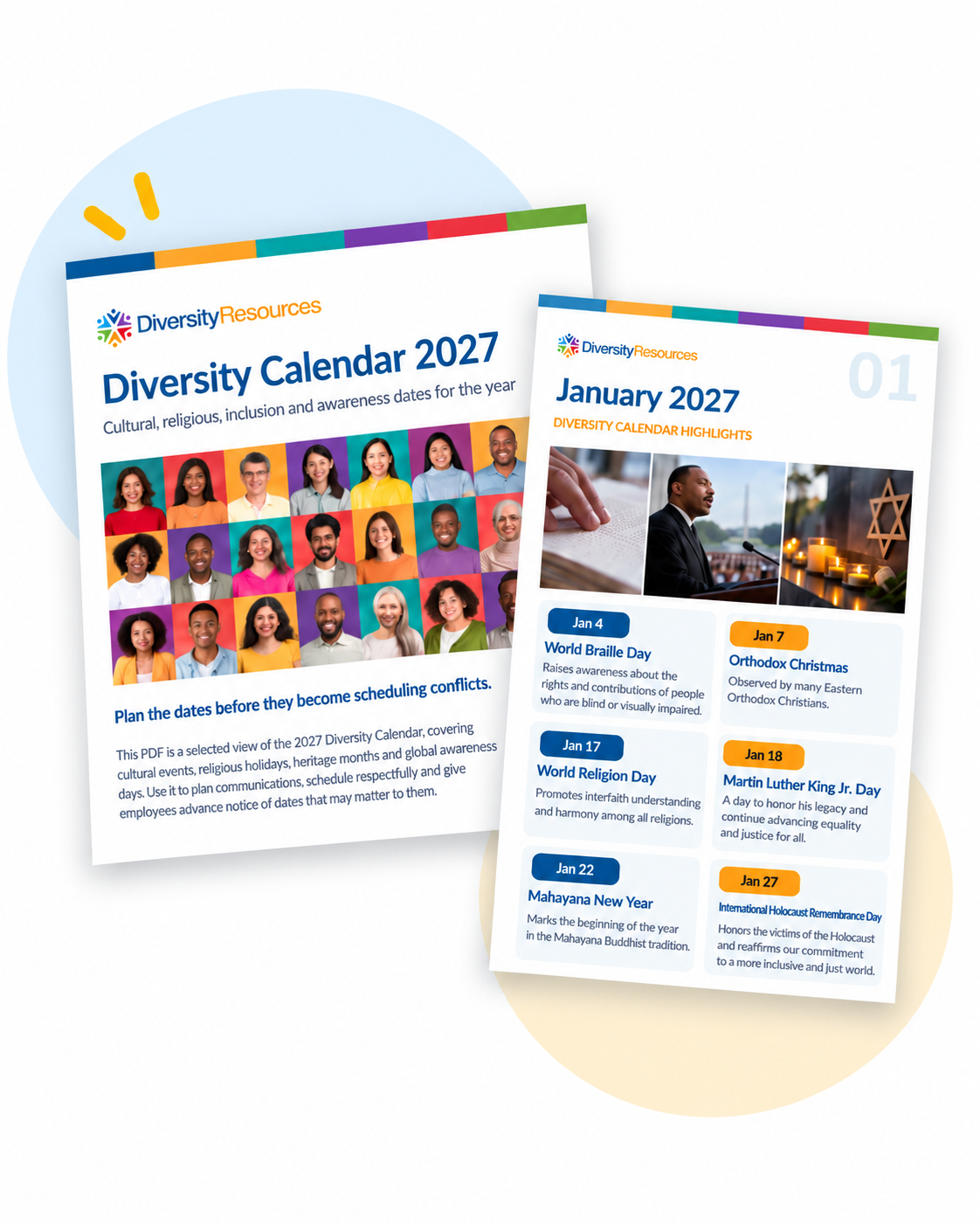

 12 months of selected dates
 Cultural + religious observances
 Heritage + awareness events