


Employee engagement is the cornerstone of a thriving organization. By creating a culture where employees feel valued and connected, companies can achieve higher productivity, stronger retention, and increased innovation. This guide explores how an employee engagement calendar can serve as a powerful tool to boost morale and drive results year-round.
Why Employee Engagement Matters
Engaged employees are emotionally committed to their work and their organization’s success. They consistently go above and beyond, bringing tangible benefits to their companies:
- Higher Productivity: Companies with engaged employees outperform competitors by over 200%
- Improved Retention: Disengaged employees are 12 times more likely to leave their jobs
- Increased Revenue: Formal engagement programs drive 26% higher annual revenue growth
Beyond the numbers, engagement creates a sense of purpose and belonging that makes workplaces more resilient and adaptive to change. This foundation is critical for thriving in 2025 and beyond.
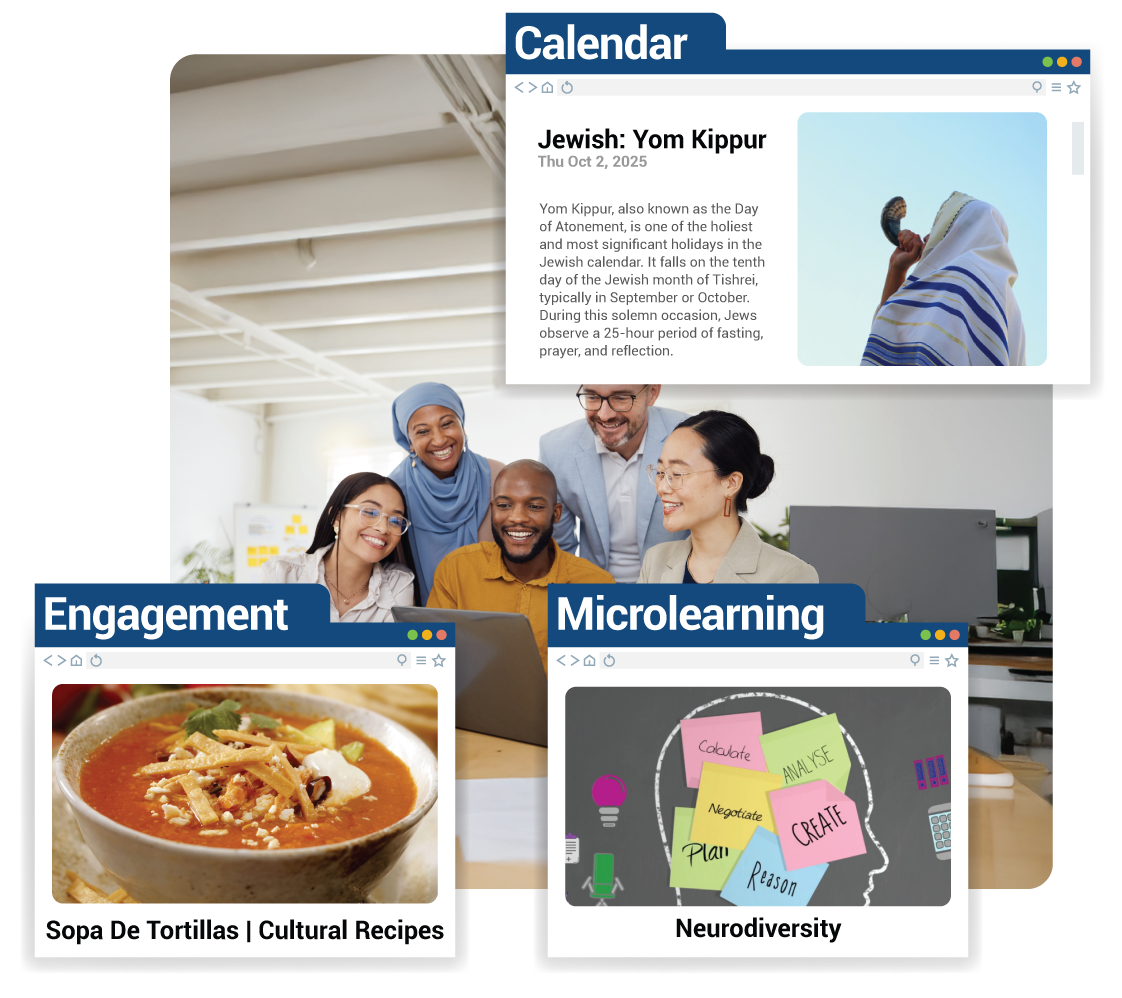
What is an Employee Engagement Calendar 2026?
An employee engagement calendar is more than just a collection of dates – it’s a framework for creating connection and motivation throughout the year. It aligns employee-centric activities with organizational goals to:
1. Celebrate inclusion through cultural events and awareness months
2. Encourage professional growth with learning opportunities and skill-building sessions
3. Foster wellness and balance through health initiatives and social activities
4. Strengthen community with team-building exercises and volunteer events
By integrating these elements, your calendar becomes a powerful tool for creating a positive, engaged workplace.
Benefits of Using an Employee Engagement Calendar
1. Increased Morale and Job Satisfaction
Planning regular activities and events that align with employees’ interests demonstrates your commitment to their well-being. This, in turn, boosts overall morale and job satisfaction.
2. Cultivating Inclusion
Including religious holidays, awareness months, and cultural celebrations ensures every employee feels represented and valued, creating a more inclusive workplace culture.
3. Better Work-Life Balance
When companies plan wellness initiatives and offer flexibility around events, it helps employees balance their professional and personal lives, reducing burnout.
4. Building Team Connections
Events like team-building exercises or volunteer days strengthen relationships across departments, promoting collaboration and trust.
5. Streamlined Planning
With a comprehensive calendar, HR teams can avoid last-minute scrambles to organize activities, making engagement efforts more effective and consistent.
Building a Robust Employee Engagement Calendar
Key Events by Month
Here’s a look at some of the 2026 events that should be part of your employee engagement calendar 2026 and what you can do to make them impactful:
January
- World Braille Day (January 4): Raise awareness about the importance of accessibility and inclusion for visually impaired individuals
- Holocaust Remembrance Day (January 27): Host a reflective session to honor victims and promote education on anti-Semitism and human rights
February
- Black History Month: Partner with Employee Resource Groups (ERGs) to host speaker events or historical exhibits
- World Cancer Day (February 4): Provide resources for health screenings and host a wellness seminar
- Lunar New Year (February 17): Celebrate with traditional foods, decorations, or educational activities to promote cultural awareness
- International Mother Language Day (February 21): Celebrate linguistic diversity with activities that honor employees’ native languages
March
- International Women’s Day (March 8): Host discussions and workshops spotlighting women leaders and gender equality
- Neurodiversity Celebration Week (March 16-20): Highlight the strengths of neurodiverse employees through educational sessions and storytelling
- International Day for the Elimination of Racial Discrimination (March 21): Host workshops and discussions to address racial inequity and promote diversity in the workplace
April
- Arab American Heritage Month: Host a cultural lunch-and-learn featuring guest speakers
- Stress Awareness Month: Provide resources on stress management and offer mindfulness workshops
- World Autism Awareness Day (April 2): Provide resources on autism inclusion and host workshops on creating supportive workplaces
May
- Mental Health Awareness Month: Promote wellness through mindfulness workshops or free meditation app subscriptions
- Asian American and Pacific Islander Heritage Month: Celebrate with cultural storytelling and team cooking classes
- Global Accessibility Awareness Day (May 15): Organize sessions on digital accessibility and inclusive design
June
- LGBTQ+ Pride Month: Host inclusive events such as pride parades or educational webinars on LGBTQ+ rights
- World Environment Day (June 5): Encourage employees to participate in local cleanup drives
- Juneteenth (June 19): Commemorate the emancipation of enslaved African Americans with educational events and cultural celebrations
July
- Disability Pride Month: Highlight achievements of employees with disabilities through storytelling and recognition
- Mandela Day (July 18): Organize volunteering activities inspired by Nelson Mandela’s legacy of social justice
- Global Day of Friendship (July 30): Encourage team-building activities that promote cross-cultural understanding
August
- International Day of Indigenous Peoples (August 9): Highlight Indigenous heritage and contributions through storytelling and cultural events
- World Humanitarian Day (August 19): Recognize humanitarian efforts and encourage participation in volunteer initiatives
- Women’s Equality Day (August 26): Host panels on gender equity and celebrate milestones in women’s rights
September
- Hispanic Heritage Month: Celebrate with cultural showcases and educational resources
- International Day of Peace (September 21): Organize a peace-building workshop or reflective event focused on global harmony
- International Day of Sign Languages (September 23): Highlight the importance of sign language as a means of communication and inclusion for the Deaf community through workshops or guest speakers
October
- Global Diversity Awareness Month: Host unconscious bias training and DEIB workshops
- World Mental Health Day (October 10): Offer resources for emotional well-being and host a mental health awareness event
- Indigenous Peoples’ Day (October 13): Celebrate Indigenous cultures through educational activities and guest speakers
November
- Native American Heritage Month: Acknowledge Indigenous contributions through educational sessions and field trips
- International Day for Tolerance (November 16): Promote diversity and inclusion with workshops and discussions
- International Day for the Elimination of Violence Against Women (November 25): Host workshops and discussions to raise awareness about gender-based violence and promote solutions for safer workplaces and communities
December
- International Day of Persons with Disabilities (December 3): Host events that focus on disability inclusion and accessibility in the workplace
- International Human Solidarity Day (December 20): Highlight the importance of global solidarity through team discussions and activities focused on unity and shared responsibility
- Kwanzaa (December 26 – January 1): Celebrate African heritage and culture with team events and cultural displays
Year-Round Engagement Strategies
In addition to planned events, continuous efforts can keep employees engaged throughout the year. Consider:
- Quarterly Town Halls: Keep employees informed and aligned with company goals
- Recognition Programs: Celebrate achievements regularly through peer nominations or manager-led shoutouts
- Wellness Challenges: Rotate themes like fitness, nutrition, or mindfulness to maintain excitement
- Learning Opportunities: Provide monthly lunch-and-learns or sponsor professional certifications
- Team Spotlights: Share stories of departments or teams to build cross-functional appreciation
Best Practices for Employee Engagement Activities
1. Inclusivity First: Ensure events reflect the diversity of your workforce
2. Hybrid-Friendly: Make activities accessible to both onsite and remote employees
3. Feedback Loop: Use surveys or focus groups to refine your calendar over time
4. Communicate Clearly: Promote events well in advance and provide all necessary details
5. Tie to Goals: Align activities with broader company objectives, like wellness or DEIB initiatives
Measuring the Impact of Engagement
Tracking success ensures your efforts are meaningful. Use these metrics:
- Participation Rates: Monitor attendance to identify popular activities
- Employee Sentiment: Conduct post-event surveys to gauge satisfaction
- Performance Metrics: Link engagement to KPIs like productivity or retention rates
- Feedback Trends: Analyze recurring themes to adapt future initiatives
Wrapping Up
An employee engagement calendar 2026 is a roadmap to a more connected, productive, and inclusive workplace. By incorporating diverse activities and creating a culture of recognition and wellness, you can create an environment where employees feel valued and motivated.
For those seeking inspiration and structure, sign up for a free trial of our interactive employee calendar. With detailed ideas and resources, it’s your ultimate companion for building engagement and driving success all year long.