Facebook Pixel

How to Call Out Racial Discrimination in the Workplace

Racism, rooted in prejudice or discrimination based on race or ethnicity, thrives on the false notion of human division. In reality, our genetic makeup is 99.99% identical, with the remaining 0.01% representing the beautiful differences between us, like race. This toxic ideology manifests in all parts of social life, from classrooms, to workplaces and beyond. Racial discrimination is any behavior that unfairly targets a group of people in the same racial group. For instance, during the COVID-19 pandemic, anti-Asian hate crimes increased by 339%.

Calling Out Racial Discrimination Successfully

While speaking up may feel scary or risky especially in the workplace, it’s the right thing to do. By taking action, you inspire others around you to do the same, resulting in a more accepting society where differences are embraced and not discriminated against.
Strategies for Initiating Change

The first step is to find like-minded colleagues that will help you raise the issue together. A collective voice for change strengthens your message and is harder to dismiss. Having safe spaces to bring up these emotional conversations will help give you the strength to fuel the steps you make to cause change.

Always take some time beforehand to get your emotions together. By framing your message, it will be more compelling and impactful and harder to ignore. Also, have suggestions for what changes can be made and how to implement those changes, which is particularly valuable in the workplace where immediate changes can be implemented By doing the ground work, you expedite progress without allowing room for delays.

When you want to compel others to act differently, it requires language that will resonate with them specifically. Effective communication is much more successful than arguing with them about racial equity.

Take a Stand for the Future

Remember that temporary uncomfortable feelings that lead to change are worth every moment. Be the change you want to see in the world everywhere you go and take a stand against racial discrimination. To learn more about important topics regarding race, explore our Online Diversity Calendar and Online Diversity Training.

FAQs

What are examples of discrimination in the workplace?

Some examples of harassment by managers or coworkers can occur because of many things including race, ethnicity, faith, gender, gender identity, sexual orientation, age, disability, or even a medical condition. Denial of a workplace change that is needed for religious reasons is discrimination. Retaliation because someone reported discrimination is also illegal.

How do you deal with prejudice in the workplace?

When an employee feels as if they are being discriminated against, immediate action should be taken. Anti-discrimination policies should focus on a zero-tolerance policy for harassment. Having these clear procedures established helps leadership to have a plan of action if it occurs. Educating your employees about discrimination is also important.

What is it called when your manager treats you unfairly?

Adverse treatment occurs when an employer is treating you unfairly as compared to others. Protected classes in Title VII of the Civil Rights Act of 1964 include race, color, religion, sex, national origin, age, disability, and genetic information. Profiling employees based on these things is considered unfair treatment. Employers risk lawsuits for acting in this manner toward an employee or a specific group of people in their workplace.

Supporting Mental Health in the Workplace

The World Health Organization reports that one in five adults in the United States experience mental health conditions. While this statistic may seem alarming, addressing mental health in the workplace is often ignored. It is an issue that significantly affects the workplace – around 12 billion working days are lost globally every year to depression and anxiety, costing US$ 1 trillion per year in lost productivity.

Think about it, the world is in turmoil. There are racial justice protests, increased incidences of racial violence, and hate crimes. While your commitment to having a diverse and inclusive workplace is important, it’s just as crucial to help your employees feel supported in these trying times.

This blog will help you learn effective ways to promote better well-being in a diverse and inclusive workplace and help employees deal with these daily challenges.

Tips for Supporting Mental Health in the Workplace

There are many ways to create a safe space for employees to feel supported at work.

1. Give employees access to valuable resources.

This creates a support system for sharing these resources and helps reduce the stigma associated with talking about mental health conditions. Additionally, ensure that managers and senior team members receive relevant training on how to approach employees facing these challenges.

2. Include Mental Wellness in Employee Benefits

Consider including confidential access to therapists or psychiatrists in your employees’ insurance policies. This will help them to afford these necessary services. Also, create confidential employee support groups where they can talk freely about how they’re feeling without worrying about judgment.

3. Promote a healthy work/life balance.

Offering flexible work hours or remote work opportunities can be especially beneficial for employees who may struggle on certain days. When employees feel valued and supported, they will be happier and more productive.

Create a Positive Change in Your Workplace

Leadership should be asking important questions involving the workforce, such as how you foster DEI in your business, and how you are engaging or receiving employee feedback. All of these factors impact the mental health in the workplace, especially those from diverse backgrounds. Regularly considering how you can improve the mental health of your diverse employees will help your entire staff to thrive.

FAQs

How Is Mental Health Affected by Inclusion?

Mental health and inclusion are closely connected, as employees from diverse backgrounds can face microaggressions, lack of representation, and unconscious bias. These stressors can significantly impact their mental health.

How can we successfully work toward creating a supportive inclusive environment for mental health?

Create a safe space where employees can openly discuss their challenges without fear of being judged. By creating a nurturing environment, they will feel comfortable not only seeking support but also finding strength in sharing their personal experiences together.

How can you support a diverse and inclusive workplace?

It’s important to talk openly about microaggressions and unconscious bias. Consider implementing employee training that teaches them about the harmful effects of both.. Acknowledge holidays of all cultures and religions, creating a workplace that enjoys celebrating all people and learning about other cultures.

Ready to enhance diversity in your workplace? Try out our Diversity Calendar for inclusive events and register for our Online Diversity Training today to foster an equitable and inclusive environment.

Black Lives Matter: How DEI Has and Hasn’t Changed

George Floyd was murdered on May 25, 2020, resulting in an immense response worldwide. In the U.S., citizens took to the streets and expressed anger through protests, giving birth to the Black Lives Matter movement.

During this period, many businesses made public statements against racism and injustice. Many companies voiced a desired to boost support for diversity, equity, and inclusion in response to the movement.

Now more than three years after Floyd’s death, DEI has change in some aspects but not in others.

Workplace DEI: Sustainable or Performative?

In the wake of Black Lives Matter, companies sought to illustrate their commitment to diversity and inclusion. They did this by, for example, promising the following:

  • Making hiring practices more equitable
  • Selecting vendors that support D&I
  • Financial commitments ($50 billion overall)

Unfortunately, some of these promises were not sincere. Companies like Wells Fargo and the NFL have been accused of conducting sham interviews of candidates with diverse backgrounds, after positions were already filled. In other words, they never intended to hire these candidates; they simply held them to meet their stated diversity objectives.

Furthermore, although U.S. companies pledged $50 billion toward racial equity, only $250 million has been spent toward that specific initiative, according to the firm Creative Investment Research.

Make DEI Mission-Critical, Not Peripheral

DEI training in the workplace is often treated as a task to be done when there’s additional time. One way to ingrain DEI into your organization’s genetic code, is by hiring or expanding your DEI leadership. Job roles such as Chief Diversity Officer, with a dedicated team, will help ensure that DEI is core work, rather than elective.

Another way to do this is by including a DEI section in performance evaluations. When you tie DEI work to rewards (i.e., pay, promotion, bonuses), it becomes central to people’s daily jobs rather than an afterthought.

Make DEI Real

Performance activism is dangerous. It’s unhelpful at best, and at worst, it’s detrimental. It makes social justice trendy while simultaneously killing the movement of actual social progress. Companies must do more than send an email, schedule an extra interview for a candidate they won’t hire, or pledge funds they won’t spend.

This leads employees to believe that their employer is doing more than they actually are. For employees that choose to work for companies in part because of their alleged DEI initiatives, this can not only be incredibly disappointing but unfair.

Focus on Behavior-Based DEI Training

The DEI efforts in your workplace cannot simply be geared toward increasing awareness or changing attitudes. For it to be effective, training must be behavior-based so that employees (managers included) can see appropriate behaviors modeled and learn how to conduct themselves properly in the workplace.

Final Thoughts

Activism takes time and change requires effort. It doesn’t happen overnight, and it often requires an overhaul of what’s always been done. The racial justice movement ignited in 2020 shouldn’t be a passing trend; it’s worthy of being ingrained in our society and business forevermore.

Understanding Gender Identity and Pronouns

Ensuring that you correctly identify someone is important both in and out of the workplace. Using the correct gender and gender pronouns creates a safe and accepting work environment where everyone can work productively together. To achieve this, learn about gender identity and pronouns in this guide.

Before we get into the most common gender identity terms, here are some FAQs.

What is a pronoun?

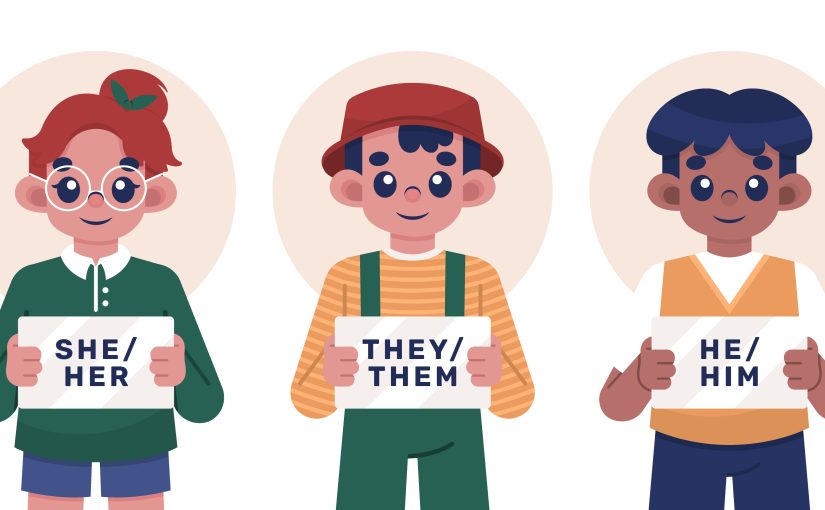
A pronoun is a word used to describe people. Gender pronouns refer to people and are what people choose to refer to themselves as. Some are feminine, masculine, and others gender neutral. These pronouns may or may not match their gender expression (see definition below).

Why is it important to fully understand and respect someone’s gender pronouns?

You can’t always correctly determine what someone’s gender pronouns are just by looking at them. Asking someone allows you to correctly identify them. This not only respects their identity but also allows them to feel safe and accepted too.

How should I go about asking someone for their pronouns?

It can feel uncomfortable to have to ask someone, but they surely will appreciate you wanting to identify them properly. Simply ask them, “Which pronouns do you identify with?” or “Can you remind me which pronouns are your preferred ones?”

Find out the benefits of diversity and inclusion in the workplace.

Terms

Affirmed Gender

The gender that matches someone’s gender identity. For example, if someone was assigned male at birth and identifies as female, their gender affirmation is female.

Agender

A term referring to a person without a specific gender. This can be either a non-binary gender identity or just gender-neutral.

Bisexual

Someone who is attracted to more than just one gender.

Cisgender

Someone whose assigned sex at birth aligns directly with their actual gender identity.

Gay

A person who is attracted to people of the same sex.

Gender

A set of behaviors or societal norms associated with being feminine, masculine, etc. Example: male or female

Gender Bias

Behavior that shows favoritism toward one specific gender.

Gender Expansive

A term for someone who has a more flexible gender identity and may not conform to typical gender stereotypes. This does not always mean non-binary, as cisgender people can fit this definition too.

Gender Expression

The way someone physically showcases their gender identity externally, whether through their voice, hairstyle, clothing, etc. It’s important to understand that there are many combinations of gender expression, and it’s not limited to just masculine and feminine. Gender expression doesn’t imply someone’s gender identity.

Gender-Fluid

A person who doesn’t identify with one fixed gender or has a fluid gender identity.

Gender Identity

Someone’s personal sense of self in regard to their gender. This doesn’t necessarily correspond to their biological sex and, many people become aware of their gender identity at different stages of their lives.

Genderqueer

People who reject traditional gender categories and embrace being fluid in terms of their gender identity. This doesn’t always correlate with sexual orientation though. They may see themselves as non-binary or as both male or female or any other way.

Gender Transition

This process occurs when a transgender or nonbinary person alters their appearance with different hormone therapies and medical procedures.

Heterosexuality

People who are attracted to people of the opposite sex. Also known as straight.

Intersex

An umbrella term is used to describe people with different hormones, anatomy, or chromosomes than fit the usual definitions of either male or female. This is not the same as being transgender or non-binary though.

Lesbian

A woman (assigned at birth or otherwise) who is attracted to other women.

LGBTQIA+

An acronym that incorporates everyone who identifies as lesbian, gay, bisexual, transgender, intersex, and asexual as well as any other queer identities. The + represents all identities that aren’t explicitly described in the letters themselves.

Misgender

The language used to describe someone that doesn’t align with their affirmed gender. For example, calling a transgender woman, a “he” or “him.”

Non-binary

A term used to describe people who fall outside of the traditional binary gender categories: male and female. Also known as genderqueer or gender variant.

Pansexual

Someone who can potentially be attracted to people of any gender.

Polysexual

Poly means many, so the act of being attracted to multiple people at the same time, possibly of multiple genders too.

Pronouns

Words, particularly personal pronouns, are used to match someone’s gender. Examples include she/her, he/him, they/them, and ze/hir. Some people use specific pronouns, some use any, and some use none at all.

Queer

A term used by some people to embrace all sexualities and genders and may not identify with any specific label.

Sex

A person’s biological status that is typically assigned at birth based on anatomy. It usually is either male, female, or intersex.

Sexual orientation

Someone’s physical, emotional, or romantic attraction toward other people.

Transgender

Someone whose gender identity differs from the gender they were assigned at birth.

Embracing diversity and inclusion in the workplace by using our online Diversity Calendar.

FAQs

What is the difference between gender identity and pronouns?

Gender identity is someone’s sense and how they perceive themselves as a specific gender, a blend of some, or none at all. Pronouns are one way to express someone’s gender and how others perceive them. The right terms help to affirm someone’s identity. Using the wrong ones can be demeaning and represent the opposite of inclusion. Ask people for their preferred pronouns so you can ensure that you’re addressing them as they would like to be to avoid any miscommunication.

Are pronouns considered a part of someone’s gender identity?

The pronouns that someone uses are the only ones that should be used for them. Never include gender with pronouns i.e. male pronouns or female pronouns. Pronouns are not tied to someone’s gender identity.

What does non-binary mean?

“Binary” means having two parts. That means that nonbinary is a term to describe an individual who says that their gender doesn’t fall in the categories of male or female gender. Genderqueer is another term used to describe a gender identity that doesn’t identify with either gender.

How to Fight Diversity Fatigue

Diversity, equity, and inclusion (DEI) strategies have existed for decades. However, the influx of instances of discrimination and hate crimes has not only raised expectations for these important programs but has also intensified their emotional impact. However, the challenges of companies are changing and there are times when diversity fatigue may set in.

In this blog, we explain diversity fatigue, its causes, some symptoms of this dreadful condition, and present ideas of how your organization can overcome it.

Diversity Fatigue Definition

Diversity fatigue is a term used to describe stress associated with attempting to diversify a workforce through recruiting and hiring. It includes feelings of frustration or exhaustion associated with creating a diverse and inclusive workplace.

Whether it’s caused by emotions, resistance to change, or overwhelming expectations, it can have prolonged effects on your DEI efforts. Complacency, exhaustion, and burnout are all very real consequences of this ongoing fatigue.

Ultimately, diversity fatigue can be a result of the many challenges that organizations face, such as:

  • Lack of time or resources to address DEI challenges.
  • Difficulty sticking to long-term goals in DEI programs.
  • Discouragement or intimidation from management or senior team members who are frustrated with the slow progress of these programs.
  • Lack of interest in participating in initiatives

What Are the Symptoms of Diversity Fatigue?

If you notice any of these common signs or symptoms of diversity fatigue, it could indicate that someone is suffering from it.

  • Dodging conversations about race or gender
  • Resentment toward colleagues who are vocal about DEI
  • Decreased engagement with DEI programs or events
  • Reduced productivity
  • Feelings of being overwhelmed by the amount of work to achieve these important goals
  • Increased turnover

All of these are potential consequences that a team may face when diversity fatigue sets in. However, you can combat diversity fatigue and next, we’ll discuss tips and strategies on how to successfully work through it.

How Do You Fight Diversity Fatigue?

It’s not uncommon for people to become disheartened or even disappointed about the progress of DEI programs at work. That’s why encouraging your staff to have a growth mindset, where you don’t see failure as a negative but as a way to develop skills and abilities, and to grow both individually and as an organization, is essential. It’s not uncommon that once employees feel this way, it can stall the progress you have on your DEI strategy.

However, by fostering an inclusive culture that prioritizes well-being and offers resources for support, you can create a space where open dialogue feels safe and accepted. This can significantly affect how your staff feels about these programs and the success behind them, no matter how slow they may be at times.

Tips For Overcoming Diversity Fatigue

Here are three valuable tips that you can use to help your team overcome this challenging issue:

  • Set realistic expectations: There is no way to solve every issue that your company may face in the future, so realistic expectations help manage that stress.
  • Measure progress: By having easy ways to measure success, you can pinpoint problem areas to address. Long-term change requires pushing through these struggles and being able to measure results over time. Without this, it is easy for a team to grow more and more frustrated.
  • Be clear about DEI efforts to all employees and potential candidates: It’s crucial that you’re communicating these efforts to individuals who potentially may work for you. This means they are prepared to participate in these initiatives and will feel valued about your transparency.

Ready to address unconscious bias? Register for our online Unconscious Bias Training today!

Reframing the Narrative

Let’s face it – diversity isn’t a burden that we face, but an opportunity for both growth and learning. Research shows that diverse organizations outperform their competitors 35% of the time. This means investing in DEI programs and initiatives is valuable for any business in any industry. Diverse teams are also more likely to come up with innovative ideas and are more productive collaboratively.

Remember that this is a long-term commitment. So, recognizing the signs of this fatigue and being proactive to help keep your team energized and committed to specific goals is important.

Sustaining Momentum

Ultimately, both as a colleague and as a human, it’s important that you continuously grow and are willing to adapt to be fully committed to DEI programs in your workplace. It’s important that you keep reflecting and evaluating strategies and adjusting things as needed to ensure that this diversity fatigue doesn’t take over your organization.

Embracing change isn’t just about the methods or procedures associated with diversity and inclusion, but also about building a workplace for diversity that flourishes and creates a sense of belonging for all team members.

Embrace diversity year-round with our Online Diversity Calendar. Try it for free now!

Religious Events in the Workplace

Please refer to our Online Diversity Calendar for a complete listing of religious events affecting the workplace.

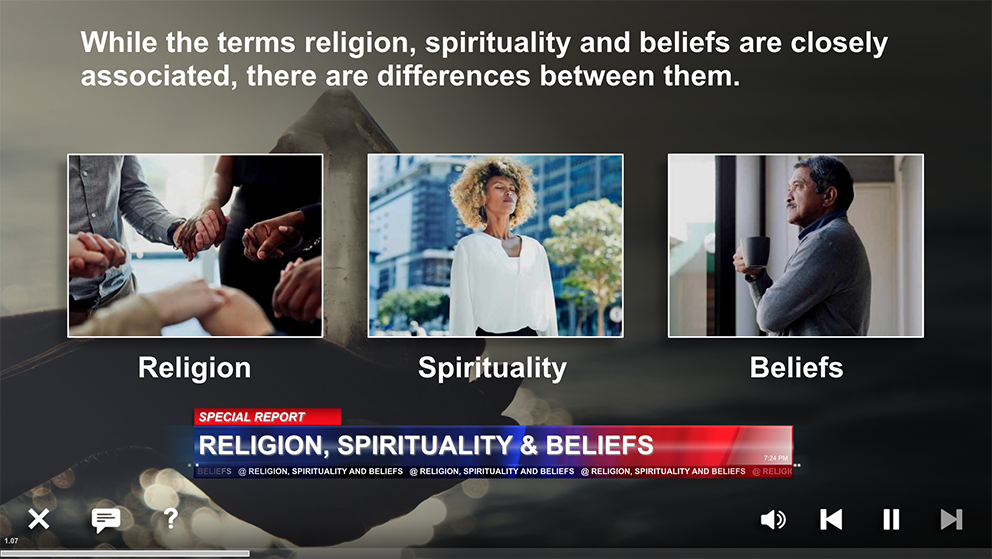
In the United States, religion and the workplace are becoming increasingly intertwined. More workers expect their religious beliefs and practices to be accommodated in the workplace, to be given days off to celebrate holidays, and to be allowed time during the workday to practice religious beliefs.

Lack of awareness of these differing religious events can lead to disrespect, discrimination, employee turnover and costly lawsuits.

In most of the world, these accommodations have long been common.  Most countries have populations with a dominant religion. Religious practices are reflected in many aspects of the country’s life, including the workplace, public holidays, and societal values.

To help ensure workplace religious freedom and respect, you must ensure your employees are aware of the key events surrounding various religions. Here are some of the most popular ones.

Popular Religious Events

Christianity

Christianity is the main religious influence on U.S. businesses. Christianity is the world’s largest and most widespread religion with roughly 2.4 billion followers. It represents about 70% of religious practitioners in the US, and 33% globally.

The two main Christian holidays are:

  • Easter
  • Christmas

These religious events result in the almost complete closings of businesses in the United States, and in predominantly Christian countries or regions.

In non-U.S. regions where Christianity is the dominant religion – such as Western Europe – the days after Easter and Christmas are also celebrated with most businesses closed.

Islam

23% of the world’s popular practices Islam. Work schedules can significantly be affected by Islamic religious events and holidays. This can also have profound effects on how and when business is done. This is especially true of:

  • Ramadan
  • Eid al-Fitr
  • Eid al-Adha

Friday prayer is obligatory and is held during the early afternoon. Since the Regular Islamic practices that should be accommodated on a daily basis include time and space for daily prayers and washing before prayer.

Judaism

It’s the second-largest religion in the United States. For observant Jews, several events require absence from work. These religious events include:

  • The first two days of Passover
  • Rosh Hashanah
  • Yom Kippur
  • first two days of Sukkoth

Some other prohibitions include traveling (except on foot), writing, using electricity or a telephone, and performing transactions of a commercial nature (i.e., buying and selling).

Hinduism

The most popular Indian religion has many holidays, which reflects its extremely diverse culture. Major holidays may require some flexible scheduling for employees to celebrate appropriately. These religious events include:

  • Holi
  • Diwali
  • Vaisakhi
  • Janmashtami

Buddhism

While Asian holidays often fall on weekends, there may be some times that employees request regular work days or hours off.  In China, Vietnam, South Korea, Cambodia, and Thailand, New Year celebrations see many businesses and government offices closing for a few weeks. Some holidays may require you to offer flexible scheduling, including:

  • Bodhi Day
  • Buddha’s Birth

To find out this year’s dates for moveable religious events, try out our  Online Diversity Calendar.

Religious Events FAQs

What are some examples from the workplace of religious expression?
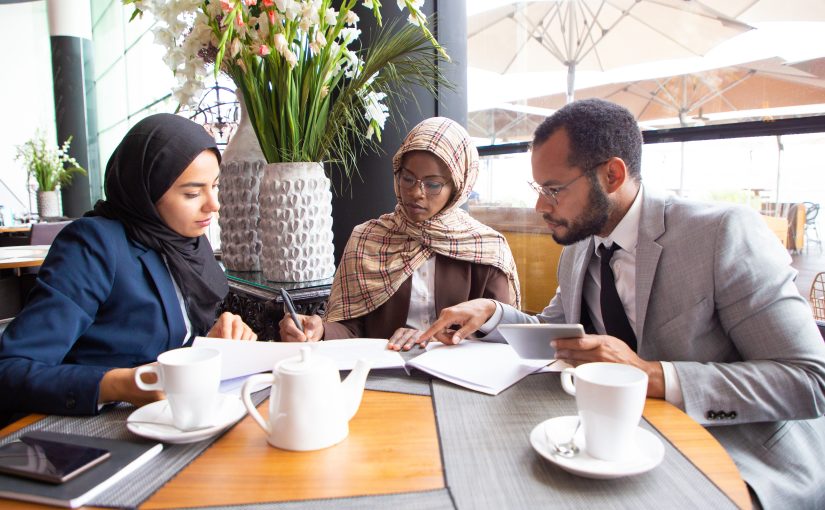
Examples of religious expression in the workplace can include wearing religious attire (e.g., headscarves or turbans), displaying religious symbols, observing prayer rituals, requesting time off for religious holidays, or engaging in discussions about one’s faith during appropriate contexts.

What is an example of a religious conflict in the workplace?
A common example of a religious conflict in the workplace is when scheduling conflicts arise due to employees needing time off for religious observance, leading to tensions with colleagues who may have to cover their duties. These conflicts can also occur if certain workplace policies or practices clash with an employee’s religious beliefs, such as dress codes that restrict religious attire.

What are 5 examples of religious practices?
Five examples of religious practices can encompass daily prayers, dietary restrictions (e.g., kosher or halal diets), fasting during specific times, attending religious services, and participating in religious festivals or rituals.

How does religion impact the workplace?
Religion can significantly impact the workplace by influencing employees’ behaviors, interactions, and needs. It can foster diversity and inclusion when accommodated appropriately but may also lead to conflicts if not managed well. Employers must navigate religious accommodations, address potential biases or discrimination, and create an environment that respects various beliefs to ensure a harmonious and productive workplace.

Ageism in the Workplace: Combating Age Discrimination

Ageism is the tendency to have negative feelings toward someone based entirely on their age. Unfortunately, ageism in the workplace oftentimes makes it is harder for people over the age of 50 to find work. Ageism can also manifest in patronizing older employees and underestimating the abilities of young people.

Companies are buckling down about both diversity and inclusion, and that includes hiring people of all ages. Older employees are perhaps the most experienced and knowledgeable members of the workplace but are often overlooked by younger workers. This blog hopes to shed some light on the issues and how to combat ageism in your workplace.

Understanding Ageism in the Workplace

Ageism refers to when an employee is treated poorly or denied promotions because of their age. The average retirement age keeps rising every year, which means there are more and more older individuals working.

Ageism in the workplace is unfortunately very common. However, it’s important to understand that older workers aren’t the only ones to deal with age bias. Younger workers also face ageism treatment due to assumptions that they lack the proper experience to do their job effectively.

What Are Examples of Ageism in the Workplace?

Let’s explore some examples of age discrimination in the workplace:

  • Restricting learning opportunities, such as continuing education reimbursement or industry conference attendance, to younger employees only.
  • Excluding older workers from promotion considerations.
  • Making derogatory comments about their inability to use technology effectively or slow typing.

These are just some instances of ageism that can occur in the workplace.

Combating Ageism

To combat ageism, it’s essential to take proactive measures. Here are some strategies to consider:

Be More Open to Working With Everyone: Establish relationships with both younger and older workers to encourage collaboration on projects and ensure all voices are heard.

Embrace Learning Together: Help coworkers who may struggle with technology by taking online programs together or just helping them to better understand how to use technology tools.

Participate in Discrimination & Diversity Training: By providing training on age diversity and addressing bias, employees gain a better understanding of the benefits of a multigenerational team.

Implement Discrimination Policies: Define and communicate policies that explicitly state that unfair treatment based on age, or any factor, will not be tolerated and list out the repercussions for such behavior.

Final Thoughts

The best way to combat ageism in the workplace is to cultivate a diverse and inclusive multigenerational workforce. Recognize that all employees regardless of their age can contribute to the success of a business. Try out our workplace harassment training suite to ensure your organization is a safe place for all. By creating this welcoming culture, you will not only have a more productive team, but also a happier workplace.

Take the next step towards fostering diversity and inclusion in your organization with our Online Diversity and Inclusion Training Suite. Our comprehensive training programs provide valuable insights and practical strategies for creating an inclusive workplace that values individuals of all ages.

FAQs

How can we solve age discrimination in the workplace?

Many steps can be taken to create positive change at work. Education is important, so diversity training or workshops help your staff to continuously be on top of the latest DEI trends. Create a diverse, inclusive, and age-inclusive work culture that begins with job postings, vetting, and onboarding. Eliminate any internal language that uses offensive language such as grandfathered.

What can be done to combat ageism?

Establish relationships with workers of all ages by collaboration on projects. Offer training for team members to learn about new software without it seeming that they can’t use the technology. Fight against ageist stereotypes by pushing back when you hear colleagues or your employees using these terms.

What are 3 signs that someone is being discriminated against because of their age?

Being overlooked for challenging assignments is one sign that you may be experiencing age discrimination. Feeling left out during meetings or when making decisions can be another thing that some employees face. Being encouraged to retire when you reach a specific age or given an incentive to do so can sometimes be a means of age discrimination too.

Benefits of Diversity and Inclusion in the Workplace

It’s no surprise that the words diversity and inclusion are buzzwords in today’s workplace and society. Although nearly everyone has heard them in their daily lives, it’s important for us to always think critically about what they mean, how that meaning evolves, whether as a business or as a society, and the overall benefits of diversity and inclusion in the workplace.

While many large businesses and organizations focus on diversity across various categories, it is important to recognize the value of each aspect and their collective impact.

What is Diversity?

Diversity refers to the variety of characteristics and experiences that shape our identities. It encompasses categories such as:

  • Age
  • Gender
  • Race
  • Religion and beliefs
  • Culture
  • Sexual Orientation
  • Physical and cognitive abilities

A truly diverse organization appreciates and values all of these categories, not just one or two.

The Importance of Diversity

Diversity is essential for businesses and society as a whole. Teams with diverse backgrounds and experiences tend to produce better results. This is because diverse teams can draw from different perspectives and values to solve problems collaboratively. This leads to more creative and effective solutions to problems you may face in your business.

Curious about DEI events coming up? Check out our DEI Calendar 2024 highlights.

Benefits of Diversity and Inclusion

When you learn more about each member of your team, you can create an environment where everyone feels a sense of belonging and respect. This helps to break down barriers that may initially cause a struggle with teamwork. Diversity training teaches the support and empathy necessary to ensure that all differences are used positively to help boost productivity rather than  lower it.

Because our world has become more interconnected, there has been a rise in global teams at some of the largest world businesses. By strategizing how to best understand and leverage the strengths of your diverse team, your business can continuously grow and flourish as a unified team.

Yes, diversity is here to stay, but the topic is always evolving.

What is Diversity Without Inclusion?

While we do see diversity making great strides, oftentimes diversity exists without inclusion. Yes, you have a diverse staff, but are their voices being heard? It’s important that there is a free range of communication available so that employees can notify higher-ups about potential problems before they become detrimental.

To truly be inclusive, you must listen to and account for the thoughts and opinions of all of your team. As you become more aware of ways to better understand and to utilize your culturally diverse staff, you will be more of a competitive advantage to others in your industry.

Final Thoughts

Embracing diversity and inclusion in the workplace has a powerful impact not only on the world, but also your business. Talk about a win-win!  By embracing diversity across all categories, as well as fostering inclusivity, you can create an environment where everyone can thrive. Diversity and inclusion are ongoing journeys, and businesses that actively embrace them will be better positioned to navigate the ever-changing landscape.

One way to promote diversity is to align your company calendar with a Diversity Calendar.

How ‘Disabled But Not Really’ Is Empowering People with Disabilities

Discover how Disabled But Not Really empowers people with disabilities through adaptive training and lifestyle enhancements.

“All individuals with disabilities deserve the chance for a better life” – Wesley Hamilton

At the young age of 24, Wesley Hamilton was the victim of a life-altering shooting. Hamilton survived, but the incident left him reliant on a wheelchair. As he started his journey to recovery and adaptation, he discovered he would need to focus on not only physical fitness and nutrition, but also mental health.

Although Hamilton’s doctors and caretakers helped him to feel comfortable, they did not equip him with the tools to fully adapt to life’s new challenges. Motivated by his daughter, he embarked on a transformative journey to get healthier.

“I adopted a fitness and nutrition routine, lost 100 pounds in a year, and became a role model in the fitness community,” Hamilton said. “Inspired by my own transformation, I founded Disabled Not Really (DBNR) to encourage others with disabilities to pursue their potential.”

Founded in 2015, Disabled But Not Really (DBNR) is a 501(c)3 Not For Profit Charity based in Kansas City, Missouri. The organization aims to help people living with disabilities realize their purpose through adaptive training and lifestyle enhancements as a toolset to excel in life.

Daily Impact on People With Disabilities

The word “disabled” carries a lot of societal perceptions that Hamilton aims to shatter. “Not really” signifies breaking the mold of what is considered the norm. After taking ownership of his own health and fitness, Hamilton was convinced he could help others do the same.

Hamilton embodies the spirit of Disabled But Not Really every day and he works with his team to inspire the same mentality in others living with disabilities. DBNR relies on individual donors to fund its impactful programs and hosts community events to additional fundraising throughout the year.

#HelpMeFit Program

The #HelpMeFit Challenge is a 12-week holistic program aimed at enhancing the well-being of DBNR athletes, especially those affected by conditions such as amputation, cerebral palsy, and traumatic brain injury, among others. Beyond physical fitness, it offers valuable nutritional and mental health insights.

Its intensive approach improves functionality, muscle development, and posture while also providing mental health benefits such as reduced pain and depression. Tailored to cultivate a long-lasting positive mindset, participants are empowered to sustain momentum even after completing the program.

“Our biggest accomplishment as an organization is the daily impact we make through our programs,” Hamilton said. “These programs empower individuals with disabilities to discover their purpose and forge a new reality for themselves. The success stories of the individuals we serve testify to our achievement.”

What Lies Ahead

Expansion is in the future. As DBNR brings on more staff, they plan to introduce virtual services to help those outside of the Kansas City Metro Area. In the meantime, a mobile gym serves those who don’t live in the local area.

In reflecting on what’s to come, Hamilton shared his vision:  “Over the next five years, we envision expanding into a larger facility and scaling our model to serve multiple communities. Our driving principle is that all individuals with disabilities deserve the chance for a better life, and we are committed to making that vision a reality.”

To learn more about Disabled But Not Really or to donate to its cause, visit their website.

Don’t miss out on recognizing and celebrating diversity all year round. Try out our comprehensive Online Diversity Calendar and become a more inclusive organization today.

FAQs

Is it better to say disabled people or people with disabilities?

People-first language refers to the language that puts a person before any diagnosis or disability they have. This means that their identity isn’t just about their disability. When you use other terms or language, it can be dehumanizing. Refer to them as a person living with a disability instead of a disabled person.

How can I empower staff members with disabilities?

See them as a person first and not their disability. Ask questions about their disability and if they need any accommodations to help them do their job easier. Encourage your team to make decisions based on ensuring that everyone feels heard and accepted.

What do people with disabilities struggle with the most?

Generally, people living with a disability have barriers when it comes to workplaces. Lack of assistive technology, whether adaptive, assistive, or rehabilitative, can make their job a lot more difficult. Also, the attitudes that people have about those living with a disability can be difficult. Creating a positive work culture where all team members feel respected and accepted is important to their productivity.

How to Talk About Racial Issues Respectfully

Having clear and open dialogue about vital topics like race helps us to understand each other more deeply. These discussions, while often uncomfortable,  help increase awareness  of others’ opinions and beliefs. The goal is to facilitate learning and personal growth, leading to evolved  thoughts or behaviors.

Ultimately, awareness leads to empathy and it’s not uncommon for our minds to change and to grow as we learn more about cultural issues, such as racial injustice. However, learning how to talk effectively with your friends, family, colleagues, or classmates amplifies this powerful experience.

How to Approach Conversations About Race

The first step toward success when talking about serious and emotional subjects is to be clear and open about the purpose of the conversation. In some instances, setting ground rules for respectful engagement can be beneficial. For instance, practice attentive listening by refraining from speaking over others, or consider setting a time limit for each participant’s input.

Choose the approach that you think will result in the most productive experience. This likely will vary depending on the setting you’re speaking in. If you’re speaking with people who are close to you, you may not need to set the same boundaries as colleagues or classmates. That ultimately depends on you, your comfort level, and those around you.

Open-Minded Conversations Prevail

Addressing contentious topics like race demands an open mindset, allowing for differing views. Productive conversations prioritize active listening and acknowledging other people’s experiences before passing judgement. Everyone has a unique perspective shaped by their culture, upbringing, where they grew up, and more, leading to different experiences regarding identity or race.

Note: If things start to get too uncomfortable for the conversation to be constructive, take a break.

Remember that one conversation can’t erase deeply rooted racial issues. The goal is to make a thoughtful and realistic commitment to personal growth and learning from others. This commitment will help break down thoughts about race passed down from generation to generation.

How to Initiate a Conversation

Sometimes, initiating a conversation is as simple as just asking direct questions. For instance, “How do you feel about what’s happening in today’s world? What change do you think needs to be made? What is your racial identity? Do you think you experience privilege?

Speaking About Race Respectfully

To expand your knowledge about the topic and to make your conversations more productive and respectful, learn more about terms like unconscious bias, marginalized, race, racism, privilege, stereotypes, systemic racism, and racial injustice, to start. Not only do these conversations bring awareness, but they allow us as a society to learn and grow from one another.

Elevate the impact of your conversations by exploring our Online Diversity Training and using our Diversity Calendar. These resources empower you to actively contribute to inclusivity and growth.

FAQs

How do you have a constructive conversation about race?

The first step to having a constructive conversation about race is to understand your own racial or cultural identity. Next, acknowledge any racial biases you may have. Validate someone’s feelings regarding them and encourage them to speak out if they feel uncomfortable about the way people speak around them.

How do you have difficult conversations professionally?

Having difficult conversations professionally means that you don’t procrastinate having tough talks. Also, focus on the facts and always consider the other person’s perspective. The focus of this talk should be acknowledging each person’s feelings and brainstorming a positive change that can occur to ensure that the situation doesn’t happen again.

What are good questions to ask about race and ethnicity?

When you want to learn more about someone’s race or ethnicity, consider asking them some questions to get to know them. What racial or ethnic groups describe you? Or, what do you consider yourself to be? Leave the responses open-ended instead of restricting people to just one answer.

Resolving Workplace Religious Conflict

As religious diversity in the workplace increases, so does the potential for expensive and harmful conflicts. This underscores the need for comprehensive for religious sensitivity training.

From 2016 to 2018, the U.S. Equal Employment Opportunity Commission saw religious discrimination claims soar by over 105%. This sharp increase is indicative of a changing demographic landscape that demands greater attention to religious diversity.

Take, for instance, the Hispanic community in the United States. Comprising primarily individuals of Mexican descent, as well as those from Puerto Rico, Central America, and various South American countries, this group showcases diversity within itself.

A common misconception is the homogeneity of religious beliefs among Hispanics, particularly regarding Catholicism. However, data from a Pew Research Center report reveals a seismic shift in this demographic: Catholic self-identification among Hispanics has dropped from 67% in 2010 to under 55% recently. Meanwhile, Protestant affiliation has risen to 22%, with 18% of Hispanics identifying as unaffiliated with any religion.

This increasingly complex picture of the religious composition of the Hispanic population emphasizes both the importance and difficulty of keeping track of the religious faith interests and needs of the workplace population, and the importance of providing workplace religious respect training.

Industry experts, such as Don Meinert, who tackled the subject in “Matters of Faith” for HR Magazine, predict escalating workplace conflicts due to religious differences. These conflicts often stem from:

  • Inter-religious group tensions
  • Requests for time off for religious observances
  • Diverse religious dress codes and headwear
  • Inclusivity during holiday celebrations
  • Proselytizing attempts among employees

The solution to these challenges lies in the implementation of effective policies, heightened awareness, and respectful procedures. Policies that accommodate religious needs can cultivate a more inclusive environment, enhance employee engagement, and minimize legal risks.

A diversity calendar is a crucial tool for achieving these goals. It outlines significant religious dates, providing context on how these may influence workplace activities and demands. This calendar, alongside training that promotes understanding of religious practices, can significantly bolster workplace harmony and tolerance.

Equipping managers and employees with the knowledge to recognize and respect religious diversity not only fosters a more inclusive workplace but also builds a foundation for mutual respect and understanding across all levels of an organization.

Workplace Religious Conflict FAQs

What is an example of a religious conflict in the workplace?
An example of a religious conflict in the workplace could involve scheduling conflicts that arise when an employee’s religious observances coincide with regular work hours or company events. If the company does not acknowledge or accommodate this religious observance, it can lead to conflict between the employee’s religious practices and the company’s operational requirements.

What is an example of religious discrimination at work?
Religious discrimination at work happens when an employee is treated unfavorably because of their religious beliefs. For example, if an employee who wears a hijab, a head covering worn by some Muslim women, is passed over for a customer-facing role solely because of the headscarf, it constitutes religious discrimination. This is based on the prejudicial assumption that customers would react negatively to the hijab, without any actual evidence to support this claim.

What are three types of religious conflict?
Three common types of religious conflict in the workplace include interpersonal, institutional, and internal conflicts. Interpersonal conflicts arise when employees of different faiths clash over their beliefs or practices. Institutional conflicts occur when workplace policies inadvertently disadvantage certain religious groups, such as a scheduling policy that doesn’t accommodate religious holidays. Internal conflicts happen when an employee’s religious beliefs are at odds with their job duties, like a vegetarian employee required to prepare meat products.

Understanding Multicultural Societies

A multicultural society refers to a diverse community where various ethnic groups of people coexist within one society. Examples of such cities include London, Toronto, and New York. By taking the time to understand different cultures, we can all coexist in a more positive world.

Here, we’ll explore common questions about multiculturalism.

What are some examples of multicultural societies?

An example of a multicultural society is Canada where a large range of different ethnicities including Chinese, Indian, and Indigenous People live, just to name a few. It is a global place where different groups coexist together.

Why is society multicultural?

A society is multicultural because of the many different cultural groups in the world. This means that it has succeeded past exclusion, discrimination, and most importantly oppression to become a more inclusive society. Modern democracies especially have members with different viewpoints.

Which country is an example of a multicultural society?

The United States is a melting pot of people from different races, ethnicities, and countries. This represents coming together as one – Americans – and acknowledging the differences between us is what makes us so special and unique.

What are three examples of multicultural societies?

Australia, New Zealand, and the U.K. are also notable multicultural societies.

What is the biggest multicultural country?

The most diverse countries are found in Africa, especially Liberia, Nepal, South Africa, Nigeria, Kenya, and Mali. The majority of these countries have racial diversity higher than 80%.

What are the advantages and disadvantages of living in a multicultural society?

Living in a multicultural society comes with both advantages and disadvantages. On the positive side, it offers exposure to diverse cultures, fostering tolerance and enriching one’s perspective. It promotes a vibrant cultural tapestry, leading to culinary, artistic, and social richness. Multicultural societies often have access to a wider range of international experiences. However, challenges can include communication barriers, misunderstandings, and occasional tensions between different cultural groups. Cultural clashes can occur, and it may be challenging to maintain a shared national identity.

To learn more about how living in a multicultural society affects the workplace, check out this article on global communications styles in the workplace.

Sign In

Sign in to Diversity Resources