Facebook Pixel

Diversity Terms

It’s important to understand common diversity terms. Sometimes these words can have different meanings, which are based on someone’s upbringing and their personal life experiences. This is why having a glossary of terms is so important.

While this list is not comprehensive, it is meant to be a starting point for your learning. Here we will explore key DEI terms that will help you begin having productive discussions about these topics in the workplace.
Diversity Terms to Know

Diversity

In the United States, diversity and inclusion generally refer to the advancement of traditionally underrepresented groups, defined by race/ethnicity, gender, sexual orientation, disability, and age. When companies speak about hiring or promoting diversity, they generally mean hiring or promoting more women, Blacks, Latinos, and Asians. Corporate diversity includes all these underrepresented groups and can include consideration of diversity of background, age, and class.

Inclusion

An increasingly popular glossary term, both in the United States and globally, inclusion is defined as including people from all groups. Diversity and inclusion, also often called D&I, have become increasingly popular terms in corporate America. This is the belief that it is a welcoming place for all identities, races, religions, and ethnicities. This means that it isn’t just tolerated, but valued and accepted.

Affirmative Action

Affirmative action is terminology based on the legal concept introduced in the 1960s to factor “race, color, religion, sex or national origin” in employment, education, and business to improve representation of underrepresented groups. In 2003, the U.S. Supreme Court upheld the use of affirmative action in college admissions, but there have been several state and national challenges. The current Supreme Court deemed these programs unconstitutional in 2023.

Workplace Diversity

This is a common term for increased racial/ethnic/gender representation in a company’s entire workforce. Best practices show that increased workforce diversity is usually accomplished through demographic goals set by an executive diversity council, strong diversity recruitment efforts, and the use of employee resource groups and talent-development initiatives aimed at underrepresented groups.

Learning Diversity Terms Helps for Better Understanding

When you take the time to learn these important diversity, equity, and inclusion terms, you help your DEI program to improve. You also help create a culture of knowledge that encourages your staff to learn more too.

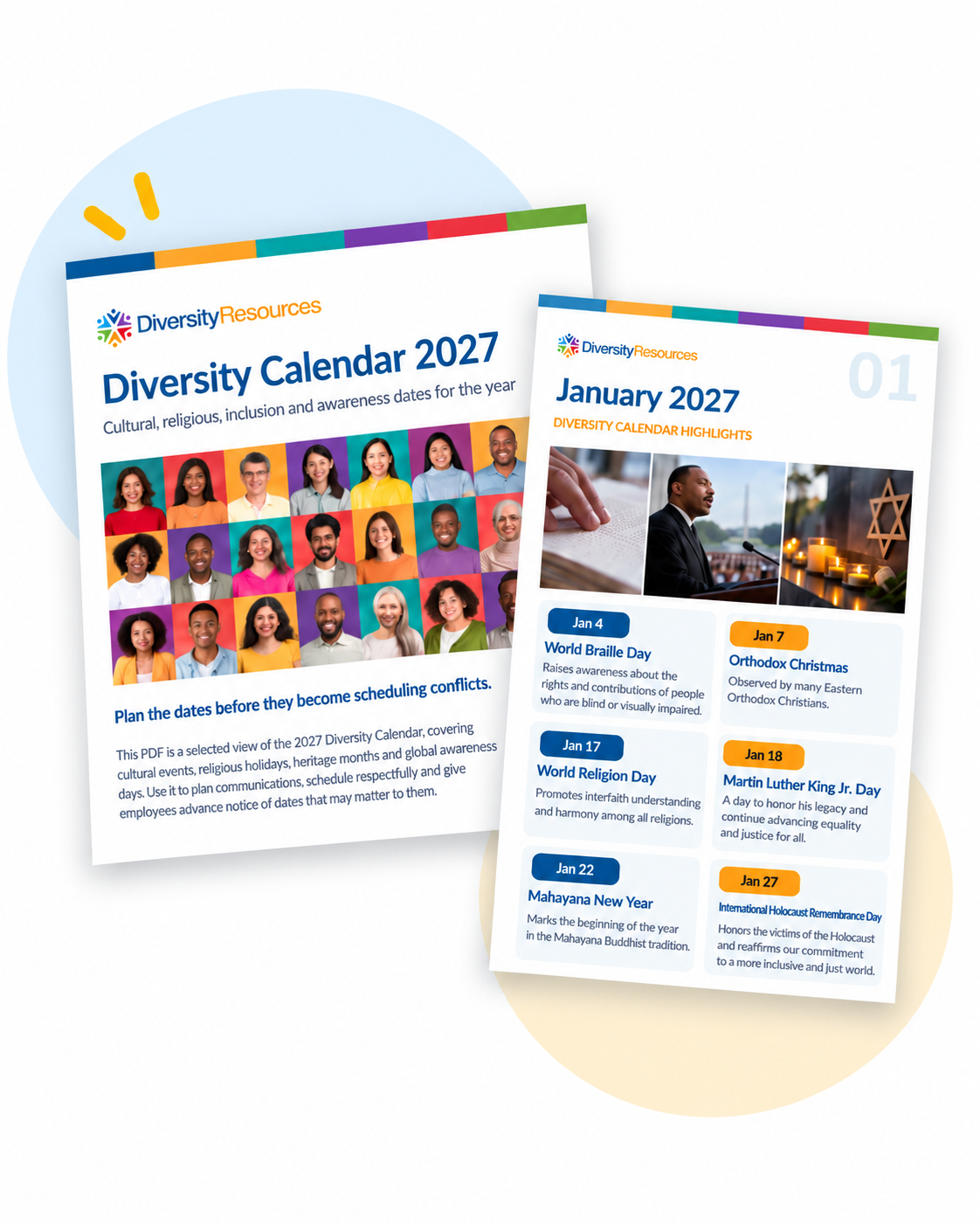
Ready to be more inclusive? Try out our Diversity Calendar for free.

FAQs

What are some terms for diversity?
These terms refer to the differences between people with respect to gender, age, class, ethnicity, physical and mental ability, sexual orientation, and race.

What are the 5 R’s associated with DEI?
The five Rs are representation, respectful relationships, real conversations, research, and results.

What is a good way to describe diversity?
Diversity refers to the range of people with different ethnic, racial, cultural, or socioeconomic backgrounds with different life experiences.

How the SCOTUS Affirmative Action Ruling Will Impact Employers

The world is undergoing a rapid transformation, with each passing day bringing new dynamics to the forefront. The 2020 United States Census shed light on the remarkable rise of various racial and ethnic groups within America, especially the Latino, Hispanic, Asian American, and multiracial communities. This surge in multiracial population growth has ushered in an era of unparalleled racial and ethnic diversity. Amidst this backdrop of transformation, affirmative action stands as a significant point of discussion. While the concept itself isn’t new, its relevance and implications have taken on new dimensions.

According to the US Census Bureau, the U.S. is 57.8% white, 18.7% Hispanic, 12.4% Black, and 6% Asian. Also, nearly 33.8 million people reported being more than one race, which is nearly three times more than 9 million people reported being multiracial in 2010.

The subject of race remains a highly contentious topic, as shown by the activism of groups like Black Lives Matter. Additionally, the effects that some recent Supreme Court rulings have made on society cannot be understated.  While this emerging diversity is good news, addressing the impact of the recent Supreme Court ruling on affirmative action on minority rights is a crucial concern for many Americans.

Ready to foster inclusive leadership? Explore our Diversity and Inclusion Training and empower your team to thrive in a diverse and equitable workplace.

Affirmative Action

Affirmative action is a set of policies aimed at promoting work and educational opportunities for minority groups. While there have been more opportunities given to these communities than ever before, they still experience barriers in education and employment. This program helps prevent discrimination based on gender or race.

In June 2023, the Supreme Court made a historic decision with Students For Fair Admissions, Inc. v President and Fellows of Harvard College. Their 6-2 decision struck down affirmative action by saying that race-based programs during college admissions violate the Equal Protection Clause of the 14th Amendment. This essentially ends the ability of higher institutions to consider race as a factor when deciding if an applicant is qualified to be admitted.

The Importance of Affirmative Action for Minority Rights

Protecting one’s identity helps prevent forced assimilation and the loss of culture. Minority rights, whether race, ethnicity, or gender, ensure that all people are given proper treatment regardless of their identity. Affirmative action ensures that minorities are included and it helps them to succeed in the workplace and educational institutions.

Minorities require these special measures because they deserve to feel a sense of belonging in a society where they are not part of the majority. After all, minority rights are human rights and are in the best interest of our entire society. When a portion of a government dictates or violates the rights of minorities, it’s the responsibility of the corporate business world to pick up the slack.

The Aftermath of This Ruling

While recent diversity, equity, and inclusion efforts have made strides in the workplace, many are worried about what the impact of affirmative action will have on applicants during the hiring process now. Concerns are growing about  future implications on the workforce as the pipeline and the programs designed to admit a wide range of individuals might face limitations moving forward.

What is even more concerning is the possibility that some companies may now begin to question their DEI strategies due to legal uncertainties arising from the recent court decision. This is despite existing legal protections against discrimination under Title VII of the 1964 Civil Rights Act.

How This Affirmative Action Decision Changes the Workplace

While this ruling doesn’t have a direct effect on workplace law, it could lead to problems with existing protections against decisions based on factors such as race. The ruling is likely to prompt a transformation in diversity, equity, and inclusion strategies. As the legality of race-conscious considerations faces heightened legal scrutiny, employers might adopt more holistic diversity strategies that encompass a broader range of diversity factors beyond race.

It’s important to note that while the prohibition on race discrimination in education falls under Title VI of the Civil Rights Act of 1964, the prohibition on race discrimination in employment is governed by Title VII. Educational institutions have generally enjoyed greater latitude in considering race compared to employers.

Both mandatory and voluntary affirmative action for employers remain intact despite the Supreme Court’s decision. This reinforces the evolving landscape of DE&I efforts in the employment sphere.

Continuing DEI Initiatives in Light of Recent Changes

In light of these rulings, it becomes even more crucial to strengthen DEI programs. However, it’s essential to recognize that voluntary affirmative action programs are bound by limitations that prohibit the implementation of quotas, preferences, and set-asides.

To effectively promote diversity and inclusion, assess your organization demographics to identify underrepresentation among protected groups and then develop strategic plans to address these disparities. Equally important is creating accessible workplaces, including not just physical spaces but also digital ones. The goal is to create an inclusive work environment that resonates with a diverse spectrum of employees.

Ultimately, the pursuit of diversity, equity, and inclusion is a multifaceted journey that goes beyond compliance—it’s about nurturing a workplace culture that embraces differences and empowers everyone to thrive.

Stay informed with our Online Diversity Calendar and celebrate important religious and cultural events throughout the year.

FAQs

How does affirmative action affect an employer?

Affirmative action requirements allow employers to reduce discrimination risk in their workplace by recruiting diverse talent. While the Supreme Court has ruled these programs to be unconstitutional in post-secondary educational institutions, they are still legal in the workforce. By vetting diverse talent, you can allow your staff to have a wide range of perspectives and skill sets.

How  do companies benefit from affirmative action?

Affirmative action helps organizations to have a more diverse workforce. This diversity in a team can lead to better innovation, productivity, and profits. Affirmative action programs hope to remove discrimination from hiring practices and increase opportunities for underrepresented groups.

What is an example of an affirmative action?

An example of affirmative action is a college admissions policy that considers race or ethnicity as one of the factors in the selection process to promote diversity within its student body. This approach aims to provide opportunities to historically underrepresented groups by ensuring they have a fair chance of admission. It seeks to address inequalities resulting from past discrimination and to enrich the educational experience for all students by exposing them to a broader range of perspectives.

The Spiritual Journey of Hajj: A Personal Reflection

The Hajj holds a special place in the hearts of Muslims around the world. It is the most significant Islamic pilgrimage, a journey that draws Muslims closer to their faith and their Creator. Every Muslim who is physically and financially able is required to take this journey at least once in their life. It takes place once a year in the holy city of Mecca, Saudi Arabia, the birthplace of Islam. Unlike other holy sites, Mecca is exclusively reserved for Muslims, who come from all corners of the globe to participate in the Hajj.

Origins and Spiritual Significance

The roots of the Hajj pilgrimage trace back to the times of the Prophets Ibrahim and Ismail. They paved the way for this sacred journey, a path that Prophet Muhammad (PBUH) himself would later tread. Muslims believe that Prophet Ibrahim’s faith was truly tested when God commanded him to sacrifice his son Ismail. While he was prepared to submit to this act, Ibrahim’s faith was rewarded, and God spared his son’s life.

The Islamic calendar follows the lunar calendar, which is typically 11 days shorter than the Gregorian one. Due to this, the date of the Hajj changes every year, occurring in Dhul-Hijjah, the final month of the Islamic lunar calendar.

The choice to perform the Hajj is life-changing and was exactly that for Rendy Syahdan Praditya, a graphic designer at Diversity Resources. His choice to fulfill the fifth pillar of Islam was a once-in-a-lifetime opportunity. “This trip requires years of waiting because it is regulated by the state, and I have been waiting for it for approximately 12 years,” Rendy said.

Why Is The Kaaba So Important?

The central point of the Hajj is the Kaaba, the House of Allah, standing in the heart of Mecca. Here, Muslims come to cleanse their souls of worldly sins and to seek closeness to God. This annual practice of solidarity and submission to God is one of the Five Pillars of Islam.

The Kaaba, located in the Masjid al-Haram, the Grand Mosque, holds unparalleled significance in Islam. Built by both Ismail and Ibrahim, this symbolic structure serves as a focal point of Muslim prayers worldwide. Muslims from around the world face the Kaaba during their Salah or five daily prayers.

The Hajj Rituals

During this spiritual journey, Rendy engaged in the various rituals that define the Hajj pilgrimage.

Tawaf

The Tawaf involves walking around the Holy Kaaba seven times counterclockwise. During this time, they recite Takbir or other prayers to Allah. This act of worship represents unity among Muslims and submitting to Allah’s will.

Sa’i

The Sa’i ritual involves walking or running seven times between the Safa and Marwa hills near the Holy Kaaba. It symbolizes Hajar’s perseverance as she ran and climbed seven times between these hills looking for water for her son Ismail. The true lesson of this rite is patience and having unwavering faith in Allah’s plan.

Symbolic Stoning of the Pillars

The last three days of the journey involve the symbolic stoning of the three pillars representing the devil. This is a reenactment of when Prophet Ibrahim threw stones at Satan after attempting to dissuade him from following Allah’s orders. This gesture signifies the rejection of malice and a commitment to righteous living.

It is believed that after the Hajj is completed that all past sins are forgiven and there is the promise of Paradise after death.

Rendy’s Hajj Journey

Rendy’s journey wasn’t without challenges. The experience is not only mentally and emotionally taxing, but physically too. Rendy had to prepare physically for months in advance to be able to complete all that was required of him during this journey.

However, when it came to his emotional and spiritual preparation, he shared, “I just left it to God to offer me guidance on the journey.” To begin his pilgrimage, he first traveled to Medina, Saudi Arabia where he dedicated eight days to his Arba’in devotion and paid respects at the tomb of the Prophet Muhammad (PBUH).

Following those first eight days, he traveled to Mecca to perform the Hajj, which included participating in Umrah at the Grand Mosque, Wukuf, and Jamrah in the city of Mina, all spanning around 32 days in total.

Speaking about his gratitude for the experience, he said he cannot put into words how appreciative he is to be able to participate in this trip. “It’s the ultimate form of prayer for Muslims. And, of course, I gained a lot of knowledge and became more obedient in practicing my religion,” Rendy said.

Learn more about Islamic celebrations and observances on our Islamic Holy Days blog.

Hajj

Reflections on the Hajj Experience

After this experience, Rendy reflected on the spiritual significance of his pilgrimage and how being amongst other Muslims made him feel. “I felt united with people from various countries, languages, and skin tones that all share the same goal: to perform the Hajj.”

Rendy acknowledged the challenges he faced, especially in maintaining his physical condition and practicing patience throughout the lengthy process. He also highlighted the effort he put into avoiding prohibited actions.

Certain behaviors, such as losing your temper, arguing, trimming nails, cutting hair, swearing, smoking, and taking photos or videos, are forbidden during the pilgrimage.

Despite the difficulties, Rendy believes that the positive aspects of completing the Hajj properly outweigh any hardships. Rendy shared that the experience helped him to “become more glorified and loving of God and the Prophet Muhammad (PBUH) as his messenger.”

Lessons Learned From His Pilgrimage

The Hajj experience will undoubtedly have a lasting impact on Rendy’s life. “I grew more religious and wanted to learn more about religion, specifically Islam and its holy book, the Holy Qur’an, while also pushing my Muslim brothers and sisters to do the same,” he said. “This experience will serve as my guide in carrying out all of God’s instructions.”

Rendy pointed out that the most impactful moment for him was the time when he visited the tomb of Prophet Muhammad (PBUH) and prayed between his tomb and the pulpit. “From there, I visited the Kaaba for the first time and performed Tawaf seven times, because this is known as Allah’s (SWT) house and the Qibla location of prayer for all Muslims around the world,” Rendy said.

When reflecting on how the experience has changed him, Rendy says that he has “become more tranquil and has fully surrendered to God.” He encourages other Muslims to not hesitate on experiencing their own Hajj trip, stressing the importance of sincerity in fulfilling all of the steps of the pilgrimage and learning fully from the experience.

Lastly, Rendy emphasized that we should “respect everyone, regardless of their differences, and love every living creature and all of God’s creation.” With stories like these, the world becomes a more accepting place of different cultures, races, ethnicities, and religions, that all strive for understanding in a complicated world.

Be more inclusive and never miss a holiday by using our Online Diversity Calendar – you can try it for free. You can also check out our equality and diversity calendar 2024.

FAQs

What story does Hajj reflect?

The story of Hajj reflects deep-rooted traditions of faith, unity, and equality in Islam. It commemorates the trials of Prophet Abraham, his wife Hagar, and their son Ishmael, highlighting their complete trust and submission to God. This pilgrimage is a profound demonstration of Muslims’ solidarity and their pursuit of spiritual purification.

What can a person learn from going on Hajj?

Going on Hajj teaches a person patience, humility, and devotion. It’s an opportunity to stand shoulder to shoulder with millions of others from diverse backgrounds, stripping away all markers of social status, wealth, and differences. This journey is a reminder of life’s temporary nature and the importance of focusing on one’s faith and the hereafter.

What is the spiritual journey to Mecca?

The spiritual journey to Mecca, or Hajj, is a pillar of Islamic faith, required once in a lifetime for those who are physically and financially able. It’s a time for reflection, repentance, and seeking forgiveness, offering a unique blend of communal worship and personal introspection. This pilgrimage reinforces the centrality of Mecca in Islam, drawing believers closer to their heritage and to God.

Addressing Unconscious Bias in the Workplace

Did you know that unconscious bias can significantly influence the dynamics of the workplace? Before we even have a chance to know someone, our minds may form opinions based on past experiences or societal stereotypes. Unconscious bias can manifest in many forms, such as biases related to sexual orientation, disability, mental health, ethnicity, race, gender, or age. The most troubling aspect is that these biases often exist beyond our conscious awareness, making them particularly challenging to address.

This term is often used in the DEI realm, but it’s not always in everyone’s wheelhouse. Let’s unpack what unconscious bias is, its implications in the workplace, and effective strategies for combating it.

Unconscious Bias Definition

Unconscious biases, also known as implicit biases, are social stereotypes and beliefs we form without conscious awareness. These biases develop based on how we were raised and our tendency to organize social worlds into different categories. It’s important to understand that everyone has unconscious biases, even people who are actively anti-racist or advocate for equality.

Unconscious bias is often more common than outright prejudice. Acknowledging this fact empowers us to address our biases, as they can unintentionally influence our thoughts, actions and decision-making.

What Is Unconscious Bias?

To truly understand the impact of unconscious bias, let’s explore some common types:

  1. Confirmation bias: Seeking validation from like-minded people to reinforce our preconceived notions or ideas. For example, a product developer creates a product intended for the tech market, and it doesn’t do well. So, they reach out to their developer friends to validate their idea.
  2. Conformity bias: Yielding to group consensus instead of independently evaluating options or opinions. For example, there are two proposals and one person likes the first one best, but everyone else votes for the second. The first person eventually ends up changing their vote only because everyone else felt strongly about it.
  3. Affinity bias: Preferring people who share similar backgrounds, interests, or experiences, rather than focusing on qualifications or merit. For example, a hiring manager chooses a candidate because they share a similar background, not because they are qualified for the job.
  4. Status quo bias: Resisting change and maintaining the current demographics. For example, a company hires individuals from the same demographic group and does not make an effort to move forward with diversity goals.

Strategies for Combating Unconscious Bias

To mitigate the effects of unconscious bias, consider implementing the following strategies:

Self-Awareness
Start by examining your own biases and reflecting on how they might influence your workplace interactions and decision-making. Think about whose opinions you value most and whose perspectives you find more challenging to consider.

Education
By broadening your knowledge and viewpoint, you can help make a conscious effort to learn more about the different cultures, identities, and experiences of others. For instance, you can engage in unconscious bias training or workshops to deepen your understanding of unconscious bias and its impact.

Empathy
Empathy is a great tool for helping to deconstruct unconscious biases and to better understand people from different backgrounds. Cognitive empathy allows us to create processes that allow us to better connect with someone. It comes from first self-awareness and then education. All three of these tools together allow us to work better in a diverse and inclusive workspace.

Final Thoughts

While unconscious bias may not directly affect your daily life, it does affect many people around you. By taking time to understand unconscious biases, we can become better people and more compassionate employees.

At Diversity Resources, we are committed to fostering inclusive workplaces and combating unconscious bias. Take the next step in promoting diversity and inclusion by participating in our Unconscious Bias Training. Our comprehensive training will provide you with the knowledge and tools to identify and address unconscious biases effectively. Together, let’s create a more equitable and welcoming workplace environment.

FAQs

What is unconscious bias?
Unconscious bias refers to the automatic and unintentional prejudices, attitudes, or stereotypes that affect our judgments and decision-making processes. These biases are often ingrained and can impact our perceptions of others without our awareness. They are formed based on our cultural upbringing, experiences, and exposure to media and can influence how we interact with people from diverse backgrounds.

What is unconscious bias in the workplace?
Unconscious bias in the workplace refers to the hidden biases that influence how we treat and judge colleagues or job candidates based on characteristics such as gender, race, age, appearance, or other factors. It can manifest during recruitment, performance evaluations, promotion decisions, and day-to-day interactions. Unchecked unconscious bias can lead to unfair treatment, hinder diversity and inclusion efforts within the organization, and create barriers for people from underrepresented groups to advance in their careers.

What are unconscious bias examples?
Unconscious bias can manifest in various ways in our daily lives and interactions. For instance, when a manager subconsciously favors an employee of the same gender for a leadership role, assuming they are more competent, or when someone unknowingly gives more attention and recognition to people who share similar interests or backgrounds. In a social setting, it could be observed when you subconsciously overlook or avoid interactions with people who don’t seem to have as much in common with you.

Workplace Cultural Competence – 7 Essentials

There’s a diversity of facets to diversity training. But in our increasingly global and mobile world, one of the most important is cultural competence. More than ever before, people are likely to work daily with people from other cultures. But workplace cultural competence can be one of the most challenging skills to learn. Lack of cultural skills can lead to harmful microaggressions at work. That’s because you’re dealing with thousands of cultures that have developed over thousands of years, with infinite shades of gray within them.

There are many components to diversity training. But in our increasingly global and mobile world, one of the most important is cultural competence. More than ever before, people are likely to work daily with people from cultures different from their own.

However, cultural competence can be one of the most challenging skills to learn. Lack cultural skills can lead to harmful microaggressions at work. That’s because you’re dealing with thousands of cultures that have developed over thousands of years, with infinite shades of gray within them.

Seven Essential Key Points to Understanding Workplace Cultural Competence

Beliefs & Perspective

People have fundamentally different ways of seeing the world and their role in it. In the West, people tend to believe they’re in charge of their own fate. However, most other cultures are more fatalistic: either it’s meant to be – or not – which has a significant impact on multicultural teams.

Communication Styles

It’s no surprise that people have wildly different ways of communicating, especially regarding context and directness. In North America, people tend to say exactly what they mean. But in most other cultures, people are more indirect, which can seem confusing or even misleading.

Formality

Cultures differ greatly in greetings, manners, and etiquette. In the United States, people tend to be casual, both in dress and behavior. However, in most other cultures, formality is more valued and is an essential sign of respect.

Hierarchy

Cultures differ in whether their societies are horizontal or vertical. In the West, people are generally seen as equals. However, in Asian, Latin, and Middle Eastern cultures, there is much more emphasis on hierarchy and top-down leadership.

Perceptions of Time

In addition to diverse religious and cultural events, people differ greatly in their perceptions of time. Americans tend to be short-term and fixed: deadlines are deadlines. In most other cultures, people tend to think more long-term, which means that dates and deadlines are more flexible.

Values and Priorities

In North America, there is greater emphasis on the individual and less loyalty between employer and employee. But in Asian and Latin cultures, there is greater emphasis on the group and long-term business and work relationships.

Everyone’s Unique

Finally, it’s important to remember that cultural guidelines are only that – guidelines. Every person is as unique as their own singular fingerprints, and it’s important recognize their individuality. We all need different skills to do our jobs effectively. And today, as our world becomes ever more interconnected, cultural competence is an essential skill for almost every workplace.

How to Incorporate Workplace Cultural Competence

Cultural competency training helps you to improve not only the knowledge, but also the understanding of different members of your team. By taking the time to master cultural competence, you can ensure your team works at its best all the time and each member feels understood, valued, and accepted.

FAQs

What are some cultural competencies in the workplace?
A culturally competent company knows how to communicate well, schedule inclusively and learn about their team from different backgrounds.

What are the four skills that are most important in a workplace to be culturally competent?
Cultural competence requires self-awareness, which reflects on your own position in culture and awareness of those around you. This allows you to interact respectfully and genuinely with those around you.

What is a cultural competence example?
One example of cultural competence is when a traveler uses some local language to show respect to local culture.

How do I describe my cultural competence?
This means being aware of your own cultural beliefs and values and how they may differ from other cultures, which allows you to learn about and respect those around you better.

Leading Culturally Diverse Teams

People today are more likely than ever before to work with others from vastly different cultures – even if they never leave headquarters. While most organizations have excellent global infrastructure, few organizations provide the necessary diversity training to prepare team members for interaction with other cultures. For your staff to be effective in today’s global economy, it’s important for them to receive diversity training when working within and leading culturally diverse teams.

Tips For Leading Multicultural Teams

Here are some of the essential online diversity training points for leading multicultural teams.

Individual Versus Group

Some cultures are more focused on the individual while others focus on groups. In the United States, the focus is more on the individual, and everyone has their own responsibilities. This sometimes leads to employees frequently changing jobs.

However, in other parts of the world like Asia, the Middle East, and Latin America, people are more group-oriented. They work better collaborating as a team and the group shares both praise and any blame for projects not working out as expected. When working with someone from a group-oriented culture, it’s important to give both praise and criticism privately.

Authoritarian Or Egalitarian

In an egalitarian culture, leaders and team members are seen as equal. For instance, in the United States, the saying All Men Are Created Equal is popular. In this culture, decision-making and authority can be shared among many people, and leadership is very accessible.

In authoritarian cultures, people are more used to a stronger leader from the top who makes most of the decisions. People from these cultures focus on hierarchy. Leaders in these cultures are more distant, leading to less questioning of authority. Therefore, establishing open-door communication is important for team members from such cultures.

How Leading Culturally Diverse Teams Properly Affects Your Business

In today’s work environment, it’s not uncommon to have a multicultural team. As we have explained, it is very common for these team members to have different ways of seeing the world. For your team to be most effective, they need proper online diversity training with diversity and inclusion courses to facilitate collaboration within a culturally diverse team.

Leading Culturally Diverse Teams FAQs

What are some tips for managing culturally diverse teams?
Some helpful solutions for managing multicultural teams are encouraging cultural competency and sensitivity at all times, cultivating a safe space for everyone, and celebrating different cultures for a better sense of understanding and in turn, belonging.

What does leading a diverse team actually mean?
Managing diverse teams means creating a positive environment where people can learn from each other, everyone feels heard and understood, where all opinions are welcome, and everyone feels valued.

What is a culturally diverse team?
This diverse and inclusive team is a team where its members originate from different places and cultures. This usually means that they speak different languages too. While it’s easy to identify that you have a diverse team, understanding exactly how to manage it isn’t always straightforward.

What is a good leadership style for a diverse workforce?
Inclusive leadership can identify unconscious biases and microaggressions. They also can create a work culture where everyone works together, feels their opinion can be heard and feels accepted.

Benefits of a Diversity Calendar

In today’s diverse world, understanding the profound diversity calendar benefits is essential for any organization looking to foster inclusivity and cultural awareness among its workforce. November and December, in particular, provide many opportunities to engage with your workforce on a deeper level by acknowledging important religious and cultural events in their lives.

The Benefits of a Comprehensive Diversity Calendar

Simply keeping track of standard holidays and events can result in major obstacles to an efficient workplace, and disrupt relationships between work teams. To create inclusivity and cultural awareness, a comprehensive, interactive, and detailed diversity calendar is an essential resource for every organization’s diversity program.

Navigating the End-of-Year Holiday Season

Diversity calendar benefits become especially clear during November and December, when it’s easy for managers to overlook key holidays and events that hold immense importance for various people in the workforce.

This includes:

  • Christmas on Dec. 25, a cornerstone holiday in Christianity.
  • Las Posadas, celebrated primarily by Mexicans from Dec. 16 to Dec. 24 as part of Christmas.
  • Hanukkah, a significant holiday for Jews, with dates that vary annually.
  • Bodhi Day, celebrating the Buddha’s enlightenment on Dec. 8 for Buddhists.
  • Alongside numerous national holidays and the birthdays of notable figures in the world of diversity.

Accommodate the Needs of Customers and Employees

A diversity calendar is not just a list of dates; it’s a powerful resource for understanding the historical, cultural, and religious events that shape diverse groups and their impact on the workplace. Some of these events may raise questions about accommodating cultural and religious needs in the workplace. This provides you with an opportunity to address potential conflicts proactively.

Tip: Harness the Power of Long-Range Planning

A calendar provides insight into what lies ahead, making long-range planning a breeze. A robust diversity calendar should offer comprehensive, year-long insights, enabling you to plan effectively, minimize scheduling conflicts, and enhance workforce productivity.

Tip: Celebrate Diversity Through Suggestions

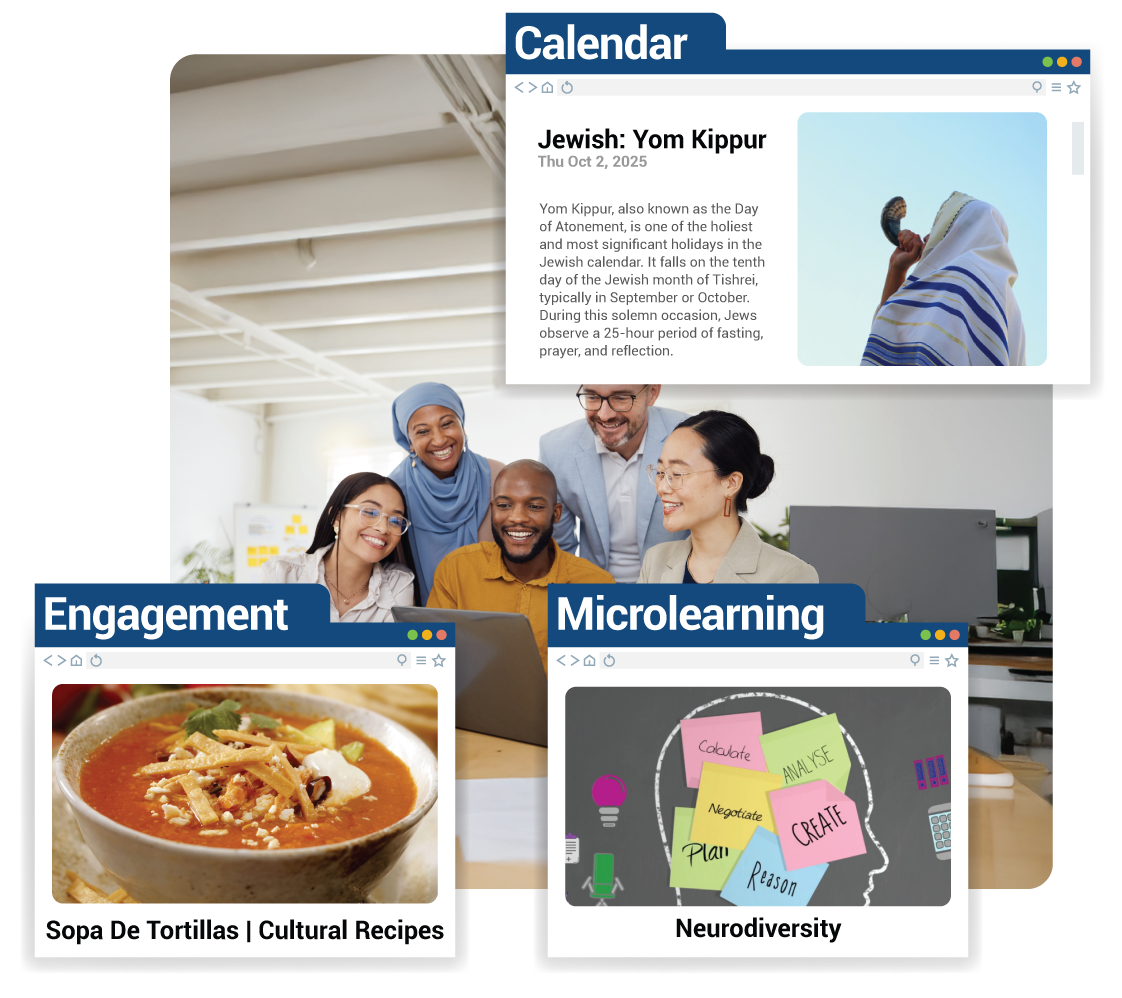
Diversity calendar benefits go beyond dates as a great diversity calendar should include suggestions and materials for celebrating events. These encompass suggestions for foods enjoyed during these celebrations, and recipes recipes that encourage participation from all employees. This fosters creating a more culturally competent workforce in an increasingly global marketplace.

Awareness of diverse events and their significance to various people is not a luxury but a necessity. Without it, organizations miss opportunities to improve employee engagement with the company’s mission, and to leverage each person’s unique contribution to bolster the organization’s competitiveness.

So, embrace the power of a comprehensive diversity calendar and embark on a journey toward a more inclusive and culturally aware workplace.

Diversity Calendar Benefits FAQs

Why is a Diversity Calendar important to building a diverse workplace?
A Diversity Calendar is important because it helps organizations acknowledge and celebrate the cultural, religious, and social diversity of their workforce. It serves as a practical resource to plan and promote events, holidays, and activities that honor different backgrounds and traditions. By doing so, it demonstrates a commitment to inclusivity, fosters a sense of belonging, and reinforces that diversity is not just acknowledged but actively embraced in the workplace.

What is diversity awareness in the workplace?
Diversity awareness in the workplace refers to recognizing and understanding the various dimensions of diversity among employees, including but not limited to race, ethnicity, gender, age, religion, sexual orientation, and abilities. It involves acknowledging and valuing these differences and promoting an inclusive culture that respects and appreciates the unique perspectives and contributions of each individual.

What are the benefits of diversity awareness in the workplace?
Diversity awareness in the workplace brings several advantages. It enhances teamwork and collaboration by leveraging diverse perspectives, leading to more creative problem-solving. It reduces unconscious bias and discrimination, creating a fair and equitable environment. It also attracts and retains a more diverse talent pool, which can improve an organization’s reputation and competitiveness.

Understanding Diversity, Equity, Inclusion, and Belonging

Diversity, equity, inclusion, and belonging have become critical elements in today’s workplaces. As organizations strive to create more inclusive environments, understanding the significance of these concepts is essential.

Looking to stay informed about important diversity events? Check out our Diversity Calendar  or Canada Diversity Calendar for upcoming celebrations and observances.

What is Diversity?

Diversity is a simple term that carries a lot of weight and history. Generally defined, diversity refers to the practice of involving people with different backgrounds or identities, such as race, culture, religion, gender, sexual orientation, age, and disability. A diverse workplace welcomes people with a variety of identities and a variety of backgrounds.

Why do we need Equity and Inclusion too?

While diversity has been commonly used as a catchall phrase, it doesn’t fully capture the complete picture. Often, addressing diversity issues was done only superficially, with quotas, surface level requirements, and other performative gestures that don’t fully bring everyone to the table. Equity and Inclusion are separate but related concepts which deepen and broaden the practices of diversity. These three components, often abbreviated as DEI, work together to create a more inclusive environment.

What is Equity?

Equity has gained prominence as a key word in recent years alongside diversity. Equity refers to equal opportunity, access and treatment for everyone, regardless of background and identity. In practice, equity also refers to actions taken to identity and remove systemic obstacles faced by certain groups, such as providing reasonable accommodations for people with disabilities. An equitable workplace recognizes variety and doesn’t impose one-size-fits-all systems that benefit one group above others.

What is Inclusion?

Inclusion, like equity, has become an important word in recent years. The concept involves actively bringing people to the table, welcoming a variety of voices, and encouraging collaboration. An inclusive workplace actively fosters understanding of and engagement with everybody.

What about Belonging?

Recently, the term Belonging is also gaining traction in DEI conversations. You can build a diverse team, treat them fairly, and include them in decisions, yet people may still feel isolated or excluded – an issue which Covid has shined a bright light on. Fostering Belonging involves synthesizing all the concepts introduced above, and finding where DEI meets engagement, passion and community. Belonging is a state of involvement where all members feel valued, appreciated, respected, and they are at “home” with their colleagues.

Adverse times can often catalyze great changes for the better, and the ongoing conversations about the workplace in the wake of the pandemic are exactly one of those times. Efforts to foster Diversity, Equity and Inclusion are not only supported by a strong moral case but also a strong business case. Many firms and organizations now have roles dedicated to the DEI movement as they realize the benefits of diversity. Managers and leaders who implement DEI and put belonging at the center of the culture are not only doing something ethical, but doing something that builds a strong organization.

Ready to enhance diversity and inclusion in your workplace? Explore our comprehensive Online Diversity and Inclusion Training tailored to empower your team.

Top 3 Reasons to Foster Inclusive Leadership

Today, organizations strive to embrace diversity by fostering teams with various backgrounds and perspectives. However, this alone is insufficient. For the best results, inclusive leadership is essential in making team members feel inspired and respected.

Recent research shows that inclusive leadership isn’t just a “nice to have,” but a must for those who want to advance their performance.

According to Deloitte, teams fostering inclusive leadership are:

  • 17 percent more likely to report high performance
  • 20 percent more likely to say they make high-quality decisions
  • 29 percent more likely to report behaving collaboratively

If you’re seeking similar favorable outcomes, here are a few more reasons why cultivating inclusive leadership is crucial.

Stay informed with our equality and diversity calendar 2024 and celebrate important religious and cultural events throughout the year.

Inclusive leadership allows you to connect with team members

Connections are the links that bring people together. They allow us to build social and emotional bonds that help us gain information and enhance workplace performance. When employees feel connected to one another and their managers, they’re more likely to be satisfied with their roles.

Inclusive leadership is built on the foundation of reaching out to others, asking about their experiences, and actively listening. When you implement a model of inclusive leadership, you show them that their perspectives matter, and you want them involved in the future of the organization.

Inclusive leadership helps your team feel more comfortable

As an inclusive leader, you should take the time to learn about each of your employees. Acknowledge them as individuals and understand how they like to be supported, especially according to cultural differences and customs. When you practice cultural competency, you can help make your team feel more comfortable and supported in their roles, which enhances both loyalty and productivity.

As you’re prioritizing inclusive leadership, you should also note how you should not act in the workplace. For instance, being very direct or overpowering can often be off-putting to employees, and it can also limit the contribution of certain parties to the conversation. This is exactly what you’re trying to avoid in inclusive leadership.

Likewise, you should avoid discounting any alternative views. When you’re vocal about your own strong opinion, it can make it feel risky for team members to bring forward opposing viewpoints and threatens any diversity-of-thought environment you’re attempting to cultivate.

Inclusive leadership reveals your organization’s blind spots

In the past few years, society has been met with a harsh reality regarding the state of racial justice in our world. While we may have previously lived in delusion, we’ve been forced to face and address this issue head-on because of the footage captured on smartphones and blasted all over social media. This technology revealed a blind spot that many were oblivious to.

Similarly, inclusive leadership can bring blind spots to light. It prompts you to reflect on your own shortcomings and limitations, and reveals any unconscious bias you may have. It asks you to reach out to others and hear their experiences. It helps you become better equipped to take meaningful actions and accessible to all employees.

Final Thoughts

Being an inclusive leader gives you the power to harness a diverse team. When you implement this strategy in your organization, you’ll see the results in the performance of your teams.

Ready to foster inclusive leadership? Explore our Diversity and Inclusion Training and empower your team to thrive in a diverse and equitable workplace.

Can Politicians Ban Diversity Training?

First Former President Donald Trump, now Florida Governor Ron DeSantis. Back in 2020, just months before the presidential election, Trump banned federal agencies from conducting any cultural sensitivity training. His claim? They were “divisive, anti-American propaganda.”

Now, two and a half years after Trump was booted from office, controversial Governor DeSantis is up to the same antics, and it begs the question. Can politicians ban diversity training? And if they really can, why are they doing it?

Donald Trump vs. Diversity Training

Diversity, equity, and inclusion (DEI) have now become an entire industry that’s added thousands of jobs to the economy in the last five years. According to Harvard Business Review, 60 percent of organizations now have a DEI strategy in place, and that number is only climbing. Yet, that hasn’t stopped high-level politicians — all the way up to the former president — from trying to derail the work that these programs do.

In September 2020, President Trump made an announcement aimed at federal agencies, instructing them to “stop racial sensitivity training” funded by taxpayer money. In the memo, President Trump claimed that these sessions foster resentment in the workplace and that he doesn’t believe in systemic racism as an issue impacting the U.S.

Ron DeSantis vs. Diversity Training

In February 2023, Ron DeSantis stated his intention to ban state universities from allocating funds to DEI initiatives. He did that knowing that, without financial support, it will be difficult for these programs to run.

In the press release regarding the legislation, the governor’s office called DEI programs “discriminatory.” Furthermore, they vowed to prohibit universities from funding these programs even if the source wasn’t from the state. Then, on May 15, 2023, DeSantis followed through on his intentions and signed the bill into law.

The recent Stop WOKE Act also banned workplace exercises in diversity training as the Florida legislature believes it creates a hostile work environment.

The Hidden Agenda Behind Banning Diversity Training

When banning diversity training is done under the guise of “bringing people together” and “focusing on our similarities, not our differences,” it may sound like it has merit. But the efforts that DEI programs make in the workplace are valuable.

Yes, the processes that make DEI can cause people to have big feelings: defensiveness, doubt, guilt, shame, denial, resentment, pain, helplessness, and sadness. These can all be felt when confronting biases or while being on the receiving end of a bias. However, to process these feelings and sentiments, you must confront them. You cannot hide or ban them.

By banning a program — by saying “don’t talk about it” — these politicians are acting as barriers to building awareness of unconscious bias and cultural competency. These programs ultimately help employees feel more comfortable being their full and authentic selves in the workplace.

Final Thoughts

When he first took office on January 20, 2021, President Biden issued an executive order that revoked President Trump’s ban. But it hasn’t stopped DeSantis, who has used his power in Florida to ban this within the state.

With at least 25 states considering legislation or other steps to limit how race and racism can be taught, it’s that much more important that we have strong DEI programs in place to help people navigate their complex identities in the workplace.

Are you interested in promoting diversity, equity, and inclusion in the face of opposition? Our Diversity, Equity, and Inclusion Training Suite provides the tools and strategies to navigate challenges and create a more inclusive workplace. You can also check out our equality and diversity calendar 2024.

How to Improve Cultural Competence in Healthcare – 7 Tips

Diversity is a factor in every part of our society and workplace, and its impact is especially pronounced in healthcare due to the universal need for medical services. The concept of cultural competence in healthcare becomes crucial here, as patients come from diverse backgrounds and belief systems. Unlike other sectors where not everyone needs every product or service, everyone needs healthcare, no matter their race, ethnicity, sexual orientation, or faith.

I am grateful to be partnered with a healthcare professional, Kelly, who will tell you that for many healthcare customers, a visit to an urgent care or hospital might be one of the most intense days of their life – or perhaps their last.

Because of this, religion is more likely to come into play. These factors highlight the importance of cultural diversity and cultural competence in healthcare. The industry needs healthcare diversity training in the workplace.

Cultural Competency Training in Healthcare

Diversity awareness training for health professionals has a clear objective: to provide the same standard of care to everyone, regardless of religion, culture, language, or gender identity. To do so, you must give your staff the tools they need to understand, to effectively communicate, and to interact with people across all cultures.

Let’s explore the key steps your healthcare organization can take to improve cultural competence in healthcare. Your staff should be educated, armed with resources, and have daily practices that foster a more culturally competent work environment.

#1 Assess Your Team.

Collect REAL (race, ethnicity, and language preference) information to start a plan to include all team members and provide a work environment that fits their needs. Cultural competence in healthcare training enables staff to be culturally competent. They’re also better prepared to understand the unique needs of other cultures.

Through online diversity training, your healthcare professionals can learn and grow the appropriate skills. Other powerful tools include diversity training videos and live diversity training services.

#2 Evaluate current programs.

If you already have diversity training in place, evaluate how effective your current training programs are. If you see gaps in your training, it may be time to look at a custom training program that focuses on cultural competence in healthcare.

With this custom plan, you can focus on areas where your staff needs help while also celebrating the triumphs your organization has made to become more culturally competent.

#3 Open-Door Policy

When employees feel comfortable sharing their concerns or suggestions regarding their workspace, they will become more productive and feel accepted.

#4 Daily Practice

Management needs to take an active role in the daily building of an accepting and culturally competent workplace setting. Every day presents opportunities for growth, and your management team needs to understand how to teach cultural competence in healthcare.

#5 Try a Diversity Calendar

Cultural competency in healthcare gives your management team the tools they need for daily inclusion. A diversity calendar is essential for management and staff for both respectful scheduling and diversity celebrations.

#6 Respectful Scheduling

When your management staff is empowered with a diversity calendar, they’re able to respect the scheduling needs of all staff based on their culture. For example, your teams will know not to schedule Jewish healthcare team members during key holidays such as Passover or Rosh Hashanah.

#7 Heritage celebrations

Celebrate the differences between your staff and patients by celebrating heritage months and days. By following a diversity calendar, your staff can plan culturally appropriate celebrations for Black History Month, Kwanzaa, Hanukkah, and other interfaith and religious celebrations. An interfaith calendar is especially beneficial for this.

Cultural Competence in Healthcare Examples

There are many examples of how this cultural competence in healthcare can benefit your medical staff. Here are a few.

Dietary Considerations

Healthcare staff should be trained in the dietary and religious needs of their patients. Many cultures have special dietary considerations that should be noted. For example, ensure your staff doesn’t offer pork or shellfish to Jewish or Muslim patients.

Religious Considerations

If your workplace offers a chaplain, consider adding a rabbi, imam, and spiritual counselors of other religious affiliations to your on-call staff. Have the appropriate type of religious leader available for patients in crisis and for your staff.

Prayer Facilities

Many healthcare facilities are replacing chapels with interfaith worship spaces to serve the needs of more religious preferences. A non-denominational prayer and meditation room can serve as an inclusive sacred space for staff and patients of all religious backgrounds.

Learn about medical awareness months 2024 here.

FAQs

What is cultural competence in the healthcare system?
Cultural competence in healthcare has to do with the ability of a system to offer proper and compassionate care to patients with diverse beliefs and values.

Why is cultural competence in healthcare important?
The common goal of cultural competence in healthcare is to reduce any disparities, whether economic, racial, gender, or ethnic, when working to meet someone’s healthcare needs.

What are some cultural competence strategies to implement?
First, you must learn about your culture and any unconscious biases you have that may affect the care you give. Next, actively listen to learn what changes can be made. Also, participate in events or holidays that are different from your beliefs to learn about others.

Best LGBT Films

The LGBTQ+ rights movement has often taken place on stage, in music, and on-screen, with many pivotal chapters and changes being ushered in or celebrated by watershed moments in the arts and entertainment. Film is a medium that has allowed for emotional storytelling and self-expression from a community that often felt silenced, and also a medium for broadening perspective and fostering acceptance in a society that hadn’t always been tolerant.

While not a comprehensive list, here are 10 LGBT films that stand out for their cultural impact and legacy in the LGBTQ+ storytelling and rights movement. They could be helpful when learning how to create a more LGBTQ-inclusive workplace.

LGBT Films

The Boys in the Band (1970)

One year after the 1969 Stonewall riots which proved a huge stepping stone in the gay rights movement, drama film The Boys in the Band was released. It is often considered the first genuine attempt by Hollywood to make a film for gay audiences that portrayed gay characters in an honest light and is now considered a major milestone in queer cinema.

Carol (2015)

Ranked by the British Film Institute as the best LGBT film of all time, Carol is a period drama about a forbidden affair between two women in 1950s New York. It received a ten-minute standing ovation after its screening at the Cannes Film Festival but was notably excluded from nominations at that year’s Academy Awards, which many critics attributed to its overtly gay themes.

Milk (2008)

Milk is a biographical film that tells the story of politician and gay rights activist Harvey Milk, who became the first openly gay person to hold office in the state of California, his career, and eventual assassination. The film was lauded by critics and brought a chapter of the gay rights movement to new levels of recognition and support. It went on to garner 8 Oscar nominations.

Moonlight (2016)

Moonlight tells the story of Chiron, a gay Black man, through three chapters in his life. The drama received critical acclaim for its immediate, arresting filmmaking and raw emotionality, and went on to win Best Picture at the 89th Academy Awards.

Philadelphia (1993)

Starring Tom Hanks in an Oscar-winning performance, Philadelphia is a legal drama film that is credited as one of the first major motion pictures to tackle homophobia and the HIV/AIDS crisis. Since the beginning of the crisis in the early 80’s, mainstream American culture had often downplayed or dismissed the extent of the pandemic. Its portrayal on the big screen was part of the tide turning towards understanding, and away from homophobia and dehumanization.

Brokeback Mountain (2005)

Throughout the ’90s and early 2000s, LGBTQ+ representation in film was often either campy films for niche audiences or characters in mainstream films who were stereotypical or simply a punchline. This changed with Brokeback Mountain, a sprawling, deeply sincere film centered on the strained and secret love between two cowboys over two decades in the American West. It was met with acclaim, controversy, and censorship, became a benchmark in queer cinema, and is now considered a turning point for LGBTQ+ stories becoming mainstream.

The Adventures of Priscilla, Queen of the Desert (1994)

As described above, many gay films after the AIDS crisis and before Brokeback Mountain were often campy and niche, but that doesn’t mean they weren’t heartfelt, human, and groundbreaking in their own right. The Adventures of Priscilla, Queen of the Desert is an Australian comedy about two drag queens and a transgender woman who embark on a road trip after accepting an offer to perform a show at a casino. Priscilla was praised for its portrayal of LGBTQ+ characters in a positive light and credited with elevating queer stories to the mainstream. It even starred Hugo Weaving in one of his earlier roles.

Call Me By Your Name (2017)

Call Me By Your Name, based on a book of the same name, tells the story of a teenager living with his family in 1980s rural Italy who begins to form a connection with a graduate student who comes to stay with his family over the summer. The film received praise for its cinematography as well as its nuanced navigation of identity, love, coming of age, and newborn desire.

Paris is Burning (1990)

A groundbreaking documentary chronicling the spirited, defiant ballroom culture of queer New York in the 1980s. Paris is Burning captured forms of dance, aesthetics, and lingo that are hallmarks of queer history and influence pop culture today.

Love, Simon (2018)

A heartfelt, coming-of-age high school story. Teenager Simon struggles with his identity and how to express himself to the world around him, finding connections in unexpected places. Simon was noted for portraying gay characters and relationships in an uplifting and romantic light, whereas many LGBTQ+ films have often focused on tragedy and alienation.

About Our LGBT Online Training

Our 15-minute LGBT online training course introduces employees to the challenges that members of the LGBTQ+ community face in the workplace. Taking an LGBT ally training teaches how you can develop positive relationships with your LGBTQ+ colleagues. This LGBT training resource provides helpful resources including how to learn how to be an ally to others while avoiding stereotypes. This LGBT training in the workplace helps prevent workplace discrimination and harassment while helping to transform your team into allies for the community.

Resources like these and LGBT films help foster a culture of understanding that is important in both the workplace and society too.

LGBT Inclusion Issues FAQs

What does inclusion mean in LGBTQ?
Every person regardless of their gender identity, sexual orientation, or expression. Everyone deserves equal access to services and opportunities in the workplace and beyond.

Why is inclusion important for LGBTQ?
LGBTQ+ inclusive education helps reduce the risk of anxiety, depression, and suicide in individuals who identify in the LGBTQ+ community.

Does inclusion mean equality?
Inclusion refers to someone’s experience whether in society or at work. Equality is defined as fairness and ensuring that everyone can succeed.

Sign In

Sign in to Diversity Resources