Facebook Pixel

Diversity is Diverse

You probably hear the word diversity thrown around several times a day in the workplace. But what does diversity actually mean? The truth is that diversity itself is diverse. In a social context, the definition of this word has a variety of meanings. To explore further, here are 8 different types of diversity that you should keep in mind when fostering DEI and diversity training in the workplace.

Race

Race is one of the first types of diversity that people think of because it’s so visible. Although race is widely considered a social construct by science, it allows people to group each other based on their physical appearance. A few general examples of race include Asian, Black, Latin, and Caucasian/White.
Religion

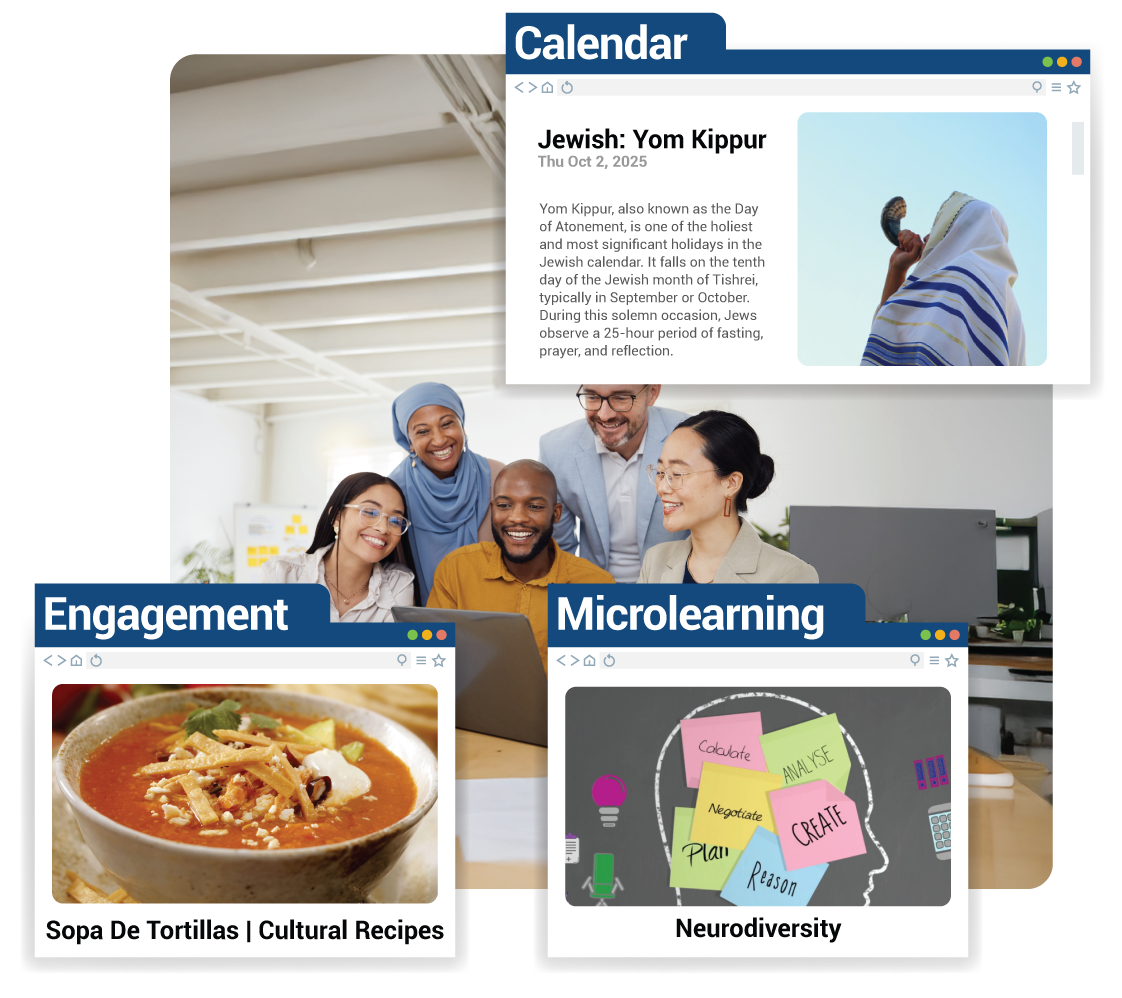
Religion is another type of diversity that highlights the various spiritual belief systems that may be present in a group. Discover more interfaith observances and events with our 2023 Interfaith calendar

Cultural

Cultural diversity relates to how people’s heritage and culture of origin might shape their outlook. Everyone has unique cultural diversity based on communal values and the society in which they were raised. Examples of cultural diversity include Chinese, German, Mexican and many more.

Sexual Orientation

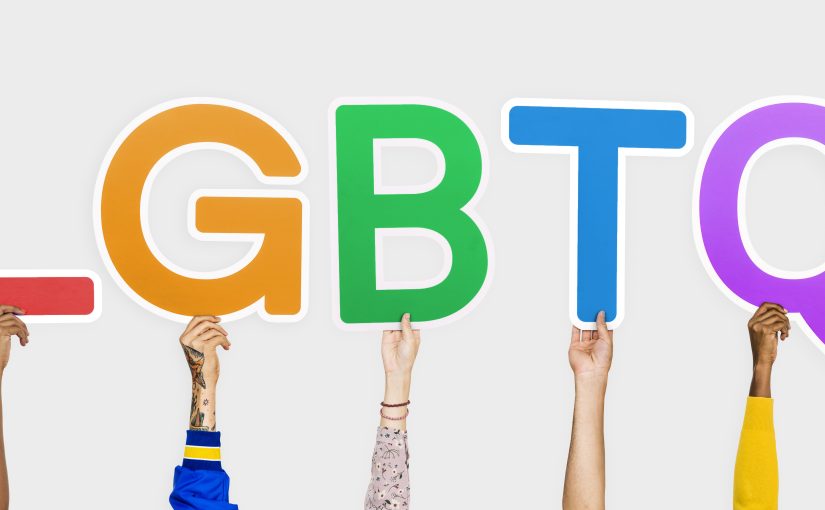
Sexual orientation is one’s identity concerning the gender(s) that they’re sexually attracted to. They may identify as heterosexual, lesbian, gay, bisexual, pansexual, asexual, questioning, etc.

Looking to foster a sense of inclusion at the workplace? Explore our LGBT Training in the Workplace

Gender

Gender is a social construct that includes the norms, behaviors, and roles associated with men and women. We communicate gender in a variety of ways in society — in our dress, movement and hairstyle, as well as the way we interact with others. However, there are now newer views on gender that expand this identity beyond just men and women, allowing people to identify as gender fluid, transgender, genderqueer, etc.

Age

This can also be referred to as generational diversity in the workplace. Age diversity is present when there are people of different ages working together, including Millennials, Gen Z, Boomers, Gen Xers, etc. Age is a key factor that impacts how people relate to one another.

People with Disabilities

This type of diversity includes those with disabilities or chronic conditions. These conditions could range from mental to physical. To include anyone with these conditions, companies must make reasonable accommodations to help individuals with disabilities integrate into the workplace.

Mental Health

Mental health refers to an individual’s emotional, psychological, and social well-being. It impacts how someone thinks, feels and acts. It’s also a critical type of diversity to address in a workplace setting because it impacts employee performance.

Final Thoughts

Diversity isn’t just the physical features that are easy to identify on the surface. And inclusion is more than just ensuring people with diverse appearances feel included. Inclusion is about celebrating people’s differences in background, religion, sexual orientation, and much more. One ways to achieve this, 365, is to align your company calendar with a diversity calendar.

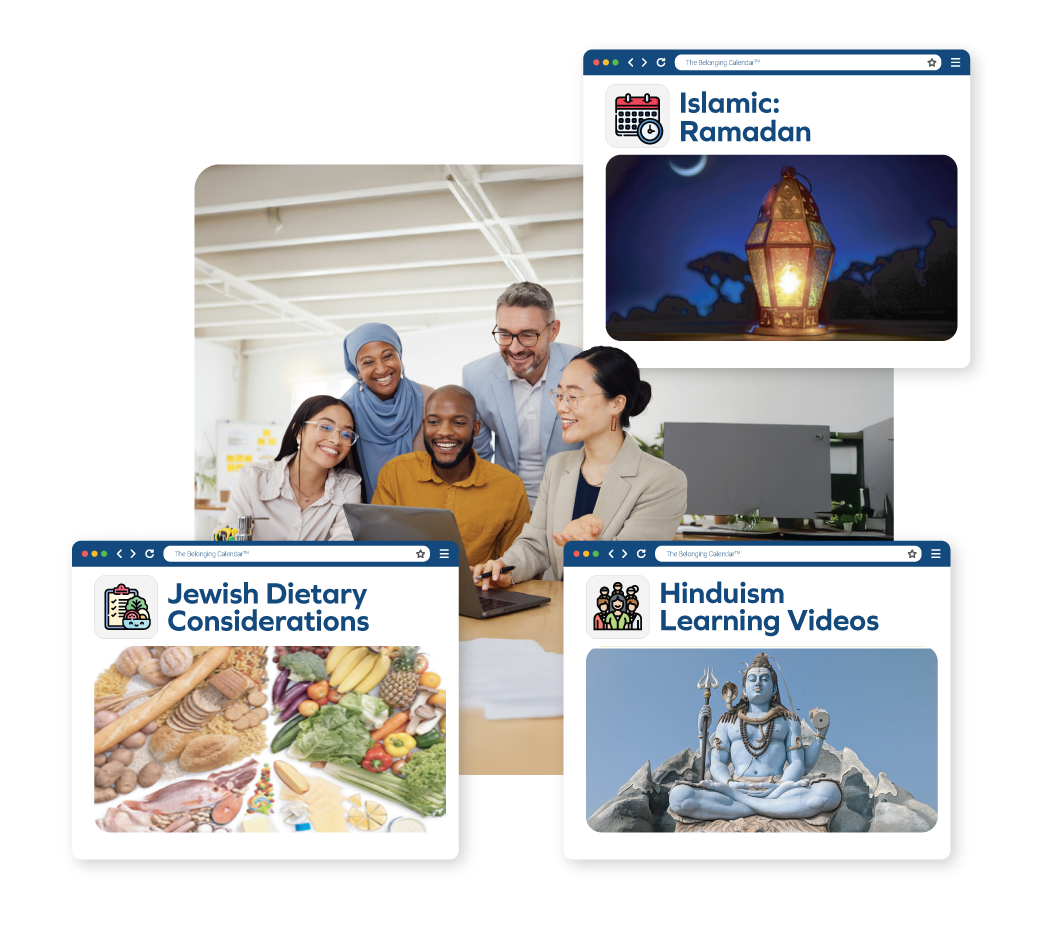
Respectful scheduling is an essential component of inclusion and belonging. For tips, see our 2023 Diversity Calendar, as well as our 2023 Interfaith Calendar.

FAQs

What is diversity and inclusion in the workplace?
Diversity and inclusion in the workplace refer to creating an environment where people from various backgrounds, such as different races, ethnicities, genders, sexual orientations, abilities, and ages, feel welcome, valued and respected. Diversity acknowledges the existence of differences among employees, while inclusion ensures that these differences are embraced and integrated, allowing everyone to contribute their unique perspectives and talents to the organization.

What are the benefits of diversity?
Diversity brings many advantages to an organization. Firstly, it enhances creativity and problem-solving by incorporating a wide range of perspectives and ideas. Secondly, diverse teams are better equipped to understand and serve diverse customer bases. Thirdly, it boosts employee morale and engagement, as people feel valued and included, leading to higher job satisfaction and retention rates.

Why is diversity and inclusion important in the workplace?
Diversity and inclusion is crucial in the workplace because it creates a positive and equitable work environment where all employees can reach their full potential. By embracing diversity, organizations can access a broader talent pool and attract top candidates from different backgrounds. Inclusive workplaces also promote collaboration, reduce discrimination, and encourage open communication, leading to higher levels of employee engagement and teamwork. Additionally, a diverse workforce reflects the society it serves, strengthening the organization’s reputation and relationship with its customers and communities.

How to accommodate diversity in the workplace?
Accommodating diversity requires a comprehensive approach. Firstly, create inclusive policies that prevent discrimination and promote equal opportunities. Secondly, providing diversity and inclusion training. Thirdly, creating employee resource groups can offer support and a sense of community to underrepresented groups. Lastly, encouraging open communication and feedback from employees about their experiences can help identify areas for improvement.

What is cultural diversity in the workplace?
Cultural diversity in the workplace refers to the coexistence of employees from various cultural backgrounds, including different customs, traditions, languages and beliefs. Embracing cultural diversity means recognizing and respecting the uniqueness of each culture while promoting collaboration and learning among employees. This inclusive environment enables everyone to share their cultural experiences, enriching the organization as a whole.

How to manage cultural diversity in the workplace?
Effectively managing cultural diversity involves creating an inclusive culture that celebrates differences and promotes intercultural understanding. Organizations can achieve this by providing cultural competence training to employees, which enhances their ability to communicate and collaborate across cultures. It’s crucial to establish clear policies against discrimination and create a workplace culture that actively values diversity. Additionally, promoting diverse leadership can ensure that the organization’s actions align with its commitment to cultural diversity.

Diversity Issues in the Workplace

Companies looking to increase diversity and inclusion must first look inward, and understanding current diversity issues is the first place to start. Below, we’ll explore the most common diversity issues in the workplace and how to solve them.

Current Diversity Issues

If you’re creating a diversity and inclusion program, you will want to start by looking at your organization’s own diversity issues. Unfortunately, many organizations have no idea where to start. To help you, we’ll discover five significant diversity issues in the workplace. Explore each of these and reflect on whether these are areas for improvement for your business or organization.

1. Communication Issues

In just about every workplace, communication issues can be common, ranging from insensitive to downright offensive. Ensure that employees know the point persons they can address if they have any concerns or questions.

In a diverse workplace, English might not be the first language of an employee. In that case, communication can be an even bigger barrier to productivity, inclusion, and morale. Help alleviate any stigma or marginalization that comes with this lack of understanding.

2. Sexual Harassment

Statistics reveal about 60 percent of women have experienced unwanted advances or sexual harassment at work. Even top companies like Uber have had their fair share of bad diversity and inclusion press from this very issue.

This shows that all businesses still have a long way to go with their diversity and inclusion efforts. Wondering how you can solve this diversity issue in the workplace? We suggest creating open lines of communication between employees and leadership teams to encourage people to speak out against – and report – harassment as it occurs.

3. Unconscious Bias

The problem with unconscious bias is that it often goes unnoticed. Employees are often oblivious that it’s a factor. For example, hiring managers might discriminate against candidates based on demographic factors. Fortunately, this is something your company can directly address with unconscious bias training. Remember, lack of training only results in bad PR, employee turnover, recruiting difficulties, and lawsuits. Address these issues with unconscious bias online training.

4. Diversity Without Inclusion

The words diversity and inclusion go hand in hand, and there’s a reason why. While many organizations work hard to increase their diversity, they fail miserably at making each of their employees feel included and belonging, and as if they can be their authentic selves in the workplace.

Fostering diversity without inclusion can potentially do more harm than good. Yes, it’s important to attract diversity, and then foster awareness and respect for those differences. Are you doing enough on this front? A quick, budget-friendly solution is online inclusion and diversity training.

5. Generational Differences

Age isn’t always just a number — especially in the workplace. Different generations have diverse working styles, and age diversity presents its own unique issues in the workplace. You’ll encounter communication differences, varying work speeds, and distinct definitions of success depending on the person. Examining this gap and bridging generational diversity can be very rewarding.

Looking for diversity and inclusion activities in the workplace? Check out our blog post.

Learn How to Resolve Diversity Issues in the Workplace

Let’s face it, these current diversity issues won’t go away overnight. However, there are ways you can address these problems and seek solutions by ramping up your diversity and inclusion program. Enhancing a diversity and inclusion program is one of the best ways to improve your company’s culture and establish a sense of belonging among all your employees.

Stay updated with our Diversity and Inclusion Calendar or our Canada Diversity Calendar for Canadian organizations. At Diversity Resources, we offer the world’s best selection of tools for diversity training.

FAQs

What are some of the biggest diversity issues in the workplace?
Some common challenges and diversity issues in the workplace include communication issues, gender equality, disability discrimination, conflicting beliefs, and generational differences.

What is one example of a diversity issue in the workplace?
Workplace discrimination is a common diversity issue that is felt by a certain group or individual due to their sex, identity, race, county of origin, disability, mental wellness, or marital status.

What are some common challenges associated with workplace diversity?
As you work to diversify your team, you may see more bias or discrimination. Have an open-door policy where team members feel comfortable enough to report any incidences as they occur to leadership.

How to Deal With DEI Pushback

Surprisingly, even today, it is not uncommon for higher-ups or colleagues to question or even to criticize DEI programs. Sometimes this DEI pushback may come from department heads or other leaders in a company, which can be detrimental to your mission for inclusion at work.

As a leader of DEI strategy, it’s important that you feel confident navigating these difficult conversations. One of the key factors for a DEI program’s success is how well you have implemented the program into your organization’s mission. as well as the level of support you have. If either of these things is missing, it could impact your reach and success.

Preparing for DEI Pushback Conversations

There are two parts to this approach. First, you must help people understand the direction of the business or organization and explain the impact you want to make. Second, you will want to educate them about the journey and how DEI programs create value for businesses.  Lastly, it’s important to explain the cost of not having a DEI program, perhaps by showing how resources like a diversity calendar can help prevent workplace issues. Make sure to answer these questions compassionately, reinforcing that DEI efforts are non-negotiable for any business.

Tips for Responding to DEI Pushback

#1 Help people understand their emotions about changes

Sometimes people get upset when they don’t understand the mission. If this is happening at your work, take time to acknowledge their feelings and explain why the change was necessary.

#2 Establish accountability systems

To avoid future pushback, whether or not you’ve experienced any, establish accountability systems. Having higher-ups involved in all DEI initiatives will clarify what your business stands for and what it will not tolerate.

#3 Implement continuous training programs

Workplace diversity training, unconscious bias training, and other DEI training programs not only help your employees understand these important concepts but also ensure they’re on board with any initiatives in place. A shared understanding of diversity, equity, and inclusion terms allows your staff to  educate themselves and others when necessary.

Learn more about online diversity and inclusion training. A diversity calendar can help your organization to achieve its DEI goals.

FAQs

Why do people oppose DEI?
Opposition to Diversity, Equity, and Inclusion (DEI) initiatives often stems from a lack of understanding or fear of change. Some view DEI efforts as unnecessary or as a form of reverse discrimination. Misconceptions about DEI leading to lower standards or favoring certain groups over others also contribute to resistance. Additionally, there’s a belief among some that DEI initiatives can create divisiveness by overly focusing on differences rather than commonalities.

How do you overcome resistance to DEI?
Overcoming resistance to DEI involves education and communication. It’s important to clearly articulate the benefits of DEI, not just for marginalized groups, but for the organization as a whole. This includes highlighting how DEI initiatives drive innovation, employee engagement and business success. Engaging skeptics in open dialogues, providing diversity training, and sharing success stories can also help. Leadership commitment to DEI values, demonstrated through actions and policies, plays a crucial role in fostering an inclusive culture.

How to Measure ROI of DEI

Diversity, Equity, and Inclusion programs and initiatives are important for creating the more productive workplace. Measuring the return on investment (ROI) of these initiatives isn’t always easy, often because leadership may have neglected DEI efforts before any real change can be measured.

Challenges Associated With Tracking ROI of DEI 

Perhaps one of the biggest problems with measuring this ROI is that some benefits, like a sense of belonging or increased creativity, are abstract and difficult to quantify. While DEI programs aim to create a more inclusive workplace where everyone feels accepted, valued, heard, and respected, it’s not always easy to track whether this has actually occurred.

However, benefits like increased engagement, a more diverse talent pool, and higher retention rates are more easily tracked. Metrics used to measure effectiveness will inevitably vary depending on the mission of your organization, its size, the industry, and even the culture. For instance, a small startup might focus on employee engagement surveys, while a large corporation might look at diversity in executive leadership roles.

How to Successfully Measure ROI of DEI

Measuring ROI for DEI is challenging but possible. Here are some effective ways to gauge the success of your DEI initiatives.

Surveys

Regularly asking your staff for feedback can help your organization understand how employees feel about your DEI programs and efforts. Questions should cover  their experiences with DEI training, the effectiveness of DEI programs, and whether they believe that your organization prioritizes these efforts.

Try to create short and straightforward surveys to encourage more involvement. More frequent surveys will allow you to track any trends in regard to employee engagement and satisfaction with certain DEI events or the use of a diversity calendar.

Exit Interviews

A high employee turnover rate can be costly, so one way to track if your DEI initiatives are working is to track employee retention. Use exit interviews, preferably by a neutral third party, to get valuable, candid feedback.

Internal Metrics

Consider metrics like the percentage of employees in leadership roles from diverse backgrounds, the diversity of job applicants, and the demographics of your workforce. Metrics should also cover the inclusivity aspect, to ensure that you’re not just counting numbers but making a meaningful impact.

How Having a Diversity Calendar Helps You Achieve DEI Program Success

A Diversity Calendar helps create a sense of belonging and acceptance while  allowing staff to learn about different cultures. Pairing your diversity calendar with training sessions can amplify its impact and contribute to the overall success of your DEI programs.

Measuring the ROI of DEI initiatives is essential for understanding their effectiveness and making data-driven adjustments. Businesses should not shy away from this challenging yet crucial task. By taking the time to measure the impact, you can ensure that your organization is maximizing the benefits of these valuable initiatives.

FAQs

How is the ROI of DEI efforts measured?
The Return on Investment (ROI) of Diversity, Equity, and Inclusion (DEI) efforts is measured by evaluating improvements in areas like employee engagement, innovation and market share. It also involves quantifying the cost savings from reduced turnover and better talent acquisition. Organizations often see a direct correlation between DEI initiatives and enhanced business performance, as diverse teams tend to foster more creativity and better decision-making.

Does DEI improve profits?
Yes, DEI can improve profits. Studies have shown that organizations with diverse workforces are often more profitable than their less diverse counterparts. This is attributed to a variety of factors, including the ability to attract top talent, improved employee satisfaction and retention, and a better understanding of diverse consumer markets. Diverse teams are also more likely to be innovative, leading to better problem-solving and a competitive edge in the market.

What is the business value of DEI?
The business value of DEI lies in its ability to enhance organization performance across various dimensions. This includes attracting and retaining a talented workforce, improving employee morale and productivity, fostering innovation, and expanding market reach. DEI initiatives help businesses better reflect and understand the diverse communities they serve, leading to more effective marketing strategies and customer relations. Ultimately, DEI contributes to a more positive corporate image and long-term sustainable growth.

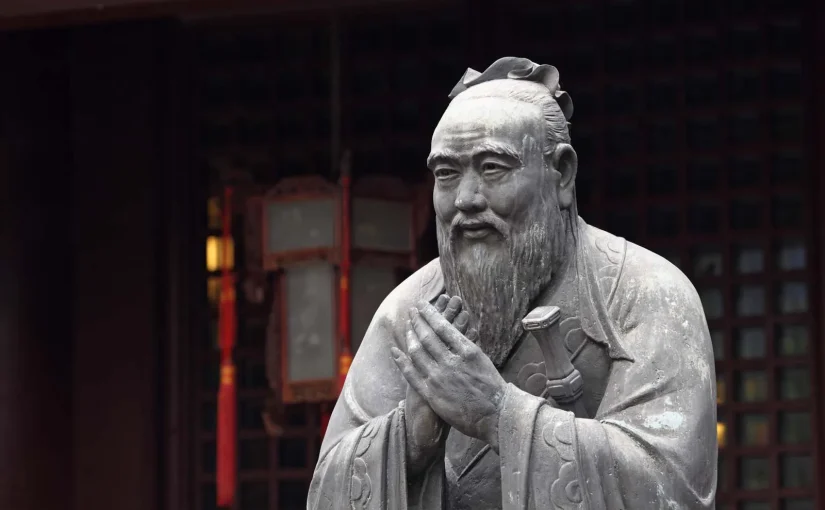
Confucianism Beliefs and Holidays

Rooted in ancient Chinese philosophy, Confucianism has profoundly shaped Chinese culture. This ethical and moral belief system, based on the teachings of Confucius emphasizes morality, ethics, and overall good behavior. Confucius, a revered teacher and philosopher, remains one of the most important figures in China and his ideas are continuously followed today, especially in China, Korea, Japan, and Vietnam.

Important Confucianism Holidays

Confucius’s Birthday

Celebrated annually on September 28, this day celebrates the life of Confucius with a 60-minute performance that includes dancing and musical performances. The Grand Ceremony Dedicated to Confucius is a way to pay respect to China’s ”First Teacher.” While it’s mainly celebrated in Qufu, his birthplace, the Confucius Temple in Taiwan also honors him. It’s a time to reflect on Confucian teachings and the importance of being sincere and honest to all humans.

QingMing Festival

To honor the deceased, families decorate and sweep gravesites while burning incense during this ancient holiday. It’s been celebrated for over 2,500 years and aligns with the Confucian belief of piety to the ancestors. It takes place each year on the 15th day after the spring equinox.

Chongmyo Taeje

Celebrated on the first Sunday of May, this memorial ceremony honors all the royal family of the Yi Dynasty. Rites are performed annually to pay homage to the royal lineage. Many royal descendants wear traditional robes and take part in the celebration, which includes music and dance too.

Ching Ming Festival (Qingming Festival)

During this Spring season celebration, families visit the tombs of their ancestors to sweep and decorate their gravestones with flowers.

Final Thoughts

We hope that our list of important Confucian religious days is useful for you when considering inclusive scheduling. This allows these important days to be recognized so that all of your staff, regardless of the religion they follow, feel a sense of belonging.

In addition to this list of Confucian holidays, you can also explore our 2024 Interfaith Calendar which includes highlights of all major religious holidays and religious festivals throughout the year. To see all 200+ religious holidays, subscribe to our interactive DEI Calendar.

FAQs

What are the main holidays of Confucianism?

The most important Confucianism holidays include the Ching Ming Festival, Confucius’ Birthday, and the National Day of Purification. These holidays not only honor Confucius and his teachings but also emphasize values such as piety, respect for ancestors, and the importance of rituals in maintaining social harmony. Participating in these observances allows followers to connect deeply with their cultural heritage and the principles of Confucianism.

What are the four major beliefs of Confucianism?

The core beliefs include harmony between humans, justice, respect for one’s elders, and loyalty to one’s family and friends. These principles guide personal conduct, social relations, and governance, reflecting Confucius’ vision for a harmonious society. The emphasis on ethical living and moral leadership continues to influence various aspects of life and governance in cultures around the world.

What are the traditions of Confucianism?

Confucianism believes in living a life where you do unto others what you would want done to you. This principle, often compared to the Golden Rule, highlights the importance of empathy and moral integrity in interpersonal relationships. Rituals, education, and reverence for ancestors are also central to Confucian tradition, shaping the cultural practices and societal structures in Confucian-influenced societies.

Do Confucians celebrate Christmas?

Followers in China do not officially celebrate Christmas. However, the global spread of cultural practices means that some Confucians might partake in Christmas festivities, blending cultural traditions in a way that reflects the interconnectedness of modern societies. The focus on family and community during Christmas can resonate with Confucian values, even if the holiday itself is not part of traditional Confucian observance.

What are the four main principles of Confucianism?

The Four Cardinal Principles are righteousness (義), integrity (廉),  propriety (禮) or shame (恥). These principles form the foundation of Confucian ethics, emphasizing the importance of moral character and social harmony. Adherence to these values is believed to lead to personal fulfillment and societal stability, illustrating Confucius’ holistic approach to individual and communal well-being.

Benefits of Inclusion in the Workplace

There’s a lot of talk these days about diversity and inclusion programs in the workplace. Yet, while people often have a grasp of what diversity looks like and how to put it into action, inclusion can be lost and forgotten in the shuffle. In this blog, we’ll explore the b benefits of inclusion in the workplace, and how diversity and inclusion complement one another. Let’s get started.

What is Inclusion?

Inclusion is the state of being valued, respected, and supported for one’s authentic self. It is essential that the workplace embraces all employees as their authentic selves and finds ways to lift them up. To be your one true authentic self, you must first feel included. This will create a sense of belonging (we’ll explore this later).

Here are some ways diverse individuals can feel included:

  • If they are able to use their voice
  • If they are able to participate in the decision-making processes within a group
  • If they are able to increase the amount of power they have within the group
  • If they are able to feel like they belong

Why is Inclusion Important in the Workplace?

Many organizations have learned how to incorporate diversity into their workplace, but have failed on the inclusion front. The two are joined at the hip because, without inclusion, diversity efforts will not succeed. Here are a few examples of ways that you can help to create an inclusive environment.

  • Educating your staff and leaders
  • Listening and communicating effectively within the workplace
  • Embracing employees as their full and authentic selves

Ultimately, inclusion connects strongly to employee engagement. When you have employees who feel included in the conversations at work, they’ll feel more motivated to work hard for your company. It’s that simple.

Understanding the Difference Between Belonging and Inclusion

Inclusion focuses on actual behavior while belonging is the feeling someone gets as a reaction to those behaviors. For employees, this may be that they are happy about changes that are being made. This sense of belonging results from feeling like they are understood and accepted. Remember that these two important DEI terms aren’t meant to be interchangeable, they have their own very distinct meanings.

Benefits of Inclusion in the Workplace

Are you wondering why there’s so much buzz around the four key types of diversity training in the workplace? Not only do they benefit your employees, but your company’s bottom line as well.

Here are some of the top benefits of inclusion in the workplace.

  • Happier employees
  • Creates a culture to grow in
  • More educated and skilled workforce
  • Captures a greater market share
  • Helps you both recruit and retain higher-quality diverse candidates
  • Makes your employees more productive
  • Drives momentum behind your DEI program, which includes more voices.

Final Thoughts

Take a step back and ask yourself, “What am I doing that promotes inclusivity at my company and in my workplace?” Most employees and managers don’t have a good answer. Tackle this issue today! It impacts and benefits everyone.

Boost your inclusion and belonging, with inclusion opportunities and respectful scheduling. For inclusion ideas, see our 2024 Diversity Calendar, as well as our 2024 Interfaith Calendar.

Benefits of Inclusion in the Workplace FAQs

What’s the value of inclusion?
Diversity is inclusion’s biggest value as it allows for the chance for people to have meaningful relationships in the workplace.

What are some of the most important values associated with inclusion?
To have a truly inclusive work culture, people must feel understood, valued, and respected. They must feel they have support when needed too. One benefit of inclusion in the workplace is creating a sense of belonging that allows them to be more productive.

How can I show inclusion in the workplace?
First, you should speak up about things that matter to you, especially things relating to diversity and inclusion. Also, think about how you communicate and use inclusive language. Consider someone’s pronouns before communicating too. Be sure to challenge any unconscious biases or stereotypes to create a positive work environment.

Shintoism Beliefs and Holidays

Shintoism, the oldest Japanese religion, centers around nature, worshiping ancestors, and kami — sacred powers in the cosmos that are worshiped in shrines. This animistic and polytheistic faith believes in the sanctity of all living beings, from humans and animals to trees and oceans.

Shintoism doesn’t have founders, prophets, gods, or any major texts outlining its beliefs. Its influence is deeply ingrained in Japanese culture, emphasizing purity, harmony, fertility, solidarity, reverence for nature, and the belief that the souls of the dead can impact the living.

Important Shintoism Holidays

Nara Yamayaki

In January at twilight, the grass of the Naga hillside is burned by people wearing warrior costumes to celebrate the resolution between two local temples. This signals the beginning of Spring.

Kasuga Matsuri

Held in March to honor the Kasuga shrine, this festival features ritual dances and music.

Kanda Matsuri

Taking place in May, floats filled with dancers and portable shrines are paraded throughout Tokyo to honor deities or kami at the Kanda shrine. It commemorates the victory at the Battle of Sekigahara. It’s celebrated in odd-numbered years.

Sanno Matsuri

Occurring in June in even-numbered years, this festival honors the nation’s new rulers. The Shinkosai, a procession that begins and ends at the Hie-jinja Shrine, weaves throughout Tokyo for nearly nine hours.

Gion Matsuri

Throughout the entire month of July, Kyoto celebrates Gion Matsuri with large floats accompanied by musicians. It started as a purification ritual during a plague outbreak, which people believed was caused by spirits.

Aomori Nebuta Matsuri

Taking place in early August, this summer festival features paper floats of famous people along with singing and dancing. It’s believed that its origins come from the parade float figures used to attract enemies to the front of the battlefield.

Chichibu Yomatsuri

Each December, Chichibu deities are celebrated with parades followed by fireworks.

Final Thoughts

We hope that this list of important Shintoism holidays is helpful when considering the scheduling needs of your staff. In addition to this list, we also have an Interfaith Calendar 2024, which includes highlights of religious holidays and festivals for all world religions. For all 200+ religious holidays, try out our Online Diversity Calendar.

FAQs

What are the major holidays of Shintoism?

Some of the major religious holidays in Shintoism include Matsuri and Rei-sai. Matsuri, which means festival or holiday in Japanese, encompasses a wide range of celebrations dedicated to various kami (deities or spirits). Rei-sai is a grand festival often held at Shinto shrines to honor a specific kami, featuring rituals and ceremonies that strengthen the bond between the kami and the community.

What do Shinto festivals celebrate?

In the spring, they celebrate a bountiful harvest while the fall festivals thank the deity for the past season’s crops. In summer, they pray for a safe season without misfortune or disasters. These festivals reflect the deep connection Shintoism has with nature and the cycles of the year, embodying gratitude and reverence for the kami.

What are some of the major beliefs of Shintoism?

The main beliefs of Shinto include respect for nature and one’s family and the importance of being pure. Shintoism emphasizes living in harmony with the kami and the natural world, highlighting the sacredness of all life. Ritual purification, or misogi, is a key practice, symbolizing the cleansing of impurities and the renewal of the spirit.

What isn’t allowed in Shintoism?

Anything that would disturb kami or the harmony of the world is prohibited. This includes acts that pollute the environment, disrupt social order, or violate moral principles. Shinto practices encourage mindfulness and respect in interactions with both the natural world and fellow humans to maintain balance and purity.

Taoism Beliefs and Holidays

Taoism is an ancient Chinese philosophy and religion attributed to Lao Tzu, who authored the book “Tao Te Ching.” It became popular in the eighth century during the Tang dynasty. In the centuries to follow, it coexisted with Confucianism and Buddhism.

However, during the Communist takeover in the late 1940s, these religions were banned, which caused a decline in followers. Most modern Taoists live in Taiwan, although some do exist in China. Taoism uses the Chinese lunar calendar.

Teachings of Taoism

Taoism emphasizes the harmonious coexistence of humans and nature, seeking balance with the universe (Tao). Spiritual immortality is believed to occur when the body’s spirit joins the universe at death. Books like “Tao Te Ching” provide guidance for how to behave and achieve this harmony. Taoists don’t view this energy as a god, but as part of their belief system, which includes deities.

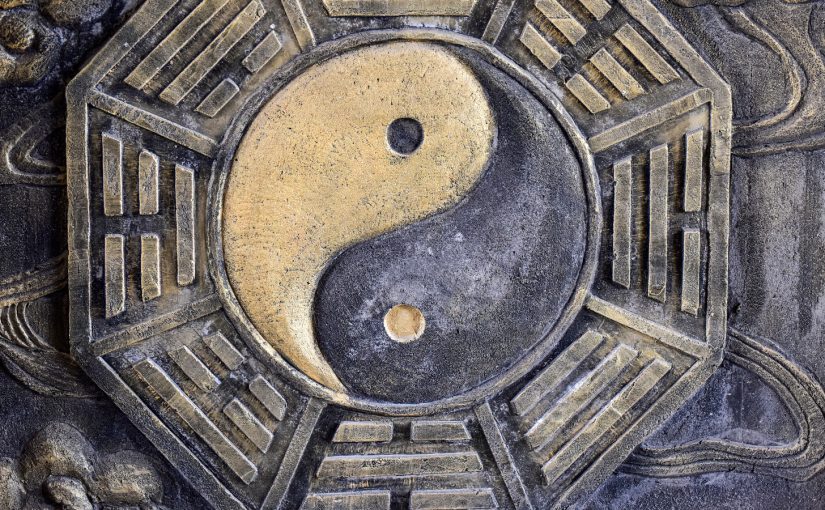
Central to Taoism are the concepts of yin and yang, representing the balance of opposing forces, interconnectedness, and unity in the universe.

How Taoism Inspires Peace

Taoism promotes self-awareness and advocates for nonviolence. They believe in overcoming worry as it is a threat to the body, mind, and spirit. Their philosophy is that worry has nothing to do with the external world, but rather indicates that they aren’t ready to deal with real-life scenarios until they are at peace with themselves and those around them.

Important Taoism Holidays

All Souls Festival

Both Taoists and Buddhists celebrate this festival on the 15th day of the seventh month of the lunar calendar. All Souls Festival celebrates the time that the souls of the dead are released from hell and allowed to walk with those still living. It’s a time to honor ancestors and to visit the temple to feed hungry ghosts.

Laba Festival

Celebrated on the eighth day of the twelfth month, Laba Festival starts at the beginning of the Chinese New Year and is usually held three weeks prior. Believers make sacrifices to eight gods to hope for good health, wealth, and harvest. It can also be a time to commemorate the enlightenment of Gautama Buddha, better known as Buddha.

Laba congee is consumed as it is believed that this porridge helps Buddha to reach his enlightenment. It consists of a series of different nuts, dried fruits, beans, and rice.

Chinese New Year

This Spring Festival signifies the beginning of a new year on the lunisolar Chinese Celebrated from the first day of the year with the new moon until the Lantern Festival  on the 15th day, it strongly influences several ethnicities, including Tibetans, Koreans, Vietnamese, Filipinos, Cambodians, Malaysians, and more.

It’s a time to honor deities and ancestors. Legend says that it started with Nian, a mythical beast that would eat villagers, especially children in the middle of the night. One year, they all decided to hide from him, and they put red papers up and set off firecrackers to scare him. After doing this, they saw nothing was destroyed, so every year they would do the same to ensure that Nian would stay away.

Lantern Festival

The Lantern Festival marks the last day of the Chinese New Year celebrations. Lanterns are carried to symbolize letting go of the past and reinventing oneself. Red lanterns represent good fortune going into the new year.

Its origins go back to the Han Dynasty when Emperor Ming would notice monks lighting lanterns in the temples. Because of this, he ordered every temple and household to do so on the 15th day of the first lunar month annually.

Tangyuan, a rice ball filled with peanut butter, sesame paste, or sweet red bean paste, is enjoyed steamed, fried, or boiled. The Chinese believe that the round shape of the balls and the bowls they serve them in represent togetherness.

Double Ninth Day

The Double Ninth Festival is observed on the ninth day of the ninth month. On this day, many visit the graves of their ancestors or lay food offerings out for spirits and enjoying outdoor activities to promote good health.

Qingming Festival

Also known as Ching Ming Festival or Tomb Sweeping Day, this Spring celebration involves visiting tombs to clean gravestones and burn joss sticks or paper. Its origins go back over 2,500 years. Qingtuan, green dumplings made of barley grass and rice, are frequently enjoyed on this day.

Final Thoughts

We hope that this list of important Taoism holy days is useful for inclusive scheduling at your business or organization. This allows you to recognize these important days regardless of the religion that your staff participates in.

In addition to this list of Taoism holy days, you can also explore our 2024 Interfaith Calendar which includes highlights from other religious holidays, and important religious festivals. For all 2024 religious holidays, subscribe to our interactive DEI Calendar for all 200+ religious events.

FAQs

What holidays do Taoism celebrate?

Some of the most popular Taoist holidays include the Lantern Festival, The Supreme Purity Festival, and the Qingming Festival. These festivals are filled with deep spiritual significance, offering opportunities for reflection, remembrance, and the celebration of the Taoist principles of harmony and balance. They also serve as gatherings that reinforce social bonds and cultural identity.

What are some common Taoism beliefs and traditions?

Taoism is connected to Lao Tzu, a philosopher, who wrote the main Taoism book called the Tao Te Ching. In Taoism, believers hold that humans and animals are in balance in the universe. They also believe in spiritual immortality, where the spirit joins the universe after its death. The concept of Wu Wei, or non-action, is central to Taoist philosophy, advocating for living in accordance with the natural flow of life. Taoist practices, such as Tai Chi and Qi Gong, reflect this principle, emphasizing harmony between body and mind.

What is prohibited in Taoism?

Taoists believe that good actions will lead to a better life for their soul. Lying, stealing, drinking alcohol or committing adultery are all common prohibited actions. However, Taoism generally advocates for flexibility and following the natural course, suggesting that rigid prohibitions may not always apply. The focus is on understanding the Tao, or the way, and aligning one’s actions with the natural order and balance of the universe.

Exploring Indigenous Heritage and Uncovering Family History

When questioning where your ancestors originated, it’s especially rewarding to learn more about your ancestors, regardless of where you’re from. For those with Indigenous heritage, these untold stories of the “first people” not only shape our identity but also provide insights into the history of the United States and beyond.

As a child, I always enjoyed learning more about my family, especially my Native American ancestors, who made me feel part of something magical. Something that was original and that helped create this great continent I live in now.

This had me thinking – How many people truly acknowledge their heritage? What stories can you learn just by doing a little research to learn a little more about what makes you your unique self?

Here’s my personal story of exploration. I hope it inspires you!

Indigenous vs. Native American

You may be wondering the difference between Indigenous people and Native Americans. Native Americans specifically refer to Indigenous people in the Americas. Indigenous People refers to people who lived together as a community before any settlers arrived, regardless of where. This inclusive term describes people on any continent as Original People.

For instance, the Mayas in Mexico, the First Nations in Canada, and the Oglala Sioux who are a part of the seven bands of the Lakota division of the Great Sioux Nation. The latter is where my ancestor, Sophia Mousseau, originates.

Discovering My Family’s Indigenous Heritage

In a deep dive into my family’s history, I found an inspiring story that truly highlights the positive impact that two cultures coming together can have on each other. What’s important to note is that some parts of this story are still undiscovered, but the details that I did find have been influential to American history.

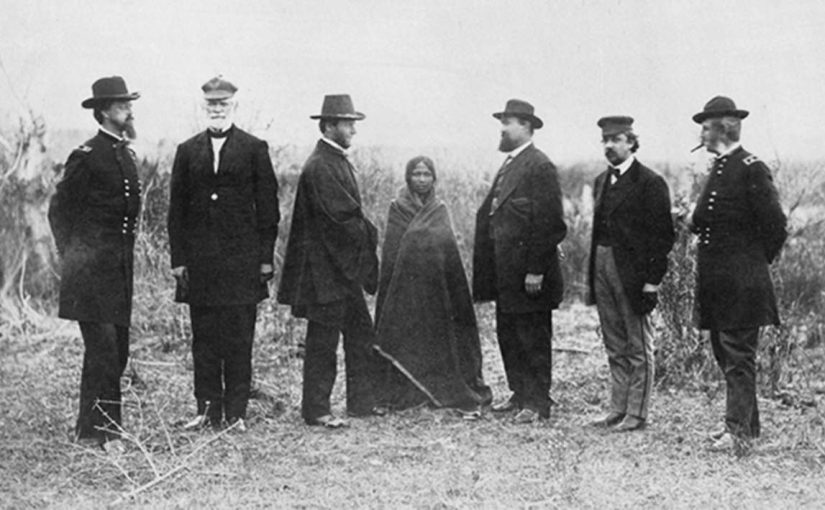
This story focuses on my paternal grandfather’s side – the Mousseau family. It was discovered that Sophia Mousseau, the daughter of Louis Mousseau, a French-speaking trader, and an Oglala woman (unnamed) was an interpreter for the peace commissioners at the Fort Laramie Treaty in 1868.

Sophia Mousseau, An Important Part of American History

Sophia was reportedly related to Red Cloud, an Oglala Lakota war leader who was one of the biggest opponents to the United States Army. These individuals were sent to create an agreement between the United States and several bands of the Lakota people, the Yanktonai Dakota, and the Arapaho Nation.

At the time, Red Cloud’s war was a conflict between the Nations against the United States from 1866 to 1868. In the two years before the war, miners and settlers traveled the Bozeman Trail as it was the shortest route from Fort Laramie and the Oregon Trail to the gold fields in Montana. This led to them depleting some of the area’s resources.

Sophia helped translate to help with negotiations between the tribes and the U.S. government. Once the treaty was signed, this ended Red Cloud’s War, which was a fight for control of land in Wyoming and Montana. The government abandoned all of its forts on the Bozeman Trail and returned land to the Sioux, Northern Cheyenne, and Arapaho nations.

It also helped establish the Great Sioux Reservation and who owned the Black Hills. After the signing of this treatment, Red Cloud led his people to their newly established reservation where they still live today.

The Journey to Knowing One’s True Self

As you can see, a little exploration can lead to inspiring stories like these. Knowing where you came from and what influence your ancestors have made on history is inspiring. Take some time to learn more about your family and the impactful stories they may have too. Learning these untold stories about history helps us to understand where we all came from, piece by piece.

Ready to learn more about Indigenous heritage and explore diverse cultures? Try our Diversity Calendar now and delve into the Diversity Calendar 2024 highlights!

FAQs

What makes a person indigenous?

Indigenous Peoples are social or cultural groups that share ancestral ties to the lands and their natural resources where they live or where they were displaced. Many have a language that is distinct from the official language of the country they reside, while others have lost their languages due to relocation. Studies estimate that over half of the world’s languages are at risk of becoming extinct by the year 2100.

Which is an example of indigenous?

There are over 370 million Indigenous Peoples spread across 70 countries globally. These groups of people have their own culture and social standards. They are known as the descendants who inhabited a country or region when people of different cultures arrived and became dominant. In North America, that may include the Inuits or Métis people in Canada, one of the many tribes in the United States, or even the Mayan or Olmec groups of Mexico.

Is indigenous a race or ethnicity?

Commonly,  they are classified as a racial minority. However, being a member of a tribal nation requires a membership. These tribes exist as sovereign nations, so their people and tribes are technically political entities. Membership depends on blood ancestry. The term Native is used to describe indigenous peoples, but it can describe their traditions, lands, and people as a whole too.

How to Achieve an Inclusive Workplace

Diversity and inclusion should always go together in a workplace. While there is a lot of focus on hiring diverse employees and cultural diversity, it’s just as important to create an inclusive culture. This ensures that everyone feels valued, supported, and accepted, regardless of their gender, race, ethnicity, or  health.

When you create a truly diverse and inclusive workplace, your employees will be more productive and engaged, leading to longer-lasting working relationships.

Defining an Inclusive Workplace Culture

An inclusive workplace culture not only welcomes employees of different backgrounds and identities but also places value on their unique contributions. It’s no surprise that these workplaces tend to be more successful than non-inclusive ones.

Some other benefits of an inclusive workplace culture include:

Better work quality

These employees demonstrate increased creativity due to a variety of different upbringings, work experiences, perspectives, and ideas.

Higher engagement

People are naturally more engaged when they know that their ideas and suggestions are welcome where they work. This makes their work seem more meaningful and impactful.

Retain staff longer

Inclusion involves building an accepting culture where everyone feels like an asset to the team. This sense of value encourages staff to remain with your organization for extended periods.

Important Components of an Inclusive Workplace

Understanding the key characteristics of an inclusive workplace helps to identify one effectively. Some indicators that your workplace is truly inclusive include:

  • A sense of belonging: Employees feel valued when they are accepted and included. Belongingness means that people can be their authentic selves while working.
  • Amplified Voices: Employees are encouraged to freely express ideas, suggestions, or concerns without fear of retaliation. This significantly enhances their engagement
  • Opportunities to learn and grow: A culture of continuous learning and growth shows care for employees. Training provides professional development for all employees, regardless of gender, identity, age, health, or experience.
  • Collaborative teamwork: A collaborative work environment allows every staff member’s skills to shine. When everyone is given the opportunity to be heard and given credit for their ideas, they will want the business to succeed further.
  • Focus on equity, not just equality: Recognition that employees are individuals with unique needs. Individuality is understood, as no two employees are the same.
  • Transparent decision-making: Clear expectations that eliminate the need for guesswork. Being transparent about expectations encourages employees to speak up when they feel excluded.

Ways to Achieve This Workplace Inclusivity

Creating this inclusive workplace culture requires various measures, including:

  • Using inclusive language: Ask staff about their preferred language or pronouns and respect these choices.
  • Creating a safe space: Ensure that facilities like accessible bathrooms, ramps, stair assistance, and designated parking spots are available for people with disabilities. Adapt work areas to accommodate special equipment such as wheelchairs. Ensure digital accessibility for employees with visual, motor, auditory, or cognitive disabilities.
  • Expanding the company calendar: Celebrate a variety of cultural and religious holidays and festivals to expand the sense of belonging. Cultural diversity involves recognizing holidays from all cultural and religious beliefs. This offers an opportunity for your staff to learn about other cultures and for all employees to feel understood.
  • Offering diversity training: Address discrimination and prejudices in the workplace through diversity training. Effective training goes beyond cultural understand, it teaches employees how to collaborate with others while embracing differences.

Embrace Change in Your Workplace

For your diversity and inclusion program to be successful, be open to making minor adjustments over time. Use personal experiences and suggestions from your staff as ways to know when it’s time to change or update a policy. Discover more about crucial diversity and inclusion topics and take a step towards fostering an inclusive environment by exploring our Online Diversity Training and our Online Diversity Calendar.

FAQs

How do you achieve inclusivity in the workplace?

There are many ways to promote both diversity and inclusion in the workplace including inclusive leadership training that raises awareness about unconscious bias. A diversity calendar includes diversity holidays, religious events and festivals, and other important awareness or heritage months for staff to learn about those around them. Having clear DEI policies also ensures that staff understands your company’s mission and values going forward.

How can you contribute to an inclusive environment?

Creating an inclusive work environment means that you put your mission in writing in a company mission statement. You also ask DEI questions during interviews to vet candidates who share similar views. You also hire based on culture add and not culture fit. By being inclusive at every stage of an employee’s experience with you, you ensure that they are on board with your mission to foster a sense of belonging where all employees feel valued and respected.

What does inclusivity look like at work?

An inclusive workplace is more about work culture. It’s about developing a workplace where everyone feels appreciated for their contributions. In this workplace, all customers and colleagues are treated respectfully and equally. These values should be reflected in your company’s mission statement. DEI policies should be implemented and managed regularly by measuring benchmarks for success.

Exploring the Connection Between Genetics and Sexual Orientation

Is being LGBTQ+ biological? Explore the intricate relationship between genetics, sexual orientation and sexual orientation identity.

The debate on whether genetic predisposition influences someone’s identity, particularly in terms of sexual orientation an and gender identity, is a complex and ongoing matter. While many studies identify a link between someone’s sexuality or gender identity and DNA, others believe the two have no connection. Many scientists argue that while the exact cause of someone’s sexual orientation is unknown, they theorize that it is likely a result of a combination of environmental, hormonal, and genetic influences. Because of this, they believe that it is not a choice.

Sexual Orientation Vs. Sexual Orientation Identity

Understanding the differences between the sexual orientation and sexual orientation identity will help distinguish whether or not they can change.

  • Sexual orientation is stable and unlikely to change in one’s life.
  • Sexual orientation identity may change throughout someone’s life and not always align with their biological sex or actual sexual orientation.

The American Psychological Association provides insight by stating that “sexual orientation is not a choice that can be changed at will, and sexual orientation is most likely the result of a complex interaction of environmental, cognitive and biological factors…is shaped at an early age… [and evidence suggests] biological, including genetic or inborn hormonal factors, play a significant role in a person’s sexuality. Sexual orientation identity—not sexual orientation—appears to change via psychotherapy, support groups, and life events.”

XQ28 Chromosome

The XQ28 Chromosome, a genetic marker and chromosome band at the top of the X chromosome, has been studied for over 40 years relating to gender identity and sexual orientation. One study by Dean Hamer links this marker with male sexual orientation. He looked at 114 families of gay men in the United States and found large rates of homosexuality in the maternal uncles and cousins, but not in the paternal side of the family. This suggests that there may be linked genes associated with the X chromosome, as males inherit their X chromosome from their mothers.

Nerve Cells and Sex Hormones

A study led by John Theisen discovered that a panel of genes may have a biological basis for gender dysphoria, where someone believes their gender is opposite of what their biological sex is. This gene panel includes DNA involved in nerve cell development and how sex hormones are manufactured in the body. The study states: “Researchers believe the findings add weight to the idea that transgender people have fundamental differences in their brains and biochemistry that leads to gender dysphoria. We believe that the study lends legitimacy to the idea that transgender is not a choice, as some argue, but “a way of being.”

Many of these studies are still in the early research phase, sparking curiosity about the link between DNA and sexual orientation or sexual orientation identity. While many believe there is a connection, there is no particular gene that can determine someone’s sexual orientation. Instead, a combination of factors leads to a connection between sexual orientation and genetics.

While the research continues to evolve, it’s clear that the relationship between genetics and sexual orientation is multifaceted. Whether a definitive link will ever be established remains an open question, but the current body of work provides valuable insights into the complexity of human sexuality and identity.

Interested in diving deeper into the world of LGBTQ+ understanding and inclusivity? Our comprehensive LGBT Training in the Workplace is designed to empower individuals with the knowledge and empathy to create more inclusive environments. Whether you’re an ally, a member of the community, or simply curious, this training is a valuable resource for all.

This articles aims to provide you with factual information to help you form your own opinion.

FAQs

What affects someone’s sexual orientation?

Medical experts believe that sexual orientation is a mix of psychological, environmental, and biological factors. Many others believe that someone’s genes and hormones play a major role too. Many medical professionals believe that sexual orientation isn’t something that a person chooses, instead, it is a natural part of who someone is.

What is sexual orientation?

Sexual orientation refers to who someone is attracted to and/or wants to have relationships with. Some common sexual orientations include: straight, gay, lesbian, bisexual, or asexual, to name a few. Sexual orientation is different than gender and gender identity as the latter refers to who someone is (male, female, non-binary, genderqueer, etc.) and not who they are attracted to.

Do genes affect gender identity?

The gender identity of someone is the final result of their genetics and hormones. Male sex determination has long been correlated to the presence of a Y chromosome. However, research shows that this is only part of the truth. In addition to this chromosome, other genes may influence the determination of sex in an individual. As you can see, this matter can be complicated and requires extensive research on the Y chromosome and its origin and evolution to get clearer answers.

Understanding the Difference Between Equality and Equity

Diversity, equity, and inclusion (DEI) all play pivotal roles in today’s workplace. Organizations strive to create a culture of understanding in a diverse and inclusive environment. Diversity involves bringing together people from different backgrounds and identities. However, diversity alone doesn’t paint the complete picture. Concepts such as equality and equity are also important for broadening our understanding of DEI terms. They all work together to create a diverse and inclusive environment.

Equality Versus Equity

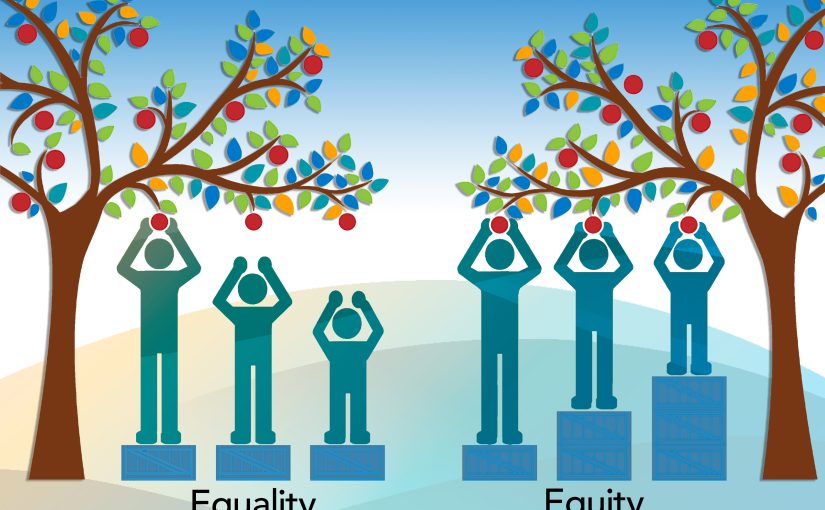
Equality is when everyone is given the same access to opportunities and resources.  On the other hand, equity accounts for any challenges or disadvantages that certain people or groups experience while pursuing the same goals. The most equitable  approach involves providing support to those facing disadvantages, and thereby ensuring they have fair access to any opportunity. This is where DEI comes into play.


Equality Versus Equity Examples

To better understand the difference between equality and equity, here are some examples that apply to the workplace.

An HR manager establishes benefits for the first time.

Equality: The manager decides to offer insurance to all employees and introduces a bereavement policy for paid leave upon an immediate family member’s death.

Equity: The manager consults employees and discovers cultural differences in bereavement practices. The manager adapts the policy to include paid leave for the death of any family member, accommodating diverse needs, including support for employees experiencing miscarriages.

A hiring manager wants to increase diversity on the team.

Equality: The hiring manager identifies a low hiring and retention rate of minority women employees and decides to screen resumes anonymously.

Equity: The hiring manager collaborates with their superiors and team members to understand the challenges  faced by these employees and implements changes that significantly lowers the turnover rate.

A manager is trying to coordinate personal time off for all employees during the holiday season.

Equality: All employees are encouraged to take their time off during the last two weeks of December.

Equity: Employees are encouraged to take time off based on their religious and cultural events, recognizing that Christmas may not be the only significant holiday for all.

Importance of Equity in the Workplace

While equity in the workplace is a long-term commitment, it is still a fundamental element for achieving a diverse and inclusive workplace. Consider brainstorming strategies to ensure that your team feels understood, heard, and accepted.

Equality and Equity FAQs

Should there be equality or equity?

In an ideal world, both equality and equity should coexist. While equality ensures that everyone has access to the same opportunities and resources, equity acknowledges that not everyone starts from the same place and strives to rectify imbalances. Combining these concepts ensures that people receive fair treatment while accounting for their unique needs and circumstances.

What is the difference between equality and equity in diversity?

The key difference lies in their focus and implementation. In diversity initiatives, equality might involve treating all employees the same way, while equity involves tailoring strategies to address the specific barriers and needs of different groups. A dual approach is essential for creating a truly inclusive and just society where everyone can thrive.

What is an example of equity vs equality in the workplace?

Equality means that every employee receives the same amount of holiday time off. However, those who don’t celebrate these specific days can use those PTO days as they wish. Equity acknowledges that not all employees are the same. It is fair treatment and opportunities for all employees, regardless of their race, religion, ability, or age, to name a few.

Ready to foster a more inclusive workplace? Try our Diversity Calendar and sign up for our Online Diversity Training today!

Sign In

Sign in to Diversity Resources