Facebook Pixel

The History of DEI

The history of DEI in the workplace has been marred by racial discrimination, making it difficult for everyone to feel included, as equality wasn’t always part of the equation.

The Civil Rights Act: A Turning Point in the History of DEI

A significant turning point in the history of DEI came with the Civil Rights Act of 1964, which made discrimination in the hiring and promotion process illegal. This was the first of many steps toward creating a more equitable workplace.

Following the Civil Rights Movement, the concepts of equality and inclusiveness gained traction and became central to the history of DEI. Advocates began promoting the idea that everyone deserves to be treated with the same respect and opportunities as others.
Recent Events and Their Impact on the History of DEI

Over time, diversity has emerged as essential to the history of DEI in creating harmony in the workplace. The push for more diverse cultural backgrounds has skyrocketed in the past decade, especially due to recent global events like the COVID-19 pandemic and the Black Lives Matter movement.

People have come to realize that not only is it natural for people from all parts of the world to come together, but it also brings prosperity and inspiration, further shaping the history of DEI.

Diversity is the backbone of a well-functioning workplace and society. Promoting and educating about diversity ensures that all differences are acknowledged, making people feel seen and valued.

In a healthy environment, everyone is accepted for who they are, and their unique contributions are welcomed. If we push away these beautifully unique attributes, we eliminate opportunities for growth and success as a team and business. This perspective is key to understanding the history of DEI.

DEI Obstacles

Despite the recent push to promote DEI in the workplace, there has been some backlash, which is not uncommon in the history of DEI. There is a noticeable difference in perspectives among political parties: About 78% of Democrat workers believe DEI is a strength in the workplace, compared to 30% of Republicans. This split highlights the ongoing challenge of uniting the nation around DEI principles.

Additionally, there are perceptions that being male and/or Caucasian is an advantage at work. While this belief is controversial, there are unfortunate instances in the history of DEI where it rings true.

Future Prosperity Depends on DEI

It is disheartening that some people still hold biases regarding race and opportunity. This is precisely why the push for DEI is so crucial—it’s a necessary step to move from a place of bias and discrimination to one of equity and inclusion.

As a society, we have made significant progress. By continuing to prioritize building strong foundations that emphasize diversity, we can create a prosperous future. The power to build strong communities and connections lies within all of us.

Ready to Strengthen Your DEI Efforts?

Explore how our Online DEI Calendar can support your organization in fostering an inclusive workplace. Start your free trial today!


DEI Criticism: Understanding the Backlash and How to Respond

The popularization of DEI (Diversity, Equity, and Inclusion) training has increased significantly in recent years. While these programs are designed with positive intentions to create a more inclusive workforce, they have also faced criticism and backlash. DEI criticism often stems from perceptions of ineffectiveness or concerns about the sustainability of these initiatives within organizations.

Addressing Reasons Behind Recent DEI Criticism

Failure to Solidify Sustainability Within an Organization

One of the primary sources of DEI criticism is the failure of some programs to establish long-term sustainability. Critics point to issues such as the quality of DEI educators, the reliability of the research behind these initiatives, and the persistence of discrimination despite ongoing training efforts.

When DEI specialists lack enthusiasm or fail to genuinely commit to creating change, their disengagement can negatively impact the employees they’re supposed to be inspiring. This lack of commitment is a common target of DEI criticism and highlights the importance of selecting DEI professionals who are passionate about their mission and dedicated to fostering real change in the workplace.

Choose the Right DEI Teachers

If employees sense that the educator is not fully committed to the DEI mission, they are less likely to engage and take the DEI training seriously. This disconnect can fuel DEI criticism and undermine the effectiveness of the DEI training. It’s essential to have educators who can connect with employees and convey the importance of diversity, equity, and inclusion authentically.

Bring Diversity to the Table

Another aspect of DEI criticism focuses on the lack of diverse perspectives within the DEI training process itself. Your workforce likely includes individuals from various backgrounds, so introducing diverse ideas can challenge and expand your employees’ ways of thinking.

Create a Comfortable Environment

It’s equally important to ensure that employees feel comfortable during DEI training. The process of addressing bias and discrimination can be challenging, nd when not handled properly, it can lead to DEI criticism. A supportive environment is crucial, as poorly conducted sessions can leave employees feeling more wary of DEI initiatives rather than empowered by them.

Choose Quality Over Quantity

To combat DEI criticism, focus on quality rather than quantity in your DEI training programs. Choose well-researched topics and techniques that have been proven to resonate with employees. Since time is a critical resource for your team, it’s important to provide DEI education that is impactful and data-supported. Practical exercises that reinforce the importance of diversity can make a significant difference in employee engagement.

Responding to DEI Criticism

While DEI criticism is real, it doesn’t diminish the importance of these initiatives. As the diversity within your organization grows, ongoing support for DEI training is essential to keep pace with changing times. Rather than viewing the backlash as a reason to abandon DEI efforts, treat it as an opportunity to learn and improve. By selecting knowledgeable DEI specialists who can bring out the best in your employees, you can create a more inclusive and productive workplace.

Interested in creating a more inclusive workplace? Explore how our Diversity Calendar can help your organization stay on top of DEI initiatives. Sign up for a free trial today.

Using DEI Metrics to Drive Effective DEI Strategies

Leverage DEI metrics to uncover gaps and measure the effectiveness of your initiatives. Drive lasting impact with data-driven strategies.

In the workplace, data isn’t just for sales and productivity metrics—it’s also a powerful tool for building and sustaining diversity, equity, and inclusion (DEI). When used right, DEI metrics can shine a light on DEI gaps and help organizations measure the true impact of their initiatives. Here’s how you can start leveraging data and DEI metrics to shape and refine your DEI strategies.

Identifying DEI Gaps

The first step in driving change is understanding where your organization stands. DEI metrics provide a clear, unbiased picture of the current state of diversity within your workforce. This goes beyond just demographics. It’s about diving into the representation at different levels of the organization, the rates of promotions, retention, and even pay equity.

For instance, while your overall workforce may be diverse, you might find that certain groups are underrepresented in leadership roles. Or, you may discover that retention rates are lower for certain demographics, signaling potential inequities in company culture or support systems.

Conducting regular DEI audits with employee data, such as hiring patterns, promotion statistics, and attrition rates, can help you identify these gaps. According to McKinsey’s ‘Diversity Wins’ report, companies in the top quartile for gender diversity on executive teams were 25% more likely to have above-average profitability.

Employee surveys are another valuable source of DEI metrics that can uncover how different groups feel about their sense of belonging, fairness in opportunities, and overall workplace experience.

Measuring DEI Initiatives’ Effectiveness

After identifying gaps and implementing initiatives, the real challenge is assessing their impact. This is where continuous tracking of DEI metrics comes into play.

For example, if you’ve launched mentorship programs for underrepresented groups or introduced unconscious bias training, it’s important to measure how these initiatives are moving the needle. Tracking DEI metrics like promotion rates for those in mentorship programs or conducting pre- and post-training surveys can give insight into their effectiveness.

You can also monitor broader DEI metrics like employee engagement scores, turnover rates, and feedback from exit interviews to gauge how well your DEI programs are resonating across the board. When combined with regular employee feedback, this data gives a full picture of what’s working, what’s not, and where more focus is needed.

Using Predictive DEI Metrics

Beyond understanding the present state, predictive analytics can help organizations proactively address potential challenges before they escalate. By analyzing past data trends, you can forecast potential areas of concern—like where talent pipelines may dry up or predict turnover in certain demographic groups.

Predictive models can also help you design more targeted DEI programs by identifying which groups may need more support and ensuring that resources are allocated more effectively.

Challenges and Considerations

Of course, collecting and analyzing DEI metrics has its challenges. Privacy is a big one—employees may be wary of sharing personal information, especially when it comes to sensitive topics like identity and belonging. It’s crucial to be transparent about how the DEI metrics will be used and to ensure confidentiality.

Additionally, data on its own isn’t enough. Context matters. It’s easy to fall into the trap of focusing solely on the numbers without taking into account the real-life experiences of your employees. Pairing quantitative data with qualitative insights—like focus groups or one-on-one interviews—helps round out the story behind the numbers.

The Power of DEI Metrics in Driving DEI Success

At the end of the day, data-driven DEI strategies allow organizations to make more informed decisions, track progress meaningfully, and create a more inclusive and equitable environment. By consistently collecting, analyzing, and acting on the right data, companies can move beyond performative gestures to make lasting, impactful change. Research from Catalyst shows that companies with higher racial and ethnic diversity are 35% more likely to outperform their competitors.

Ready to Take Your DEI Efforts Further?

Use our Online Diversity Calendar to stay on top of important cultural, religious, and identity-based observances. Sign up for your free trial today, and start planning with intention!

DEI Vs. MEI: Why Diversity is Essential to Merit

Explore the DEI vs. MEI debate and DEI is crucial to fostering true meritocracy and innovation in the workplace.

In recent discussions, a new acronym has emerged—MEI, which stands for Merit, Excellence, and Intelligence. Proponents of MEI argue that organizations should focus on hiring the best candidates based solely on their qualifications, without considering demographic factors, claiming that diversity will naturally happen when decisions are based purely on merit. However, this perspective misses a crucial understanding of what Diversity, Equity, and Inclusion (DEI) truly encompass and why they are not only compatible with merit but essential to it.

DEI vs MEI: A Broader Perspective on Merit

In the DEI vs. MEI conversation, it’s important to recognize that merit isn’t just about qualifications on paper; it’s about the full spectrum of what a person brings to the table. This includes diverse perspectives, lived experiences, and the ability to navigate and contribute to a multicultural world. When we narrow our definition of merit to traditional metrics—such as degrees, years of experience, or specific technical skills—we overlook the invaluable contributions that come from a wide range of backgrounds.

In fact, companies in the top quartile for gender diversity on executive teams were 25% more likely to have above-average profitability, and those in the top quartile for ethnic and cultural diversity outperformed others by 36% in profitability.

DEI ensures that merit is seen in its fullest context. It recognizes that a candidate’s potential isn’t just shaped by their resume but also by the unique insights and problem-solving abilities that stem from their cultural, social, and experiential diversity. These diverse qualities can drive innovation, foster creativity, and enable teams to better serve a global customer base.

The Myth of Natural Diversity Through MEI

The DEI vs. MEI debate often hinges on the assumption that diversity will naturally happen if we just focus on merit. This idea, while appealing, is deeply flawed. For example, research has shown that resumes with names perceived as “ethnic” are 50% less likely to get callbacks compared to those with traditionally white-sounding names, despite having identical qualifications.

Without intentional DEI efforts, unconscious biases often come into play, leading to hiring decisions that favor those who look, think, and act like the decision-makers. This isn’t just about race or gender; it’s about a tendency to choose candidates with similar educational backgrounds, work experiences, and even personality traits.

DEI challenges us to be more aware of these biases and to actively seek out talent from underrepresented groups who may not have had the same opportunities to showcase their ‘merit’ in traditional ways. By expanding the definition of what constitutes excellence, DEI allows for a richer, more inclusive understanding of talent.

The Subjectivity of “Excellence”

Proponents of MEI argue that “excellence” should be the sole criterion for hiring. However, “excellence” is often subjective and influenced by cultural norms, biases, and systemic inequalities. What one person considers excellent may be different from another’s perspective. For instance, leadership styles can vary greatly across cultures; what’s seen as strong leadership in one context might be perceived differently in another.

DEI encourages us to broaden our understanding of excellence. It asks us to consider different leadership styles, communication methods, and problem-solving approaches as valuable and worth nurturing. This doesn’t dilute merit; it enriches it by ensuring that a wider array of talents and perspectives are recognized and rewarded.

DEI and MEI: Not Mutually Exclusive

The real fallacy in the DEI vs. MEI argument is the assumption that DEI and MEI are mutually exclusive. In reality, DEI enhances MEI by ensuring that a wider pool of talent is considered and that merit is assessed more equitably. By embracing DEI, organizations aren’t lowering the bar; they’re raising it by fostering environments where all employees have the opportunity to thrive and where the best ideas, regardless of their source, can come to the forefront.

Addressing Corporate Frustration with DEI

It’s true that some organizations have struggled with implementing DEI initiatives, often citing underinvestment and a lack of experienced leaders. But abandoning DEI in favor of MEI is not the solution. Instead, organizations need to invest in DEI with the same rigor and resources as they do in other critical business areas. This means training leaders to understand and value diversity, creating clear and measurable DEI goals, and holding the entire organization accountable for progress.

When done right, DEI doesn’t just create a more inclusive workplace; it drives better business outcomes. Research has consistently shown that diverse teams outperform homogeneous ones, particularly in problem-solving and decision-making. DEI is not a nice-to-have; it’s a business imperative.

Moving Forward

The move towards MEI under the guise of pure meritocracy risks undoing much of the progress that has been made in creating more inclusive workplaces. It’s important to understand that merit, excellence, and intelligence are not in opposition to diversity, equity, and inclusion. In fact, they are deeply intertwined. True meritocracy can only be achieved when we recognize and actively work to eliminate the barriers that have historically excluded talented individuals from certain backgrounds.

DEI is not about lowering standards; it’s about redefining them in a way that truly reflects the diverse world we live in. By doing so, we create a workplace where everyone has the opportunity to excel and where the full range of human potential is recognized and valued.

If you’re looking to deepen your organization’s commitment to DEI and create an environment where every employee can thrive, explore our Online Diversity Calendar. Start making a difference today.

Workplace Discrimination Examples and What You Can Do About It

Learn to identify workplace discrimination examples and protect yourself. Discover actionable steps to foster an inclusive work environment.

Creating a comfortable and productive environment for your employees involves identifying and preventing acts of workplace discrimination. Sometimes, it’s easy to accept workplace norms without question, but this can be harmful. According to Forbes, a 2021 study found that 70% of workers have experienced workplace discrimination. This staggering number highlights the need for proactive measures to ensure fair treatment in the workplace.

Common Workplace Discrimination Examples

Workplace discrimination examples come in all different forms. Here are some to look out for:

Using Gender to Assign Tasks
Assigning tasks based on gender undermines equality. For example, if a manager assigns busy work to female employees more frequently than male employees, it reflects gender bias. Ensure that task distribution is based on skills and qualifications, not gender.

Favoritism
Equitable treatment of all employees, regardless of race, ethnicity, religion, gender, sexuality, or age, is essential. If you notice certain employees receiving preferential treatment, it’s crucial to address this immediately to maintain a fair work environment and avoid workplace discrimination.

Offensive Comments or Jokes
Comments or jokes that make employees uncomfortable should never be tolerated. Create a culture of respect and professionalism where everyone feels safe to express their concerns about inappropriate behavior.

Limited Opportunities
If certain employees are consistently missing out on hours, time off, or opportunities to work in various areas, it may signal workplace discrimination. Ensure all employees have equal access to opportunities and benefits.

Lack of Diversity
A lack of diversity in the hiring process or a workplace where employees feel isolated can indicate deeper issues. Promoting diversity not only enriches the workplace but also drives innovation and growth. Make diversity and inclusion a priority in all aspects of your organization.

How Leaders Can Foster an Inclusive Workplace

Prioritize the well-being of your employees by ensuring everyone is treated with equity and inclusion. Encourage open communication and provide channels for employees to voice their concerns safely. Regularly review and update your policies to reflect your commitment to a discrimination-free workplace.

Want to learn more about fostering an inclusive workplace? Explore our Diversity Calendar to stay informed about important cultural and religious events, and get tools to promote diversity and inclusion in your organization.

How Cultural Awareness Increases Workplace Productivity

Boost workplace productivity by fostering cultural awareness and learn how respecting diverse backgrounds can transform employee satisfaction.

The root to connecting with others is  curiosity and the desire to learn more. Through this understanding, we can reach greater levels of compatibility. Cultural awareness pieces together each and every individual and raises the importance of culture.

Understanding Employees’ Backgrounds

Understanding your employees’ backgrounds unlocks a personal component that makes them who they are. Culture shapes one’s personality, perspective, and ideas. The more diverse the cultures present, the greater the enrichment of diversity in the workplace.

When employers display respect for their team, it promotes employee satisfaction and engagement. Showing that you care creates a comfortable environment for employees. A workplace with dedicated people who show genuine interest in addressing cultural and individual needs can transform productivity.

Mutual Benefits of Cultural Awareness

Cultural awareness has mutual benefits. You have the opportunity to help your employees with their needs and learn from their experiences. As a whole, the workplace can grow on a deep level.

For example, in Japanese culture, people prioritize harmony and quality relationships with their co-workers. With this knowledge, one could make a greater effort to prioritize good intercultural communication to improve an inclusive work culture. In turn, this will bring better employee satisfaction and an overall positive outlook.

Promoting Cultural Awareness

Through education, we can empower others from different backgrounds to come together as a team. As an employer, it is important that you build a suitable environment for your employees. The goal is to create a place where they feel comfortable discussing their views and beliefs. You can do this by promoting diversity training and providing resources that build knowledge of cultural customs and history.

Remember, your organization’s backbone relies on your employees. Thus, it is vital to support them in every facet possible to create an inclusive and comfortable environment. Other ideas to increase cultural awareness within your organization include feedback surveys, employee check-ins, diversity training, and resources such as calendars, videos, and support groups.

Self-Awareness and Cultural Awareness

Cultural awareness starts with self-awareness. Once you understand your actions and how they impact others, you can build a strong workplace. Organizations will grow with more diversity. As this happens, remember to take notice of your employees’ origins and how you can best guide them to greatness.

Our Diversity Calendar enhances cultural awareness and boosts productivity in your workplace. Explore how it can help you understand and celebrate your employees’ diverse backgrounds.

Election Impact on Workplace Diversity and ERGs

Discover how the upcoming election could impact workplace diversity, equity, and inclusion. Learn about candidates’ perspectives.

Times are always changing, especially when it comes to diversity, equity, and inclusion (DEI) in the workplace. This upcoming fall holds an abundance of uncertainty in the US, including how employers will educate their employees on intercultural knowledge.

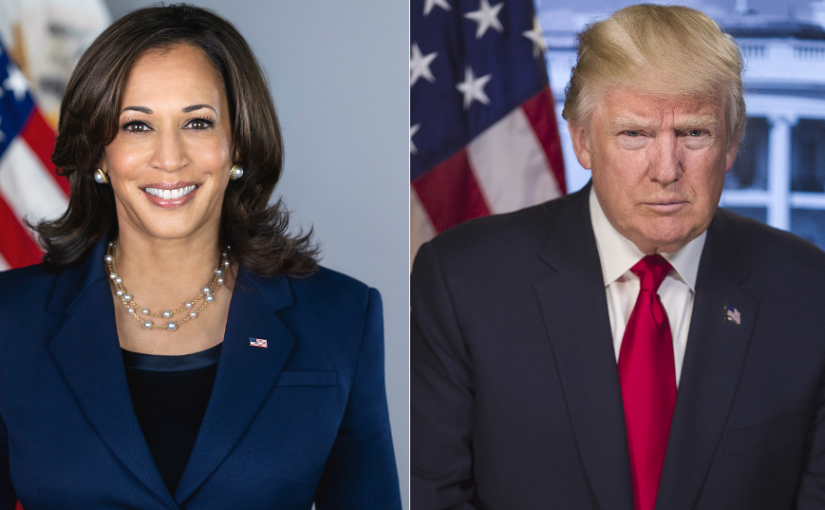
The two main candidates that will be running are Kamala Harris and Donald Trump. These vastly different individuals hold many characteristics that separate themselves from each other. Each candidate has a different perspective on workplace diversity, which will impact the lives of employees.

The Power of Workplace Diversity Training

Diversity training can change the future of how your business may operate and its overall performance. Diversity education creates productivity rooted in new insights and perspectives. This, in turn, generates positive feedback to your organization. Not only does it strengthen your organization’s foundation, but it also promotes employee’s well-being.

Workplace Diversity in the Election Context

With this in mind, diversity is a major component to consider when heading into the election. From previous accounts, Trump made an executive order to limit the teaching of DEI in classrooms and workplaces. Biden later reversed this order when he became president.

If Trump had previously set back diversity progress, the future is uncertain regarding what else he might do if elected president. Each potential candidate has two divergent agendas. Biden has previously prioritized equity within communities, believing in the beauty of interconnectedness. Since Biden appointed Harris as Vice President, she will likely carry the same legacy. Trump, on the other hand, favors a more traditional frame revolving around patriotism.

The Broader Perspective on DEI

From a broader perspective, the people of the United States only account for 4.23% of the world’s population. In the grand scheme of things, this is an incredibly small portion of what the world has to offer. It is easy to get caught up in the current ideas, beliefs, and events in the U.S. However, the world holds 650 ethnic groups in 190 countries, meaning there is a horizon of possibilities through the power of diversity.

To illustrate, 6 out of 10 Americans believe DEI should be implemented in workplaces. This means that the majority of Americans support the inclusion of diversity. Regardless of the upcoming election results, statistics show that the people believe in it.

The Role of Employee Resource Groups (ERGs)

One solution to continue promoting workplace diversity is through Employee Resource Groups (ERGs). Interconnectivity within workplaces is increasingly becoming more popular as ERGs add value to people. They prioritize global connections, which increases cross-global connections. ERGs continue to expand to the point where they often surpass DEI teams. If additional setbacks occur, this may be a solution to implementing diverse techniques without explicitly labeling them DEI.

Moving Forward with DEI

Remember, there are two paths to take: one towards inequality and regression or the other towards growth and harmony. Although the future may hold uncertainty regarding diversity mandates, organizations can continue encouraging it amongst their employees.

Stay ahead in promoting workplace diversity and inclusion within your organization. Explore our Diversity Calendar to keep your team informed and engaged with key cultural events and observances.

The Future of DEI Lands in the Hands of the Upcoming Election

Explore the future of DEI with insights on the upcoming election’s impact on diversity, equity, and inclusion in workplaces.

There is a vast disparity between the candidates in the upcoming election. The direction of DEI (Diversity, Equity, and Inclusion) will either move forward or take a step back. Now, more than ever, it is important to become educated on how the results of the 2024 election will impact diversity.

Trump’s Track Record on Diversity

Former President Donald Trump plans to run for president this fall. Historically, Trump has shown disfavor for diversity. In September 2020, he issued an executive order that urged patriotic education within schools, leading to the avoidance of discussions on racial disparities and gender diversity in schools and workplaces. This move set a blueprint for what Trump may continue to do.

Following the order, multiple lawsuits were filed against it, protesting the violation of free speech, equal protection, and due process according to the Constitution. Once President Biden took office, he issued an executive order to reverse the effects Trump had had on diversity education.

Impact on the Nation

The battle over diversity training has significantly impacted the nation. From riots to social outreach, a major part of the population is targeted.

Imagine if your president issued an order to minimize education about your race, culture, and background. Trump’s actions have displayed his motives to diminish DEI efforts.  This affects not only marginalized people but everyone. Without diversity education, there is less intercultural knowledge, which is essential for bringing the world together, from relationships to business meeting cultural customs. The ripple effects of Trump’s goals are extensive.

Kamala Harris’ Position on DEI

On the contrary, Kamala Harris’ objectives keep the well-being of diversity in mind. Biden has declared that “diversity, equity, and inclusion are the core strength of America.” Harris and  Biden prioritize advancing diversity in the workforce to create an equitable environment. Kamala has received recent backlash from conservative legislation because she is a person of color running for president. There is no evolving as a country if a multiracial woman cannot confidently express her identity.

The Future of DEI in America

There are two drastic paths DEI could take by the end of the year. These paths will shape the next four years for our workplaces, employees, businesses, and country. Ultimately, it is up to the people to decide how to proceed with the election results.

Regardless of what happens, we as individuals can choose how to act and implement diversity in our workforce. Whether through open discussions with employees or treating everyone equally, it is crucial to incorporate every component of one’s background into education.

Support the Future of DEI

Through education, we can reach all types of people and share a message that creates a community of diversely rich people. It is vital to take the initiative and understand how to support the future of DEI.

Stay informed and proactive in supporting diversity, equity, and inclusion. Our Diversity Calendar offers a comprehensive resource for tracking important cultural events and holidays.

Age Diversity: The Connection Between Generations & Diversity

Embrace age diversity in your workplace! Discover the benefits and challenges of multi-generational teams.

Diversity comes in many forms: culture, ethnicity, language, and more. It also spans various time periods. For the first time in history, five generations are present in the workforce, creating generational diversity and grouping people from all walks of life who share their experiences.

This scenario can bring knowledge and awe as we blend our ideas and thoughts with one another. However, it may also bring some disagreements and complications, leading to valuable learning experiences.

Benefits and Challenges

Understanding the contrast and similarities between the multiple generations reveals that age diversity can bring both benefits and challenges to your organization. Here are some top takeaways for understanding employees of all ages and backgrounds.

Benefits of Age Diversity

Offers Various Perspectives
Having people of all ages in the workplace is a gift. One may bring up an idea you’ve never thought of, leading to significant innovations. Another may introduce a new concept that becomes your next business success.

Increases Workplace Cultural Competence
The exchange of cultures is key to understanding one another. This interconnectedness helps organizations become more cohesive. Employees may offer insights into their backgrounds and cultures and give their opinions on what is fair. Understanding other cultures helps you better meet your employees’ needs.

Increases Employee Retention
Studies have shown that diversity, including age diversity, is linked to employees staying with that organization for a prolonged time. A diverse range of ages benefits both the people and the organization.

Brings Unique Values to Your Company
The world is ever-changing, and so are its people. Each generation holds specific characteristics that bring diversity and value to the workplace. For instance, Millennials often prefer the quality of work over salary, proving them to be passionate and purposeful. Generation Z has consistently used digital platforms for social advocacy, emphasizing sustainability.

Challenges of Age Diversity

Addressing Unconscious Bias Towards Different Generations
There is a correlation between beliefs about how others act and the generation they belong to. Studies have proven that age doesn’t determine an employee’s interests and needs. While each generation may have unique characteristics due to their period, multi-generational thinking is more universal than you may think.

Overcoming Stereotypes
It is a common misconception that a particular age group acts a certain way. Prejudices prevent people from cooperating efficiently in the workplace. According to Boston College, approximately one in three Baby Boomers who experience job dissatisfaction have been discriminated against due to their age. Employers can view this as an opportunity to introduce DEI training. Diversity training provides numerous benefits to organizations’ productivity.

The Resolution

To come together, we must acknowledge the beauty in our differences. Each generation has experienced unique paths that have shaped them into who they are today. However, we must set aside prejudices and opinions that may hold us back from creating an inclusive and positive work environment. By embracing age diversity, organizations can harness the unique strengths and perspectives of all generations, fostering a more innovative, understanding, and productive workplace.

Ready to take your DEI efforts to the next level? Discover how our Online DEI Calendar can help you celebrate and support age diversity within your organization. Track important dates, plan inclusive events, and create a workplace where everyone feels valued. Start your free trial today!

Generational Diversity: Effects and Insights

Discover the impact of generational diversity in the workplace and learn how different age groups bring unique perspectives and strengths.

A timeline of historical events has shaped who we are today – our values and beliefs are born, and thus, diversity blooms. The world harnesses an array of people from various backgrounds. Some originate from the Middle East, and some from Australia. Some grew up speaking multiple languages, while others view art as a way of life. This just skims the possibilities of how people form their identities, ideals, and perspectives.

Just as there is a wide variety of backgrounds, there is also age diversity. According to Purdue Global, “For the first time in history, there are five generations in the workplace.” This includes the Traditionalists (1925-1945), Baby Boomers (1946-1964), Generation X (1965-1980), Millennials (1981-2000), and Generation Z (2001-2020). It is a beautiful thing to have so many viewpoints on the world. However, this can create challenges and disparities between people on topics such as diversity.

Generational Diversity and Communication Styles

Diversity is more prevalent than ever in today’s world, with major events revolving around the matter, such as the Black Lives Matter movement and the recent “presidential order on advancing racial equity and support for underserved communities” by President Joe Biden. The creation of Diversity, Equity, and Inclusion (DEI) was implemented in the mid-1960s. There is an apparent gap in knowledge and exposure to diversity from now compared to the early 1900s. This creates room for older generations to misunderstand younger generations in the workforce and vice versa, highlighting the importance of understanding generational diversity.

A key difference between Generation Z and others is their way of communication. The newest generation in the workforce has grown up with technology by their side. Social media is a way of outreach, public advocacy, and marketing. Gen Z’s direct exposure to technological advances creates a more diverse window for connection. However, this also means less face-to-face communication, as the Baby Boomers are used to.

Historical Context of Generational Diversity

Baby Boomers grew up in the aftermath of World War II, dealing with major consequences, such as increased awareness of discrimination and the importance of equitability. The Civil Rights Movement occurred during this time, leading to the questioning of old beliefs and traditions.

On the other hand, the Traditionalists experienced the Great Depression. It is only natural for Traditionalists and Baby Boomers to be motivated to work extremely hard, as conditions were rough. There was also less equality amongst men and women in the workforce during the early 1900s, leading to more rigid workplace rules and less room for diverse settings.

Changing Perspectives on Mental Health and Inclusivity

As time went on, stereotypes faded, and open discussions about mental health became present. Generation Z has grown up in a time of inclusivity and openness. Older generations may have the mentality of sticking with old ways when there was more close-mindedness to LGBTQ+ issues, women’s rights, mental health support, etc.

Although generations have different wants and needs, generational diversity can create harmony. New perspectives and ideas are exchanged, presenting opportunities to learn. Older generations grew up in a vastly different time and place compared to now. However, there is respect and beauty in understanding how the world worked then and how society can come together now.

Stay ahead of the curve and foster an inclusive workplace with our Diversity Calendar. Discover key cultural events, promote awareness, and support your team’s diverse needs effortlessly.

Inclusive Workplace Practices: Supporting Diverse Needs

Discover how inclusive workplace practices can transform your organization and enhance employee wellbeing.

Now more than ever, workplaces are adopting inclusive workplace practices to support diverse needs and enhance community and productivity. From accommodation plans to mental health resources, the functionality within the workforce is evolving.

Inclusive Workplace Practices: Accommodation Plans and Task Modifications

Individualized accommodation plans help support employees transitioning into new roles. These plans allow employers to understand the specific needs of their employees, helping them reach their full potential. This can help employees feel more comfortable and supported, regardless of their circumstances.

An equally important aspect of inclusive workplace practices is the ability to have task modifications. Employers can adjust tasks to accommodate people with disabilities. Examples include modified schedules, interpreters, and adjusted training materials. These modifications create a more suitable environment for those who need it so they can perform to their fullest potential.

Listening and Acting on Employee Feedback

One of the best ways to strengthen organizations is by listening to employees and acting on their feedback. When employees feel heard, communication improves, resulting in stronger work relationships. This not only makes employees feel more valued, but it also creates room for increased performance and improvement.

Mental Health Care and Equal Pay in Inclusive Workplace Practices

Supporting mental health in the workplace is crucial for long-term success and essential to inclusive workplace practices. When employee well-being is prioritized, the quality of work increases and reduced stress positively impacts an employee’s life. Some organizations offer counseling services and PTO policies, such as therapy and gym memberships. For instance, Microsoft supports mental health through Microsoft Cares, which provides remote and in-person counseling sessions and workshops.

Equal pay is a necessity in all workplaces. It ensures equity amongst employees and eliminates discriminatory practices. The Equal Pay Act in the US ensures that all genders in the workplace receive equal pay for similar jobs, helping create a fair and trusted environment. Transparency about pay fosters a reliable and trusted relationship. It is important to reinforce this to employees as it is a major marker of supporting diversity.

Embracing Inclusive Workplace Practices

Inclusive workplace practices promote a healthy and flourishing atmosphere in all workplaces. When considering strategies to meet diverse needs, it is important to continue growing in these ways.

To further support your DEI initiatives, consider subscribing to our Diversity Calendar. It offers valuable insights and resources to help you create a truly inclusive workplace.

DEI Policy: How to Create an Effective One

Discover how a DEI policy fosters workplace inclusivity and drives innovation. Learn all about the key components and benefits.

A well-crafted DEI policy is essential for creating an inclusive and equitable workplace. DEI, which stands for Diversity, Equity, and Inclusion, is more than just a buzzword. It represents a commitment to recognizing and valuing the unique perspectives, experiences, and backgrounds of every employee.

Understanding the Importance of a DEI Policy

A DEI policy is crucial for several reasons. It promotes a positive work environment and drives innovation and productivity. Employees who feel valued and included are more likely to contribute their best work. Additionally, a robust DEI policy can help attract top talent, as job seekers increasingly prioritize workplaces that are committed to diversity and inclusion.

Key Components of an Effective DEI Policy

Commitment from Leadership
For a DEI policy to be successful, it must have the full support of the organization’s leadership. Leaders should actively promote and model inclusive behaviors, demonstrating that DEI is a core value of the company.

Clear Goals and Objectives
Set specific, measurable goals for your DEI policy. This could include increasing the diversity of your workforce, ensuring pay equity, or creating a more inclusive company culture. Having clear objectives helps to track progress and hold the organization accountable.

Comprehensive DEI Training Programs
Implement ongoing DEI training for all employees. This training should cover topics such as unconscious bias, cultural competence, and allyship. Providing employees with the tools and knowledge to support DEI initiatives is essential for creating lasting change.

Inclusive Recruitment Practices
Review and revise your recruitment processes to eliminate bias and ensure equal opportunities for all candidates. This might include diverse hiring panels, standardized interview questions, and outreach to underrepresented groups.

Regular Assessment and Feedback
Regularly assess the effectiveness of your DEI policy through surveys, focus groups, and other feedback mechanisms. Use this data to make continuous improvements and address any areas of concern.

The Benefits of a Strong DEI Policy

A robust DEI policy can lead to numerous benefits for your organization, including:

  • Enhanced Innovation: Diverse teams bring different perspectives and ideas, fostering creativity and innovation.
  • Improved Employee Retention: Inclusive workplaces are more likely to retain top talent, reducing turnover costs.
  • Better Decision-Making: Diverse teams are better equipped to make decisions that reflect a variety of viewpoints, leading to more effective outcomes.
  • Positive Reputation: Companies with strong DEI policies are often viewed more favorably by customers, partners, and potential employees.

Steps to Get Started

  1. Conduct a DEI Audit: Start by assessing the current state of diversity, equity, and inclusion within your organization. Identify areas for improvement and set a baseline for measuring progress.
  2. Develop a DEI Strategy: Based on your audit findings, create a comprehensive DEI strategy. This should outline your goals, initiatives, and the resources needed to achieve them.
  3. Communicate Your DEI Policy: Clearly communicate your DEI policy to all employees. Ensure everyone understands the importance of DEI and their role in supporting it.
  4. Monitor and Adjust: Regularly review the impact of your DEI initiatives and make adjustments as needed. Stay committed to continuous improvement and be open to feedback.

Looking Forward

A well-crafted DEI policy is vital for creating a workplace where all employees feel valued and included. By committing to DEI, your organization can reach the full potential of its workforce, driving innovation and success.

To further support your DEI initiatives, consider utilizing our Online Diversity Calendar. It provides a comprehensive DEI hub for tracking important DEI events and accessing DEI learning resources.

Sign In

Sign in to Diversity Resources