


Learn how to implement inclusive practices in remote teams to promote diversity, break down silos, and support mental health.
The work landscape has changed dramatically in the last few years, driven by the upheaval of the COVID-19 pandemic and advances in workplace technology. Although the pandemic is no longer disrupting jobs to the same extent, these shifts have had lasting effects. Research shows that eight in ten workers now have jobs that are either hybrid or fully remote.
Remote work offers many potential benefits, including flexibility, adaptability, and relief from the demands of long commutes. However, it also introduces new challenges, especially when it comes to hiring and managing a diverse and inclusive team. To overcome these challenges, organizations must adopt intentional, inclusive practices in their remote work strategies.
Inclusive Practices to Foster in Remote Teams
Promote diverse values through your media
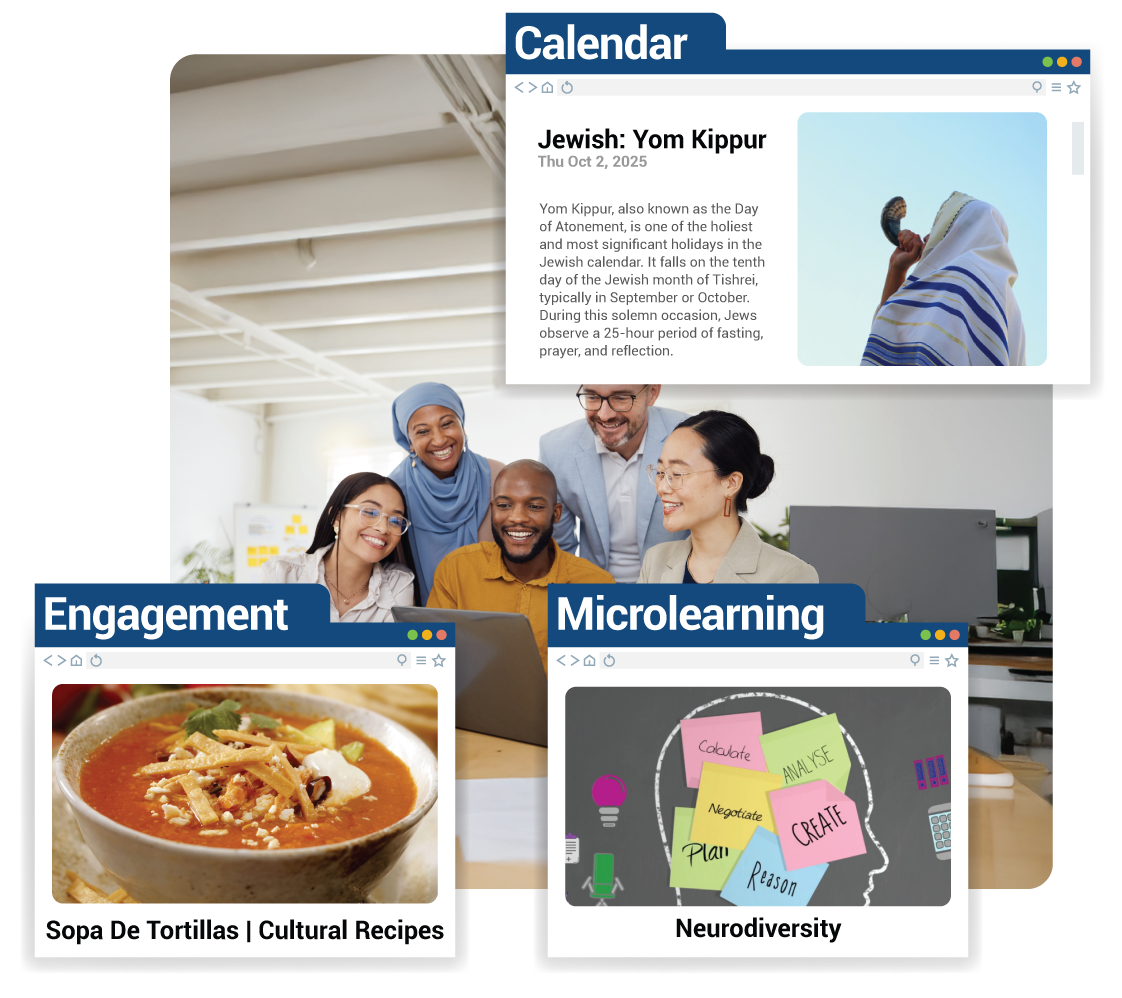
Ensure that your company’s newsletter, website, blog, and other communications honor different cultural backgrounds. Our Diversity Calendar is an effective tool to stay up to date and strengthen your inclusive practices. This not only creates a sense of community and belonging within your team, but also signals to prospective candidates that they will be valued and treated as individuals when they join.
Tap into networks that prioritize diversity
Instead of recruiting talent solely from your existing circles, actively seek out networks that support people from diverse backgrounds. Online platforms are home to communities built around shared identities and skills, making them prime sources of diverse talent. Inclusive practices in hiring will ensure a broader, richer candidate pool.
Maintain consistency in your processes
One challenge of remote and hybrid work is the lack of a physical office space to anchor daily routines. This can lead to inconsistent practices, especially in hiring and onboarding. Make sure each new hire goes through a consistent onboarding process and receives the right level of coaching and support. Mentorship connections can help ensure that new hires feel included and supported from day one.
Break down silos
In remote work environments, it’s common for people to stick to familiar groups, limiting interaction with others. These silos can stall progress towards building a diverse and inclusive team. Encourage work processes or virtual events that bring colleagues together who might not typically interact, building stronger connections and a more inclusive community within your organization.
Don’t let disability and mental health go unnoticed
Disabilities may be less visible in remote or hybrid teams, but that doesn’t mean they disappear. It’s essential to ensure that employees with disabilities receive the same level of respect and support they would in an office environment. Regular check-ins on your team’s mental health and wellness are crucial to keeping everyone engaged. This is even more important in remote settings, where burnout or personal struggles might be harder to notice through digital interactions.
Why It Matters for Remote Work Success
Hybrid and remote work can help build a diverse and successful team, but only if leaders prioritize inclusive practices. By leveraging the flexibility of online work and using digital tools to build individualized communication, leaders can drive diversity, equity, inclusion, and belonging in powerful new ways. However, it’s essential to continuously adapt hiring and management practices to ensure remote work doesn’t reverse progress.
Ready to take your inclusive practices to the next level? Explore our Diversity Calendar to stay updated on cultural and religious observances and enhance your DEI efforts today!