


Learn strategies for handling controversial discussion topics in a diverse workplace, ensuring inclusivity, understanding, and support.
The rise of the internet and social media has dramatically changed the way people talk about current events. People now have more freedom and platforms to express themselves and support their causes in ways that reach wider audiences than ever before. Access to news, information, and the ability to do their own research has also greatly improved with digital and mobile technology. However, this increased connectivity also applies to divisive and controversial discussion topics, from domestic cultural debates to global affairs.
In a diverse workplace, people may find themselves on different sides of an issue. Navigating these situations can be challenging, but ignoring them is often impossible as the impact of these debates is felt across supply chains, media, politics, and pop culture. Water-cooler conversations and social media trends will happen. Here are some general tips for handling controversial discussion topics when they arise.
Tips for Handling Controversial Discussion Topics
Understand the Nuance
Although political winds may blow in one direction or another, it’s important to remember that a diverse workforce will have complex ties to global events. While three employees might feel one way about an issue, a fourth might have a completely different perspective. Signaling support for one group can inadvertently alienate others. Recognizing this nuance is key to maintaining an inclusive workplace environment.
Get Ahead of the Conversation
Some topics, like election results or international conflicts, can become the proverbial ‘elephant in the room,’ especially for employees personally affected by them. Emotions may run high soon after these events are in the news. Employees may hear updates during their commute or on social media breaks. Leaders can preempt disruption by neutrally acknowledging these events and gently discouraging in-depth controversial discussion topics during the workday. Remind employees that support and accommodations are available through the appropriate channels if needed.
Center the Person
While it’s important to keep inflammatory language out of the workplace, this doesn’t mean pretending nothing is happening. Leadership should focus on honoring employees’ personal experiences without weighing in on the topics themselves. This balance is about ensuring there’s enough support for those affected by crises, using private and appropriate measures. Many of the same approaches for mental health and wellness can apply here: offering time and space for religious or spiritual needs, meditation, decompression breaks, or self-care practices is a good place to start.
Take Action on Principles
Sometimes, tension can flare up in the workplace. While professionalism is generally expected, there may be moments when someone overhears or sees something they find harmful. When this happens, it’s crucial to handle the situation with DEI principles in mind. If an employee’s behavior needs to be addressed, focus on the values and expectations that were violated, not the opinions they hold or the side they are on.
The last few years have been marked by intense change and heightened division, making it even more important to find balance and cohesion during controversial discussion topics through strong values, culture, and steady leadership.
Create a Culture of Daily Inclusion
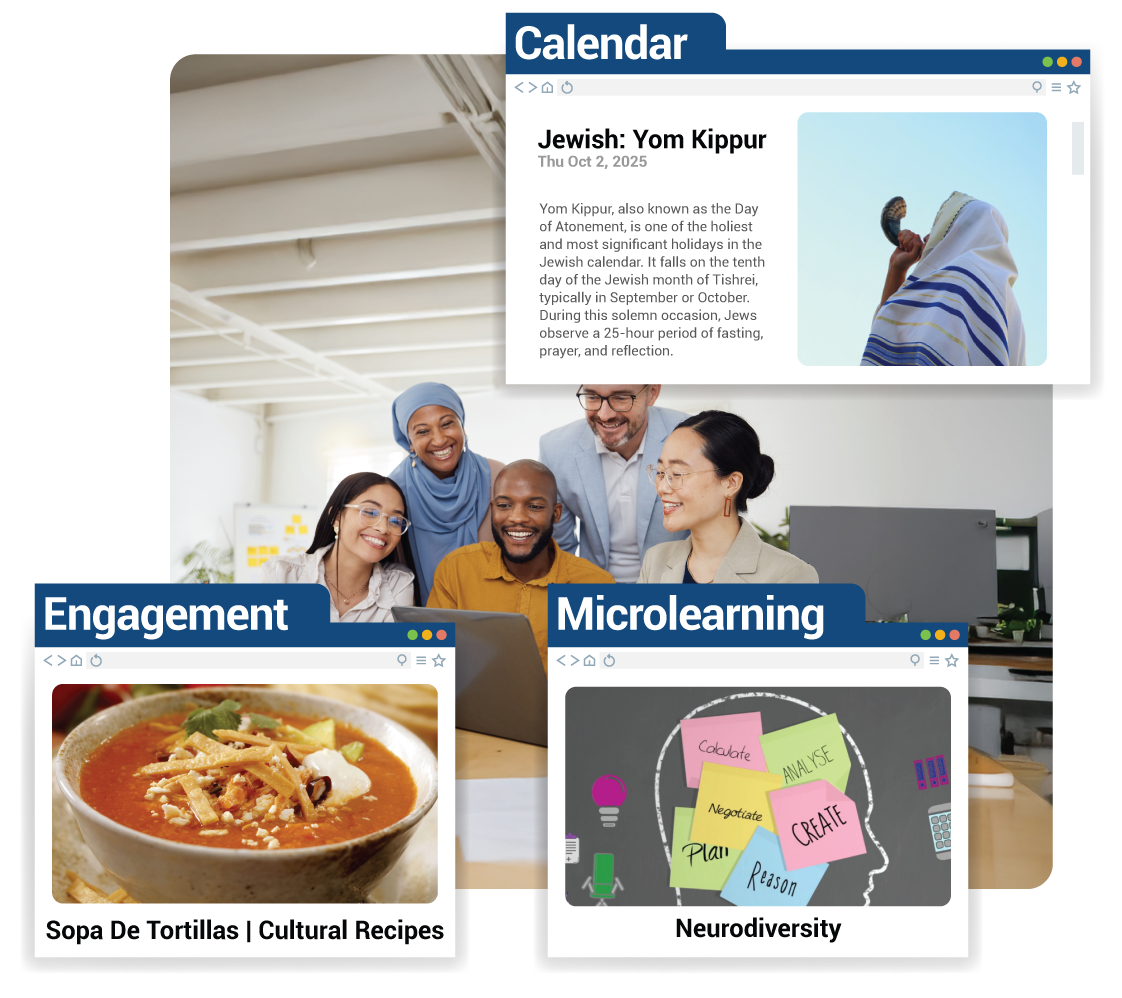
Managing controversial discussion topics in the workplace is just one aspect of creating a truly inclusive environment. Our Diversity Calendar can help your organization take consistent action towards inclusion every day. Sign up for a free trial today and explore how it can support your team in navigating DEI challenges year-round.