


Why DEI roles are disappearing is no longer just a question. It’s a trend affecting workplaces across industries. As layoffs ripple through the tech sector, federal agencies, and even global brands, one type of role keeps showing up on the chopping block: those focused on diversity, equity, and inclusion.
This shift raises a deeper concern: what happens to organizational trust and long-term resilience when inclusion becomes optional?
The Quiet Decline of DEI Positions
A 2024 report by The Washington Post shows that DEI job titles declined by 5% in 2023 and a further 8% in 2024, with attrition rates nearly double those of other roles. Even companies that once made bold DEI commitments like Meta, Snap, and Zoom have scaled back.
What’s causing the pullback?
-
Many DEI roles operate in silos, making them easy to cut during restructuring
-
Some leaders see DEI as non-essential when times get tough
-
Legal and political pressure has made inclusion efforts riskier to sustain
But when these roles disappear, it’s not just DEI work that’s lost it’s part of a company’s moral compass.
Why It Matters Beyond the Numbers
The loss of DEI leadership doesn’t just affect staffing. It damages employee trust, engagement, and retention especially among underrepresented groups.
Cutting DEI sends a clear message: inclusion is conditional. That perception can lead to disengagement and increased turnover at every level of the organization.

Rethinking Inclusion as Strategy, Not Symbolism
To reverse this trend and protect what matters, organizations must move beyond performative inclusion.
Make DEI a Shared Responsibility
When inclusion is embedded in hiring, procurement, team management, and customer experience it’s no longer vulnerable to being “cut.”
Show the ROI of Inclusion
Track real data: employee satisfaction, turnover, engagement, and team performance across different identity groups. Prove that inclusion isn’t just ethical it’s operationally smart.
Build for Pressure, Not Just Praise
True DEI strategy must survive political change, economic downturns, and internal restructuring. Resilient inclusion means designing systems that last.
What the Disappearance of DEI Roles Tells Us
Why DEI roles are disappearing is a litmus test for what organizations value. Those that treat inclusion as expendable are revealing a gap between what they say and how they operate. But companies that protect, evolve, and integrate DEI into their foundation will emerge stronger, more trusted, and better prepared for whatever comes next.
For a deeper look at how to build lasting inclusion in your company, explore our article on Sustainable DEI Strategy That Survives Leadership Changes.
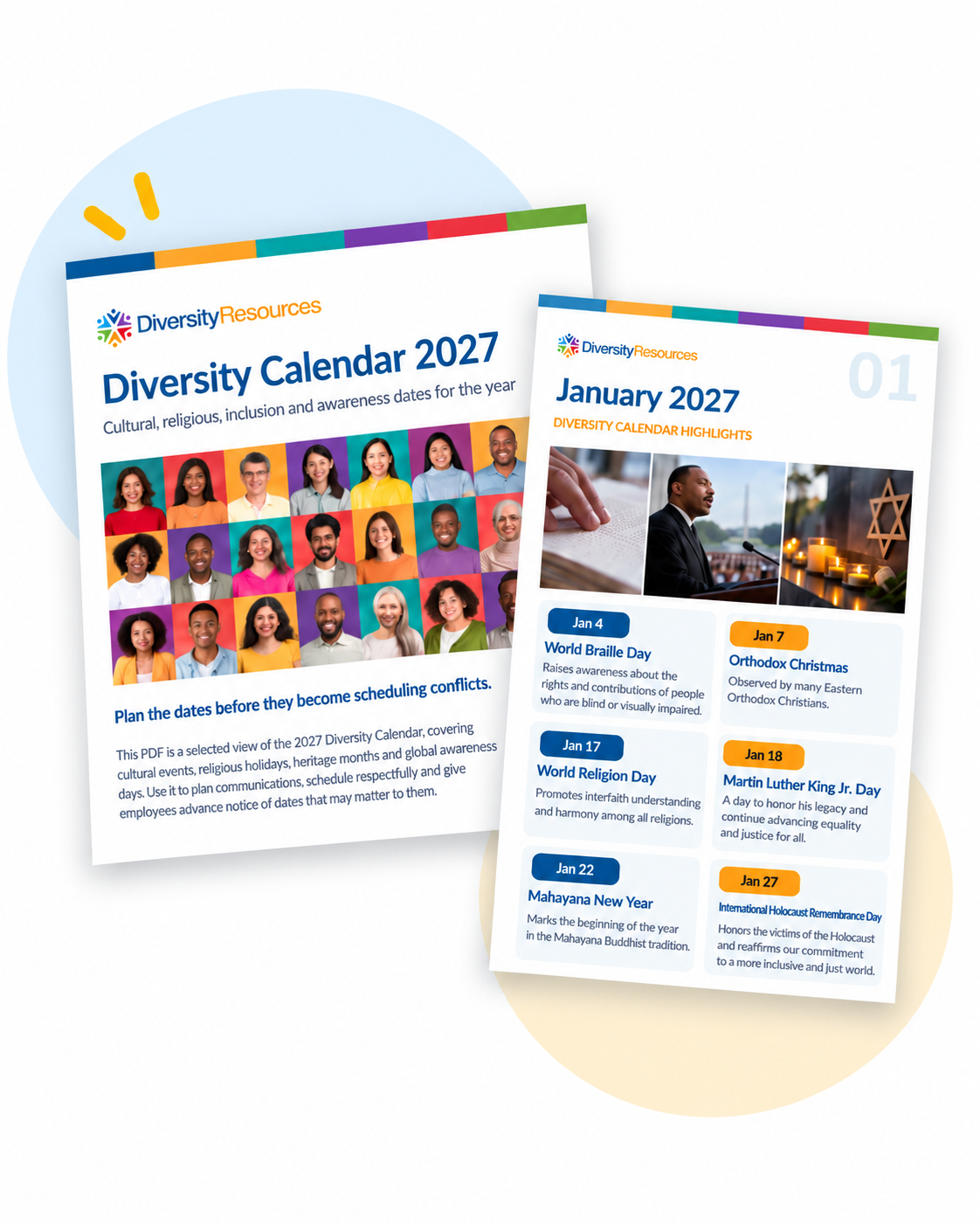

 12 months of selected dates
 Cultural + religious observances
 Heritage + awareness events