


When a new CEO or leadership team steps in, one of the first questions DEI professionals often ask is: Will our diversity, equity, and inclusion efforts still matter tomorrow?
It’s a fair concern. Too often, DEI programs are seen as the passion projects of a single leader or team. When that leadership changes, so does the support – and sometimes, the budget, the visibility, and the momentum. To prevent this cycle, HR and DEI leaders must shift from reactive to resilient. That means building a sustainable DEI strategy that’s not dependent on any one person, but instead deeply rooted in the organization’s DNA.
Here’s how to do it.
Core Values as the Foundation of a Sustainable DEI Strategy
It’s one thing to list “diversity” or “inclusion” on a poster. It’s another to have those values actively guide decisions.
A sustainable DEI strategy starts with your organization’s core values, but not just in writing. Are those values referenced in hiring conversations? Performance reviews? Leadership development? When DEI principles are consistently applied across people operations, they stop being optional. They become part of how the business functions.
Want to explore how values shape long-term success? Check out our article Why Values-Driven Companies Win in the Long Run.
Try this: Revisit your organizational values with your DEI team and leadership. Identify opportunities to translate them into behaviors and expectations across departments.
Make DEI Metrics Everyone’s Business
DEI success can’t rest solely on the shoulders of your Chief Diversity Officer or HR lead. A more sustainable approach spreads accountability across the business.
Include DEI metrics in executive scorecards. Give department heads goals tied to inclusive practices. Train team leads to track and report on inclusion within their teams, not just diversity hiring.
This shared ownership model is a key component of building a sustainable DEI strategy – one that doesn’t rely on a single champion to survive.
Why it works: When DEI outcomes are tied to overall performance and accountability, they stay relevant even as leadership evolves.
Document, Don’t Just Delegate
When leadership changes, undocumented plans and informal practices are usually the first to disappear.
That’s why your DEI framework should live in clear, living documentation. That includes your strategy, goals, metrics, and timelines. More importantly, it should include why your company does DEI – not just what you do.
Without this clarity, it’s hard to build a sustainable DEI strategy that lasts beyond leadership changes.
What to include:
- DEI mission statement and guiding principles
- Strategic objectives and KPIs
- Roadmaps for training, hiring, employee engagement
- Internal roles and responsibilities for DEI execution
This kind of documentation not only survives transitions; it helps onboard new leaders with clarity and purpose.
Cross-Functional Ownership Drives a Sustainable DEI Strategy
Resilient DEI doesn’t live in a silo. It’s shared across teams.
Form an internal DEI council with representatives from different departments and levels. Rotate leadership. Let employees co-create initiatives. This helps avoid a single point of failure if one leader leaves and it builds a culture of shared responsibility. A sustainable DEI strategy depends on broad participation, not just top-down support.
Pro tip: Make space for employee-led groups to present updates to leadership. When DEI is seen as grassroots and cross-functional, it gains staying power.
Keep Storytelling Alive
Leadership may change, but your people’s stories don’t. Use those stories to reinforce why DEI matters.
From onboarding videos to internal newsletters, make space for employees to share experiences related to belonging, cultural identity, or growth. These lived narratives often have more lasting impact than top-down announcements. They humanize your strategy and remind new leaders that DEI isn’t a “nice to have.” It’s real people, real experiences, and real impact.
Stories give life to your sustainable DEI strategy by connecting values with real people.
Final Thoughts: DEI That Lasts
Leadership changes are inevitable. But losing progress on diversity, equity, and inclusion doesn’t have to be. When you build a sustainable DEI strategy, you’re not just checking boxes; you’re creating a framework that endures. One that’s supported by your values, carried by your teams, and felt across your organization.
And that kind of DEI? It doesn’t just survive leadership transitions – it thrives through them.
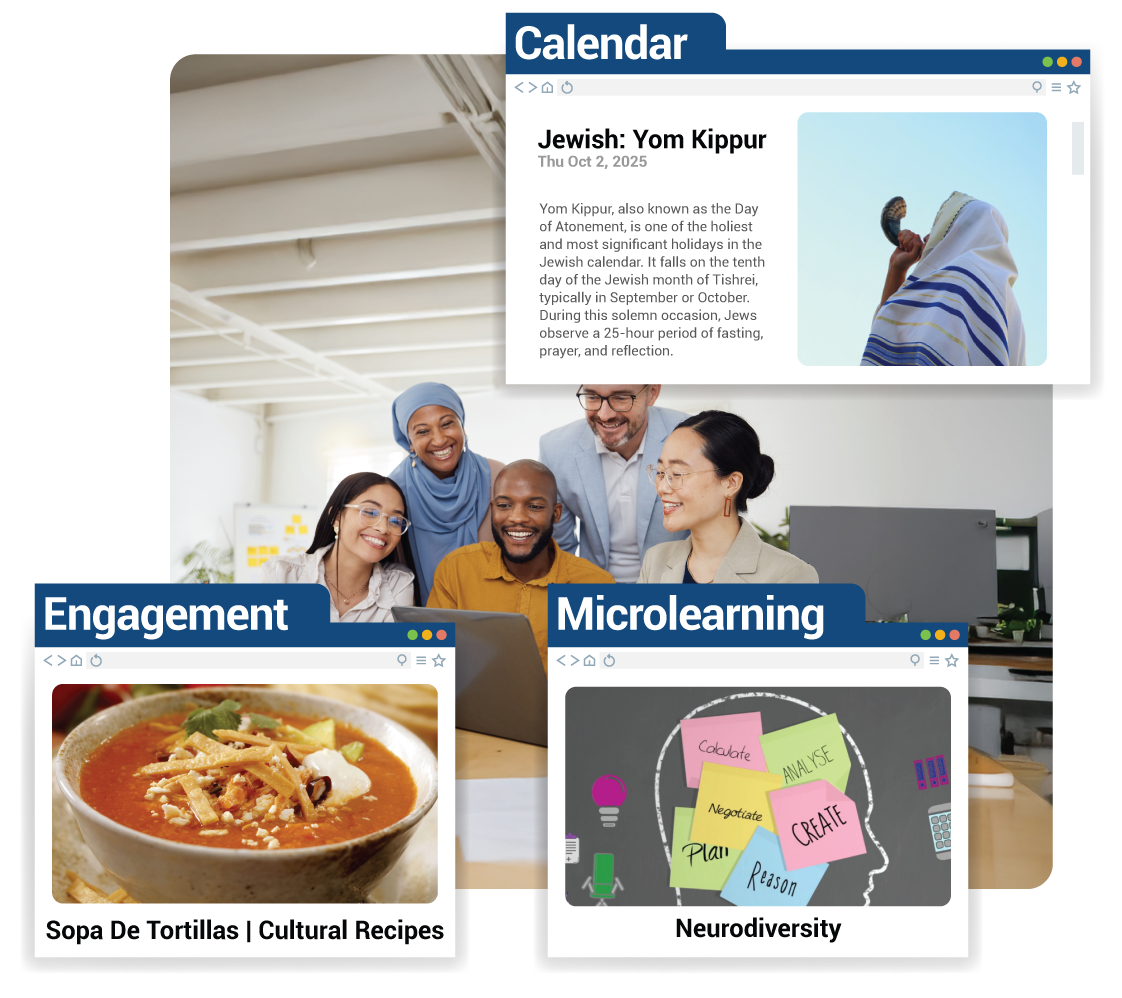
Looking for practical tools to support your DEI strategy year-round? Explore the Belonging Calendar by Diversity Resources to build inclusion, connection, and understanding in the workplace.