


In today’s turbulent business climate, it’s tempting for organizations to press pause on anything that doesn’t feel like a direct line to the bottom line. But when it comes to diversity, equity, and inclusion (DEI), the cost of pulling back may be far greater than the perceived savings especially when it comes to talent retention.
Recent insights from HR Today highlight a clear risk: companies that scale back DEI efforts are seeing higher turnover and declining engagement. And it’s not just a short-term dip research from Catalyst and NYU’s Meltzer Center confirms that these moves can increase legal exposure, weaken brand reputation, and ultimately jeopardize long-term talent strategies.
How Scaling Back DEI Threatens Talent Retention
When organizations reduce or rebrand their DEI initiatives whether due to public pressure, shifting politics, or budget constraints they often fail to account for how deeply these programs are tied to trust and culture.
Employees, particularly those from underrepresented groups, see DEI as more than a set of workshops or affinity groups. It’s a signal of whether they are seen, supported, and safe. Pulling back even subtly can be interpreted as a devaluation of that commitment. That perception can accelerate attrition, especially among high-performing talent who have more choices in today’s job market.
And the risk doesn’t stop with those who leave. For those who stay, disengagement can quietly take root lowering productivity, dampening innovation, and eroding team cohesion. This growing disengagement directly impacts talent retention and long-term team cohesion.

Why DEI Budget Cuts Risk Long-Term Talent Retention
The data on the benefits of DEI remains consistent: inclusive companies outperform, attract broader talent pools, and retain employees at higher rates. But the landscape around DEI is shifting.
Organizations are feeling squeezed by competing pressures: political scrutiny, legal ambiguity, and shareholder demands. Some are choosing to rebrand DEI efforts under broader umbrellas like “belonging” or “people strategy.” Others are slashing budgets or dissolving DEI roles altogether.
But this reactionary approach can backfire. Not only does it put talent retention at risk, it can invite legal and reputational consequences. According to the Catalyst and NYU Meltzer research, companies that scale back without clear justification increase their exposure to discrimination claims and weaken the trust of employees, customers, and investors alike.
Even as some companies reassess their priorities, most organizations are choosing to maintain or grow their investment in DEI. In fact, 23% of DEI budgets are increasing in 2025, and the majority are holding steady, suggesting that the smartest leaders are playing the long game.
These shifting dynamics make it even more urgent to protect strategies that strengthen talent retention across all levels of the organization.
Recalibrate DEI to Protect Talent Retention
Rather than retreat from DEI, forward-looking companies are choosing to recalibrate. Here’s how HR and business leaders can respond with clarity, strategy, and care:
1. Communicate Transparently
If you’re shifting your DEI strategy, explain why and how. Vague announcements or quiet dissolutions erode trust. Clear, authentic communication signals to employees that leadership is adapting not abandoning.
2. Reassess Risk with Legal Counsel
Before making changes, conduct a legal and reputational risk assessment. Consider how cutting DEI roles, resource group funding, or inclusive hiring practices could open your organization to liability or public backlash.
3. Refocus on Inclusive Hiring
Rather than shelving inclusive hiring practices, refine and expand them. Use data to identify gaps in representation and progression. Refresh job descriptions, train hiring managers, and build more inclusive interview processes that support equitable outcomes.
4. Elevate Inclusion in the Flow of Work
Make inclusion part of daily team culture, not just an HR initiative. Simple rituals like inclusive meeting practices or accessible communication norms can reinforce a sense of belonging and help retain top talent without requiring large budgets.
5. Measure What Matters
Shift from vanity metrics to impact metrics. Engagement scores, retention rates by demographic, promotion equity, and qualitative feedback all provide insight into how your culture is actually experienced by employees. When tracked over time, these metrics reveal how inclusion practices directly influence engagement and talent retention.
Talent Retention Hinges on Cultural Credibility
Scaling back DEI may feel like a quick fix in a time of uncertainty but the long-term costs to talent retention, trust, and organizational health are far greater. In a labor market where values matter and reputation travels fast, employees are watching what companies do, not just what they say.
Recalibrating DEI doesn’t mean watering it down. It means re-centering efforts on what actually drives inclusion, engagement, and loyalty. It means showing your workforce that even in challenging times, they are still your priority.
Because in the end, retaining talent isn’t about perks or paychecks alone. It’s about building a workplace where people know they belong and where they can thrive.
Want to embrace daily belonging? Try out our Belonging Calendar.
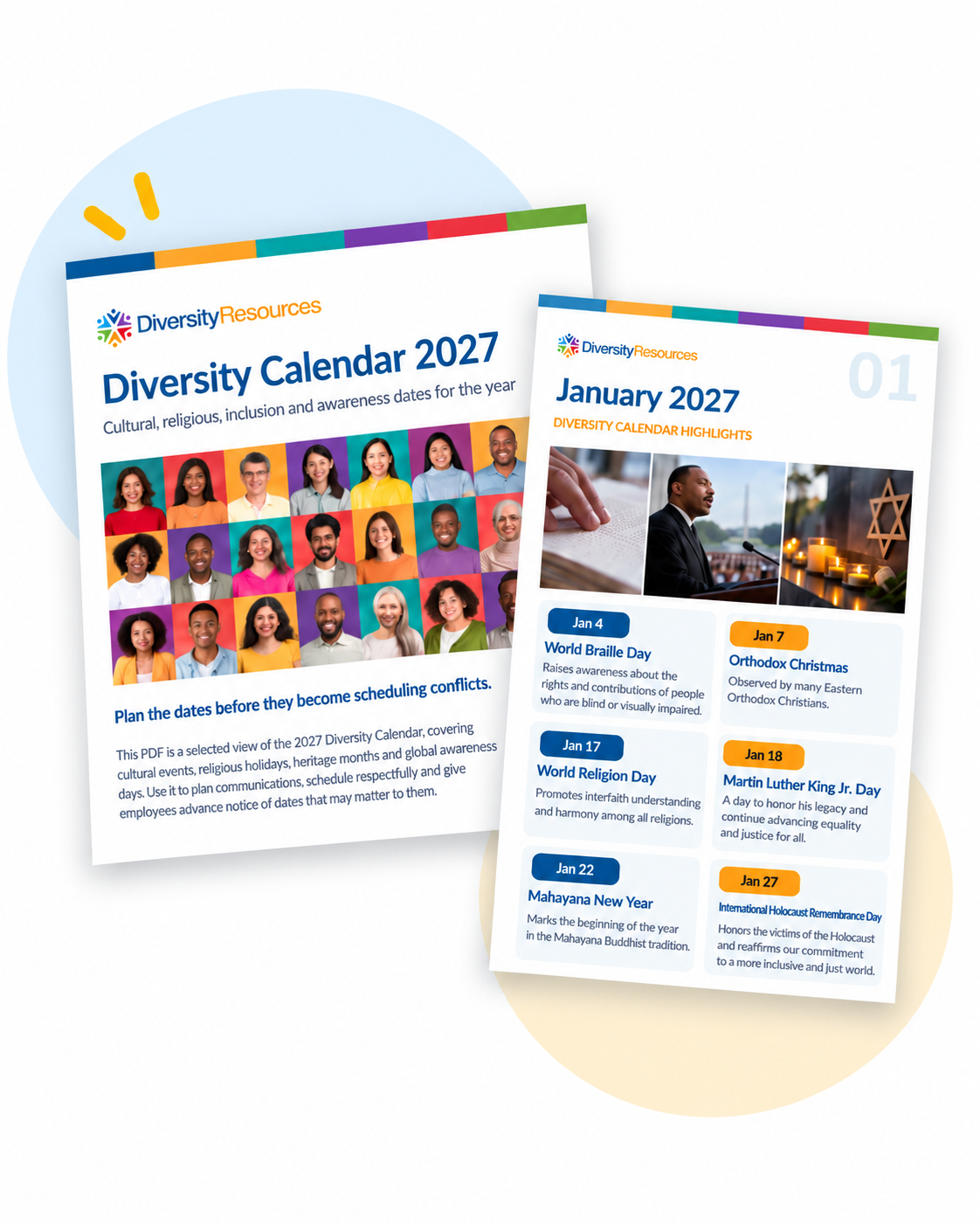

 12 months of selected dates
 Cultural + religious observances
 Heritage + awareness events