Facebook Pixel

Religious Observance Dates: Why You Can’t Rely on AI

Religious observance dates are one of the most common questions people ask AI tools today. As AI becomes part of everyday work, many teams assume they can simply ask a chatbot for holiday calendars, observance explanations, or inclusion guidance and move forward confidently.

That assumption is risky.

When it comes to religious observances, being almost right is still being wrong.

Why Religious Observance Dates Are Difficult to Standardize

AI tools do not pull from a single verified calendar. They generate responses based on patterns across large and often conflicting datasets. That creates problems when religious observance dates depend on factors that are not fixed or universal.

This is especially true for lunar calendars, where dates can shift year to year and vary by geography or religious authority. Ramadan, Eid, Easter, Diwali, and many other observances are not tied to one global date. AI frequently presents a single date as definitive, even when multiple dates are widely observed.

Regional and denominational differences are another issue. Within the same religion, communities may follow different traditions or calculations. AI tends to flatten those differences into one generalized answer.

How AI Generates Religious Observance Dates Incorrectly

The issue is not only that AI can be wrong. It is that it often sounds certain. That confidence can stop teams from double checking.

Once a religious observance date is shared internally, it becomes a signal of recognition and respect. If that date is incorrect, even by a day, the damage is already done. Corrections do not always repair the trust that was lost.

Employees notice when their traditions are treated casually.
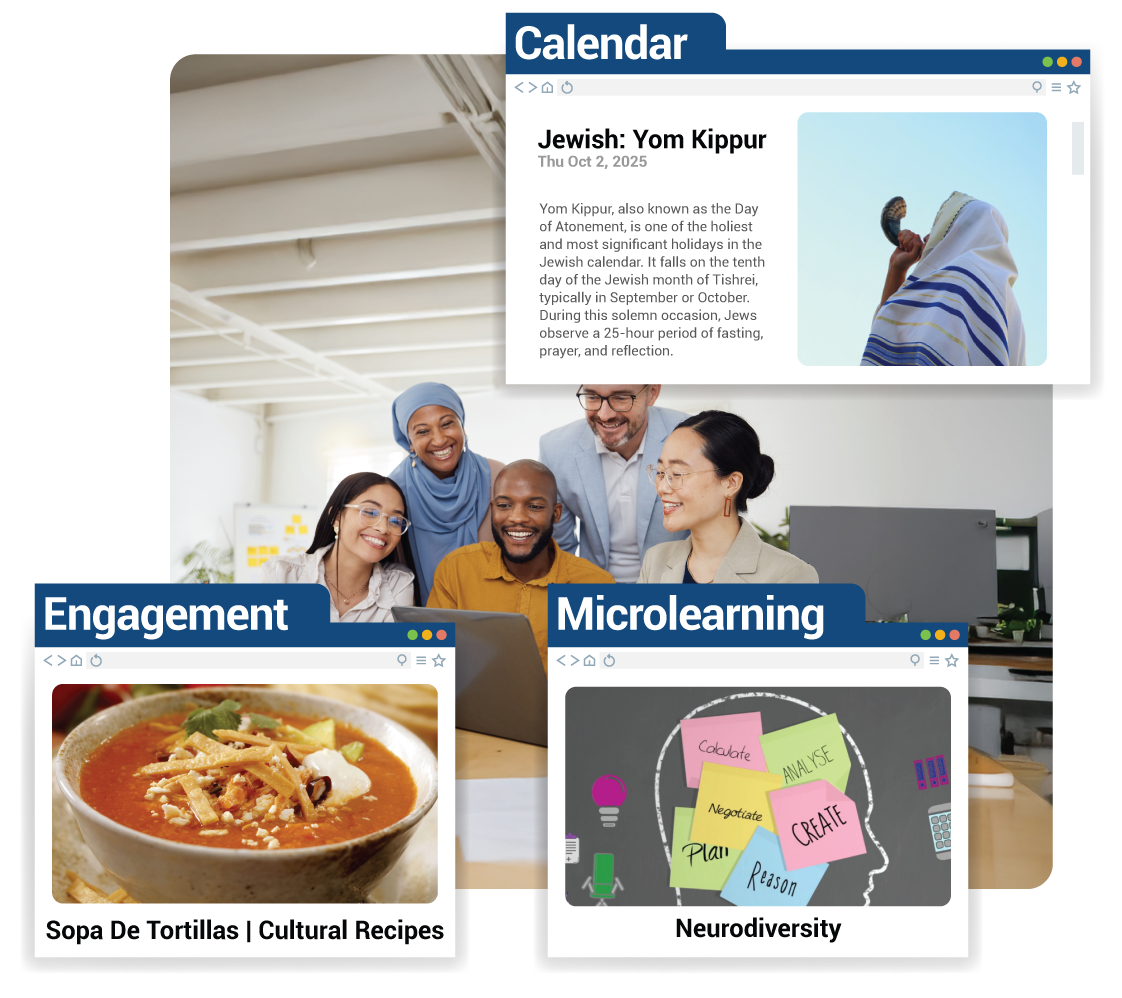
The Workplace Risks of Inaccurate Religious Observance Dates

Religious observance dates are not just calendar entries. They come with meaning, preparation, and specific practices that affect how people show up at work.

AI explanations often compress this nuance into short summaries that sound reasonable but miss critical context. An observance may be described as celebratory when it is reflective or solemn. Workplace implications such as fasting, prayer schedules, or time off needs may be overlooked entirely.

This kind of simplification leads to misrepresentation, even when intentions are good.

The Risk of Outdated and Western-Centered Information

AI models are trained on historical data and widely available sources. That means some religious observance dates or explanations may already be outdated. Others are filtered through Western academic or media lenses that do not reflect lived experience.

Lesser known traditions and smaller communities are especially vulnerable to being generalized or misunderstood. When organizations rely on AI generated summaries, they inherit those gaps without realizing it.

Why Religious Observance Dates Require Accountability

Workplace inclusion requires accuracy, consistency, and accountability. Religious observance dates affect scheduling, internal communications, events, and workload planning.

AI cannot explain its sources. It cannot guarantee consistency across time or platforms. It cannot take responsibility when information is wrong.

Probabilistic answers are not appropriate when people’s beliefs and identities are involved.

Using AI Responsibly in Inclusion Work

AI can still be useful when it stays in the right lane.

It can support brainstorming, help draft early messaging, or surface questions that teams should verify. What it should not do is act as the final authority on religious observance dates or cultural guidance.

A practical rule is simple: use AI to explore, not to certify.

Convenience Versus Credibility

AI feels efficient because it is fast. Credibility takes more effort.

Sharing an incorrect date sends a message, even if unintentionally. It suggests that speed mattered more than care. Employees understand the difference.

A Clear Takeaway for HR and People Teams

AI can support inclusion work, but it should not replace verified, purpose built resources when accuracy and trust matter. Religious observance dates are not just information. They are signals of respect.

Using reliable sources shows employees that their identities are taken seriously. Relying on AI alone risks sending the opposite message.

When it comes to religious observance dates, getting it almost right is still getting it wrong

Inclusion Strategy in 2026

In 2026, inclusion is no longer a side conversation about culture or a line item in a values deck. Instead, organizations operating in complex, regulated, and competitive environments now treat inclusion strategy as a core business function. It directly shapes legal risk, workforce performance, talent access, and long-term resilience.

Leading organizations are not the most vocal about inclusion. Rather, they are the most structured and intentional. They build inclusion into operations, governance, and decision-making. As a result, inclusion increasingly sits at the intersection of compliance, performance, and competitiveness rather than values alone.

Why Compliance Must Anchor Modern Inclusion Strategies

Modern inclusion strategies must begin with compliance. Employment law, human rights requirements, accessibility standards, pay equity rules, and data protection regulations continue to evolve. At the same time, organizations operate across multiple jurisdictions where obligations often overlap.

When organizations overlook compliance, risk increases. Unclear policies, inconsistent practices, or symbolic initiatives often expose organizations to complaints, audits, and reputational harm. Research on building a sustainable DEI strategy that can survive leadership changes shows that organizations with clear governance and accountability structures are far better positioned to manage change without disruption.

For HR and People leaders, this shift is significant. Inclusion can no longer exist outside legal and risk frameworks. Instead, leaders must design inclusion strategies that withstand leadership transitions, regulatory scrutiny, and external pressure.

Moving From Awareness to Measurable Outcomes

For many years, organizations focused inclusion efforts on awareness. Training sessions, internal campaigns, and messaging helped raise visibility. However, awareness alone does not change systems or results.

Today, organizations expect inclusion strategies to deliver outcomes. Leaders want to see lower turnover, stronger engagement, broader talent pipelines, and more effective leadership. Consequently, organizations now evaluate inclusion using the same standards applied to other business initiatives.

This change reflects a broader market reality. Analysts increasingly point out that DEI strategies tied to performance, risk, and competitiveness continue to receive investment even during periods of economic uncertainty.

Inclusion as a Unifying Force in Hybrid and Global Teams

Today’s workforce is more distributed than ever. Hybrid work, remote teams, and global collaboration have reshaped how employees experience connection at work.

In this environment, inclusion depends less on shared messaging and more on shared systems. Clear expectations, fair access to opportunity, consistent performance standards, and transparent decision-making help maintain cohesion across teams.

HR leaders play a central role in building these systems. When inclusion strategy provides clarity and consistency, employees experience fairness regardless of location or role. Without that structure, fragmentation often leads to disengagement and reduced performance.

Barrier-Free Hiring as a Business Advantage

As labor markets tighten, organizations cannot afford to overlook qualified talent. Barrier-free hiring practices now offer a clear advantage.

Inclusive job design, accessible recruitment processes, flexible qualification criteria, and structured assessments expand talent pools and shorten hiring timelines. As a result, organizations with mature inclusion strategies attract and retain talent more effectively.

The Risks of Unstructured Inclusion Efforts

When inclusion strategies lack structure or alignment, risks multiply. Conflicting initiatives confuse employees. Inconsistent messaging weakens trust. Practices that lack legal alignment expose organizations to complaints and scrutiny.

More importantly, unstructured efforts damage credibility. Employees quickly recognize when inclusion exists in language but not in systems. Over time, leaders lose confidence in strategies that fail to show impact.

In contrast, organizations that govern inclusion as a business strategy build alignment, trust, and resilience. They are better prepared for regulatory change and workforce shifts.

Inclusion as Strategy, Not Symbol

By 2026, the question is no longer whether inclusion matters. The real question is whether organizations manage it with discipline and intent.

Organizations that rely on symbolic gestures risk falling behind competitors that embed inclusion into risk management, workforce planning, and performance frameworks. A strong inclusion strategy supports people while strengthening the business.

For HR and People leaders, this represents a clear opportunity. When inclusion becomes a strategic capability rather than a cultural add-on, it drives cohesion, stability, and long-term success.

ERG Strategy: How HR and ERGs Can Learn from Each Other

A strong ERG strategy is becoming essential in today’s workplace. Employee Resource Groups (ERGs) are no longer just social or cultural spaces; they’re becoming strategic assets that support inclusion, innovation, and retention. As organizations seek new ways to respond to employee needs and build belonging at scale, ERGs have taken on a more formal, influential role. This transformation is helping reshape DEI work across industries, especially when ERGs are empowered to drive change from within.

But this evolution also comes with a need for stronger alignment between ERGs and HR. When the two work together strategically, the results go beyond engagement they drive business value. That’s where a strong ERG strategy comes in: one that encourages mutual learning, shared ownership, and scalable impact.

Let’s explore what HR can learn from ERGs and what ERGs can learn from HR plus some actionable ways to build better partnerships.

What HR Can Learn from ERGs

1.Deeper Insight into Employee Experience
ERGs are often closer to the day-to-day realities of underrepresented or overlooked employee groups. They can surface pain points, blind spots, or cultural barriers that may not show up in engagement surveys.

Action:
HR leaders should regularly meet with ERG leaders to listen, not just report. Build space for ERGs to shape policy updates, benefits design, or internal comms strategies.

2. More Authentic DEI Storytelling
ERGs offer lived experiences that go beyond metrics. Their stories bring a human face to DEI and help reframe it from a corporate initiative to a people centered effort.

Action:
Partner with ERGs to co-create DEI messaging, internal campaigns, or onboarding experiences that reflect real voices.

3. Grassroots Innovation
ERGs are uniquely positioned to experiment from launching mentorship circles to piloting inclusive hiring practices. Their initiatives often come with strong buy-in from communities that want to see change.

Action:
Treat ERGs as incubators. Offer them small budgets, internal visibility, and a process for testing and scaling new ideas.

4. Feedback Loops That Build Trust
Many ERGs have built credibility and psychological safety among members. When HR taps into those trusted channels, it opens up more honest and nuanced feedback.

Action:
Co-develop listening tours, focus groups, or anonymous feedback mechanisms with ERG involvement to increase response depth.

5. Signals for Emerging Trends
ERGs often detect issues earlier than formal systems. Whether it’s quiet quitting, generational tensions, or shifting expectations, ERGs serve as an early warning system.

Action:
Make ERG insights a recurring part of HR’s strategic planning cycle.

HR can use these insights to adjust policy and shape a responsive ERG strategy that reflects employee realities.

What ERGs Can Learn from HR

1. Governance and Structure
Great ideas need the right framework to be sustainable. HR brings experience in setting goals, tracking metrics, and establishing accountability.

Action:
Work with HR to build a simple operating model for your ERG, including a mission statement, yearly goals, and a succession plan.

2. Budgeting and Resource Planning
Many ERGs operate on volunteer energy, which can lead to burnout. HR can help secure and allocate resources in a way that protects both people and impact.

Action:
Collaborate on a yearly ERG budget request, making the case with data and outcomes that align with business priorities.

3. Strategic Alignment
ERGs thrive when their work is tied to broader organizational goals. HR can help ERGs map their initiatives to company values, culture goals, or talent strategies.

Action:
Ask HR for help connecting your ERG’s activities to key metrics like engagement scores, retention data, or talent development pipelines.

4. Leadership Development
Serving as an ERG lead can be a powerful growth opportunity. HR can help ERG leaders build skills in facilitation, strategy, and communication that support their careers.

Action:
Create a formal learning pathway or mentorship program that recognizes and builds on ERG leadership roles.

5. Policy Influence
ERGs often want to shape workplace policies but may lack the access or tools to do so. HR can coach ERG leaders on how to write proposals, build allies, and present ideas effectively.

Action:
Co create a policy review calendar that invites ERG participation throughout the year not just during awareness months.

Structure and resources are vital parts of a sustainable ERG strategy.

Building a Collaborative ERG Strategy

The most impactful ERG strategies aren’t built in silos. They’re rooted in partnership between people, teams and passionate communities inside the organization. When HR and ERGs learn from each other, they unlock a cycle of continuous improvement that benefits everyone.

If you’re an HR leader, now’s the time to go beyond sponsoring ERGs. Show up, listen actively, and invest in their success. And if you’re an ERG leader, don’t hesitate to lean on HR’s expertise to take your group from grassroots to strategic. Together, you can create a more inclusive and innovative workplace one that’s built for real belonging.

Want to make inclusion part of your everyday operations? Discover how our Belonging Calendar can help you embed belonging into your culture with actionable tools, insights, and resources for real impact.

Culture-War Politics in School Board Elections

In recent school board elections across the United States, a clear pattern has begun to emerge. Voters in states from Pennsylvania to Texas to Ohio are stepping away from culture-war politics and signaling a renewed focus on the fundamentals of public education. Rather than rewarding candidates who center their campaigns on ideological battles, many communities are choosing leaders who prioritize academics, fiscal responsibility, and the everyday work of running effective schools. This shift reflects growing voter fatigue with culture-war politics at the local level, particularly when political conflict overshadows effective school governance.

According to recent reporting on the 2025 school board elections, Democratic-backed candidates reclaimed numerous seats after years of partisan takeovers driven by disputes over curriculum, book bans, and transgender rights. The shift does not suggest that cultural issues no longer matter to voters. Instead, it points to growing fatigue with conflict-driven governance and a desire to return school boards to their intended role.

Why Voters Are Turning Away from Culture-War Politics

For many voters, school boards stopped feeling local. Meetings became heated, decision-making slowed, and national talking points increasingly replaced community dialogue. What were once operational bodies responsible for budgets, staffing, and educational outcomes became symbolic battlegrounds in larger political struggles.

Over time, this tension came at a cost. Teachers faced burnout, administrators struggled to move initiatives forward, and parents saw less attention paid to learning outcomes and student support. In 2025, voters appeared ready for a reset. Candidates who emphasized stability, collaboration, and practical problem solving gained traction over those focused on confrontation.

This shift reflects less a rejection of values and more a rejection of constant escalation. Voters are signaling that effective governance matters and that ideological intensity is not a substitute for competence.

How Culture-War Politics Turned School Boards into National Flashpoints

The transformation of school boards into national flashpoints did not happen overnight. As debates over curriculum content, inclusion, and identity grew stronger across the country, local education systems became convenient arenas for broader cultural arguments. Topics like how schools teach history or support LGBTQ+ students became focal points in national debates, framed as extreme issues rather than practical policy discussions.

Media attention and organized political campaigns amplified these dynamics. In many districts, nuance disappeared, replaced by all-or-nothing rhetoric. As a result, boards spent disproportionate time managing conflict rather than improving educational quality. As culture-war politics intensified, many school boards became less focused on academic outcomes and more consumed by political signaling.

The recent election results suggest that communities are reconsidering this approach. Voters appear to be asking whether prolonged conflict actually serves students or strengthens trust in public institutions.

What This Means for Leaders and Organizations

For HR, communications, and DEI leaders, this moment offers an important insight. The rejection of culture-war politics in education mirrors sentiments increasingly visible in workplaces. Employees want clarity, fairness, and respect, but they are often wary of messaging that feels overly ideological or disconnected from daily realities.

Election outcomes often reflect a broader desire for pragmatic leadership and clear priorities. The same principle applies inside organizations. When inclusion efforts are framed around shared goals, operational impact, and lived experience, they are more likely to build trust. When they feel abstract or combative, engagement tends to decline.

This does not mean avoiding difficult conversations. It means approaching them with intention, context, and an understanding of how people experience change on the ground.

Looking Ahead to 2026

Whether this shift marks a lasting realignment remains to be seen. Still, the recent school board elections suggest that many communities are seeking a lower temperature and a higher standard of governance. They are prioritizing results over rhetoric and collaboration over conflict, signaling growing fatigue with culture-war politics in local decision-making.

For organizations planning for 2026, the implications are significant. Culture, inclusion, and belonging remain essential, but how they are discussed matters more than ever. Leaders who emphasize transparency, practical impact, and respect for differing perspectives are better positioned to maintain trust and momentum in an environment shaped by ongoing debates around culture-war politics.

If the move away from culture-war politics continues, it may create space for more constructive engagement around inclusion both in schools and in workplaces. That space, grounded in clarity and care, is where sustainable culture and meaningful connection are most likely to grow.

The Role of Employee Resource Groups (ERGs) in Driving DEI

Learn how Employee Resource Groups (ERGs) can drive DEI efforts by boosting inclusion, diversifying talent, and strengthening communication.

Employee Resource Groups, or ERGs, are communities of workers within a company that organize around a shared identity. They align the organization’s goals with their employees’ lived experiences and expectations. While many organizations are actively pursuing DEI goals, not all have a robust framework to support these aspirations. ERGs are one way to build tangible systems that align values and goals with meaningful results.

ERGs have been around in the United States for over 50 years. For example, the Xerox National Black Employees Caucus was established in 1970, providing a space for Black employees to organize and drive change within their workplace. Over time, social movements have led to the establishment of ERGs across industries, representing a wide range of communities.

Today, ERGs are a staple within large organizations. In fact, 9 out of 10 companies on the Fortune 500 list have ERGs, and their influence has only grown since then. These groups are becoming increasingly significant for both the employees they represent and the leadership teams they engage with.

If you’re working toward DEI goals in your organization, here are key ways ERGs can help foster that growth.

How ERGs Can Help

Diversifying Talent Acquisition

ERGs can broadcast a company’s commitment to DEI to employees, potential hires, and customers alike. This boosts the visibility of DEI programs and expands their impact.

For example, having ERG members at recruitment events can signal to potential employees that they will be welcomed and heard at the organization. ERGs can also serve as a bridge for new hires from historically underrepresented groups, helping them find inclusion and community in the workplace quickly.

Boosting Inclusion

ERGs directly improve inclusion by providing a space where employees with a shared identity can voice their unique concerns. They also support retention by removing barriers and opening channels of communication that might otherwise be overlooked. An inclusive HR calendar is a great way to support this.

Better Communicating Needs and Concerns

Diversity is multifaceted and extends beyond categories on a census. Employees from different backgrounds often report that their concerns are not always heard. ERGs offer a platform for addressing issues like unfair practices, biased processes, or microaggressions. These concerns, when shared through ERGs, are more likely to reach leadership in a clear and transformational way.

Social Impact

ERGs often lead community-focused activities, such as panels, volunteer opportunities, or charity drives, which strengthen a company’s outreach and visibility. This reinforces the organization’s connection to the diverse communities it serves, improving both its reputation and tangible community engagement.

A Powerful and Meaningful Resource

Employee Resource Groups help embed DEI values into an organization’s structure. They provide a welcoming space for employees to advocate for change and have a meaningful impact on everything from talent acquisition to employee engagement to community connection.

Ready to strengthen your inclusion strategy? Discover how our Belonging Calendar can support your efforts and drive meaningful change within your organization.

Future of Employee Resource Groups

For decades, employee resource groups (ERGs) have been a cornerstone of workplace culture. They began as safe spaces for employees with shared identities or experiences to connect, find community, and build a sense of belonging. These groups helped employees navigate workplaces that often overlooked or marginalized their voices.

But today, ERGs are undergoing a transformation. Organizations are recognizing that ERGs are critical to business. When aligned with strategy, they can become powerful drivers of innovation, talent development, customer insight, and brand reputation.

The Traditional Role of Employee Resource Groups (ERGs)

Historically, ERGs were built around identity whether race, gender, orientation, ability, or other dimensions of diversity. Their goals were primarily social: community-building, cultural celebrations, networking, and employee support. They served as a visible sign of inclusion, signaling to employees that their company valued them.

These contributions remain vital. A strong sense of belonging boosts engagement, retention, and morale. Yet many organizations are now asking: How can ERGs also help move the business forward?

How Employee Resource Groups Align with Business Goals

The next generation of employee resource groups is redefining impact. Rather than being seen solely as affinity networks, ERGs are being positioned as strategic partners. This shift is changing how companies think about their purpose and potential:

  • Product Feedback: ERGs provide direct insight into diverse customer needs. From influencing product design to ensuring inclusive marketing, ERGs can help companies avoid blind spots and better serve global markets.
  • Talent Development: ERGs are becoming leadership pipelines. Members often gain visibility, mentorship, and opportunities to lead initiatives developing skills that strengthen the future workforce.
  • Brand Reputation: ERGs extend an organization’s voice into communities, building credibility and authenticity. Their community service, partnerships, and advocacy enhance how the brand is perceived internally and externally.

What ERGs Need to Thrive

If ERGs are to deliver both cultural and commercial value, organizations must invest in them with the same seriousness given to any strategic function. That means:

  • Executive Sponsorship: Leaders who champion ERGs not only legitimize their work but also ensure alignment with business priorities
  • Dedicated Budgets: Successful groups need resources for programming, professional development, and initiatives that extend their reach
  • Clear Metrics: Companies should measure impact on recruitment, retention, leadership development, and business outcomes so ERGs are seen as essential contributors, not side projects

A successful ERG strategy takes into account how HR and ERGs can learn from one another to build stronger, more strategic partnerships.

Looking Ahead: Maximizing Impact

The future of employee resource groups is not either/or culture or business. It’s both. ERGs that remain authentic communities while also influencing strategy will deliver the greatest value.

For organizations, this means shifting their lens. ERGs should not only be viewed as employee-led clubs but as vital assets that inform innovation, shape customer connections, and cultivate leaders. With the right support, ERGs can move from community anchors to engines of competitive advantage.

As workplaces continue to evolve, so too will the role of ERGs. The opportunity for executives, HR leaders, and DEI sponsors is clear: invest intentionally, align strategically, and unlock the full cultural and commercial potential of employee resource groups.

DEI Year in Review 2025: How Inclusion Shifted

This DEI year in review looks back at how workplace inclusion shifted throughout 2025 under political, economic, and cultural pressure. While public DEI language became more cautious, many organizations did not abandon inclusion efforts. Instead, they adjusted how the work was framed, where it lived, and how it was sustained internally.

Rather than focusing on visibility or public commitments, companies spent much of 2025 reassessing how inclusion aligned with culture, leadership behavior, and employee trust. The result was not less DEI, but a quieter and more operational approach.

DEI Year in Review: How Inclusion Shifted Under Pressure in 2025

One of the defining characteristics of 2025 was pressure. Political scrutiny, regulatory uncertainty, and economic constraints pushed many organizations to rethink how openly they discussed DEI.

In response, companies began scaling back public-facing language while continuing inclusion work internally. DEI became more closely tied to culture, leadership effectiveness, and employee experience. This shift reflects a broader reframing of how organizations communicate inclusion externally while sustaining it internally, a dynamic explored in Reframing DEI Language in 2025.

Across industries, this DEI year in review shows that the goal was not retreat, but recalibration. Leaders sought ways to reduce reputational risk while maintaining internal momentum.

From Public DEI Commitments to Culture-Led Belonging in 2025

As external messaging became more restrained, internal culture took on greater importance.

Instead of launching new initiatives, organizations focused on strengthening:

  • Manager accountability
  • Psychological safety within teams
  • Fairness in everyday decision-making
  • Trust between employees and leadership

Belonging emerged as a practical framework because it emphasized lived experience rather than terminology. These workplace inclusion trends in 2025 point to DEI becoming more embedded in daily leadership practices rather than positioned as a standalone effort.

Employee Attitudes Reflected in the DEI Year in Review

Employee sentiment in 2025 was shaped by a mix of fatigue and clarity.

After years of disruption, employees were less receptive to symbolic gestures. Trust depended on consistency, not statements. Inclusion efforts that felt disconnected from promotions, workload, or performance management quickly lost credibility.

At the same time, expectations around fairness, respect, and voice remained high. Throughout this DEI year in review, employees paid close attention to whether inclusion showed up during difficult decisions, not just moments of visibility.

What Strengthened and Weakened DEI in 2025

Not all inclusion efforts held up equally in 2025.

Approaches that strengthened included:

  • Quiet DEI embedded into policies and processes
  • Clear internal oversight and accountability
  • Manager-level ownership of inclusion outcomes
  • Learning tied to real workplace situations

Approaches that weakened included:

  • Highly visible initiatives without operational backing
  • One-time training with no follow-through
  • Language-heavy strategies disconnected from employee experience

This DEI year in review highlights that inclusion efforts were most resilient when they were treated as part of how the organization operates, not as an add-on.

Leadership and DEI Trends in 2025

Leaders in 2025 were navigating a delicate balance between reputational risk, employee expectations, and business performance.

The most effective leaders avoided extremes. Rather than abandoning inclusion or overemphasizing messaging, they focused on clarity and internal consistency. One consistent theme across this DEI year in review was the growing emphasis on trust, accountability, and culture over public commitments.

This approach helped protect credibility during a year when mixed signals could easily undermine employee trust.

What This DEI Year in Review Reveals About 2026

Looking ahead, the patterns of 2025 suggest that inclusion is becoming less performative and more embedded.

In 2026, organizations that make progress will be those that:

  • Invest in culture, not just programs
  • Equip managers to lead inclusively every day
  • Measure inclusion through experience, not optics
  • Remain adaptable as language and expectations continue to evolve

Looking ahead, this DEI year in review shows that inclusion is evolving rather than retreating, setting the stage for more sustainable approaches in 2026 and improved employee training trends 2026.

Looking Ahead

For HR, DEI, and People leaders, preparing for the year ahead is not about predicting political shifts. It is about building systems that can withstand change.

That means grounding inclusion in trust, consistency, and everyday leadership behavior. It means designing strategies that continue to support people even when attention fades.

The lesson of 2025 is clear: inclusion lasts when it is woven into how organizations lead, listen, and learn together.

The Future of DEI: Five Trends Shaping Inclusion in 2026

Amid a rising tide of political backlash and calls to rebrand or rollback DEI altogether, it’s easy to feel like the future of DEI is on shaky ground. Headlines suggest fatigue. Budgets are shrinking. Teams are being dissolved or absorbed elsewhere. But beneath the surface, the work of building equitable and inclusive workplaces hasn’t stopped it’s simply evolving.

The future of DEI in 2026 is less about bold slogans and more about strategic resilience. It’s about systems, signals, and substance. For DEI leaders, the challenge now is to keep progress moving not by doubling down on old frameworks, but by adapting to new realities with nuance and foresight. Here are five emerging trends that are reshaping how DEI shows up in the workplace and how leaders can move with them.

5 Key Trends

1. Inclusion-by-Design: Systems That Do the Work
The future of DEI is systems-led. That means building inclusion into the bones of organizational processes from how feedback is gathered to how projects are staffed. Instead of relying on after-the-fact interventions or standalone initiatives, inclusion becomes part of how work gets done.

Why it matters: Inclusive-by-default design reduces reliance on individual advocacy and helps remove friction points before they turn into bias incidents or employee churn.

What to do: Audit your processes with an inclusion lens. Where are the default settings privileging one group over another? Whether it’s performance reviews or team-building activities, rework the structure so fairness isn’t optional it’s automatic.

2. Algorithmic Bias Checks: Tech with Accountability
AI tools are increasingly shaping hiring, promotions, training, and communication. But without oversight, they risk amplifying bias at scale. In 2026, more organizations are adopting algorithm audits and fairness reviews as part of responsible DEI practice.

Why it matters: As AI becomes more embedded in everyday work, unchecked algorithms can quietly reverse hard-won equity gains.

What to do: Partner with legal, IT, and people teams to establish protocols for bias detection in software tools. Make algorithmic transparency part of your vendor requirements. And don’t be afraid to ask hard questions about how “neutral” your tech really is.

3. Intersectional Operations in the Future of DEI
 The future of DEI doesn’t fit in a single chart. Today’s workforce spans multiple identities: race, gender, caregiving status, neurodivergence, disability, faith, and more. Leading organizations are moving toward intersectional data practices and programming that reflect the full spectrum of employee experiences.

Why it matters: One-size-fits-all DEI programs often miss the mark, leading to disengagement among employees who don’t see themselves reflected in the conversation.

What to do: Expand how you collect and analyze demographic data respectfully and securely. Look for overlapping patterns in engagement, attrition, and promotion. When designing ERGs or support programs, consider how different identities intersect, and offer pathways that address complex realities.

4.Resilient DEI and the Future of DEI Strategy
With external pressures mounting, the DEI teams that thrive in 2026 will be the ones that plan for volatility. That means treating DEI less like a campaign and more like a critical function flexible, integrated, and responsive.

Why it matters: Reactive DEI often collapses under pressure. Resilient DEI adapts without losing its core.

What to do: Embed DEI goals into broader organizational strategies from risk management to innovation. Build cross-functional coalitions so the work doesn’t live in one department. And track impact in a way that aligns with business resilience, not just moral appeals.

5. Quiet Commitment: Strategic, Not Performative
As “DEI” becomes a political flashpoint, some companies are choosing quieter but no less intentional paths forward. They’re stripping away labels but deepening the work. Instead of making diversity the headline, they’re weaving equity and belonging into how they lead, hire, and serve.

Why it matters: Flashy statements can invite backlash or skepticism. Subtle, sustained commitment signals seriousness and reduces performative risk.

What to do: Let action lead. Shift focus to inclusive leadership behaviors, inclusive design principles, and inclusive product decisions. Invest in learning experiences that build empathy and awareness without branding them as “DEI training.”

Looking Ahead

The future of DEI is less about the banner and more about the blueprint. In 2026, smart organizations won’t abandon inclusion; they’ll evolve it. They’ll build it into their systems, question their tools, expand their lens, and stay steady through the noise.

For DEI leaders, this isn’t the time to go quiet. It’s the time to go strategic. Because the future of DEI isn’t fading. It’s transforming.

Want to make inclusion part of your everyday operations? Discover how our Belonging Calendar can help you embed belonging into your culture with actionable tools, insights, and resources for real impact.

Top Workplace Inclusion Stories of 2025

If you work in HR or people leadership, 2025 was a noisy year for workplace inclusion. Programs were shut down, lawsuits made headlines, and some companies quietly doubled down while others backed away. Many organizations walked a fine line on DEI as the government ramped up threats on corporate initiatives.

This roundup is a quick catch-up on the workplace inclusion stories people kept talking about in 2025. It is not a trends report, just the major moments that shaped the conversation.

1. Workplace Inclusion in Government: Programs Cut Back Dramatically

Early in the year, several federal agencies moved quickly to dismantle or scale back diversity, equity, and inclusion programs. Entire offices were closed, language was removed from public websites, and long-standing trainings were cancelled or rewritten.

For many public-sector workers, workplace inclusion suddenly became a political flashpoint rather than “nice-to-have” culture work.

2. Big Brands Retreat from DEI, With Consequences

Some large employers pulled back from visible DEI commitments after years of pressure and backlash. Pride campaigns, public goals, and formal DEI roadmaps were scaled down, renamed, or quietly shelved.

The main lesson for many observers was simple: walking away from visible workplace inclusion carries its own reputational and business risks.

3. “DEI Backlash” Named as a Business Risk

Other companies chose a different path. Instead of dropping DEI language, they acknowledged the DEI backlash itself as a risk.

In investor communications, workplace inclusion and the political reaction around it started appearing side by side, treated as part of the same risk landscape. It signaled a shift from “Should we do this?” to “How do we do this responsibly in this climate?”

4. Courts Reshape the Rules on Discrimination

Courts also played a central role in this year’s story. Key rulings clarified that discrimination claims from any group should be evaluated under the same standard, reinforcing that all complaints need serious attention.

At the same time, a high-profile jury verdict against a major HR-focused organization for racial discrimination and retaliation reminded everyone that even “experts” on workplace inclusion can be held accountable for their own practices.

5. Higher Education as a New Fault Line

Universities became another arena for debates over inclusion. Some institutions cut or paused funding for programs and publications centered on specific communities, citing legal risk around DEI-related initiatives.

Students and staff pushed back, arguing that creating space for underrepresented voices is a core part of inclusion, not a form of exclusion.

6. Companies That Stayed the Course on Workplace Inclusion

While some organizations pulled back, others like Costco reaffirmed their commitment to workplace inclusion, even if they adjusted the language or structure of their programs.

Many leaders emphasized that diverse, inclusive teams are still tied to innovation, performance, and long-term competitiveness, not just public image. Outside the United States, business and community leaders in countries like Canada continued to frame inclusion as a strategic advantage in attracting and retaining talent.

What These Stories Mean for Workplace Inclusion

Looking back, 2025 did not settle the debate about workplace inclusion. It made it more visible and higher stakes.

  • Governments cut or reshaped inclusion programs
  • Corporations tested how far they could retreat without losing trust
  • Courts clarified that discrimination claims from any direction require real attention
  • Schools and employers argued over whose stories and identities belong at the center

For leaders, the common thread is alignment. Employees, candidates, and customers are watching whether what you say about workplace inclusion matches what you actually do when the pressure is on.

Inclusive Holidays at Work: What Employees Actually Want

The end of the year brings a unique mix of excitement, pressure, and fatigue. For many organizations, December is filled with well-intentioned traditions meant to spark joy. But the reality is that employees don’t always need big events or elaborate themes. What they truly want are inclusive holidays at work that acknowledge people’s real experiences, schedules, and energy levels.

Below is a practical look at what helps employees feel supported during the holiday season, and what doesn’t. The goal is simple. Keep it human. Keep it light. 

Inclusive Holidays at Work: What Employees Appreciate Most

Flexibility and breathing room in inclusive holidays at work

By December, people are tired. Workloads are heavy, deadlines stack up, and personal obligations multiply. What employees appreciate most is the kind of flexibility that lets them manage both work and life without guilt.

This doesn’t always mean full days off. Sometimes it’s an extended lunch, a lighter meeting schedule, or permission to shift hours. These small adjustments signal trust and care, and they go a long way in creating inclusive holidays at work.

Respect for different celebrations at work

December isn’t a single holiday for everyone. Some celebrate Christmas. Others observe Hanukkah, Yule, Kwanzaa, Bodhi Day, or no holiday at all. For many, the season is cultural rather than a religious holiday.

Employees feel most seen when leaders keep this diversity in mind. That can mean offering multiple celebration options, avoiding assumptions in messaging, and making space for people to share traditions if they want to. Not because it’s a DEI checkbox, but because it reflects the reality of the workplace.

Sensitivity to burnout during inclusive holidays at work

The combination of end-of-year pressure and personal responsibilities is real. Many employees re-enter January exhausted, not refreshed.

A thoughtful approach to the season includes protecting focus time, reducing unnecessary meetings, and encouraging people to take the rest they’ve earned. When leaders show awareness of burnout, it immediately creates a more supportive, inclusive environment.

What Employees Don’t Want (But Won’t Always Say Out Loud)

When organizations design inclusive holidays at work, what they leave out can matter just as much as what they include.

Forced participation

Not everyone wants to join a Secret Santa, “Ugly Sweater Day,” or a company party that requires travel and childcare. When participation feels expected, it pushes people away rather than bringing them together. Offering opt-in moments, without pressure or judgment, allows people to choose what feels right for them.

One-size-fits-all celebrations

The classic holiday luncheon or Secret Santa exchange works for some, but not for all. These activities can unintentionally leave out those who don’t celebrate in the same way, or who simply don’t have the energy or budget for extra commitments. Inclusive planning means giving employees several options or keeping things simple and open-ended. 

Small Gestures That Make Inclusive Holidays at Work Feel Meaningful

When it comes to creating inclusive holidays at work, most employees aren’t asking for grand celebrations. They’re asking for kindness, clarity, and space to breathe.

Some meaningful ways to support teams:

  • Give people advance notice of any optional events
  • Ask employees directly what would feel supportive
  • Simplify year-end expectations where possible
  • Offer alternatives to traditional holiday activities
  • Acknowledge the wide range of experiences December brings
  • Celebrate wins from the year in a genuine, no-pressure way

These simple actions help employees feel recognized and respected without adding stress to an already full month.

The heart of inclusive holidays at work is understanding that December feels different for everyone. When organizations keep their approach light, flexible, and human, employees end the year feeling valued, not overwhelmed.

Setting Inclusion Metrics That Last

Most organizations track engagement or representation data, but few build inclusion metrics that survive leadership turnover, shifting priorities, or annual budgeting cycles. The challenge isn’t just choosing the right numbers. It’s creating a measurement system that stays meaningful as your culture and strategy evolve.

To build the right foundation, many organizations start by reviewing a comprehensive guide to DEI and inclusion metrics, which helps clarify how metrics should be structured and what they should measure. Sustainable inclusion work depends on insights that reflect real employee experience, not short-term shifts.

What Makes Inclusion Metrics Credible

A credible metric measures what employees actually feel and experience. Psychological safety scores, belonging indicators, and team communication patterns often reveal more than headcount data.

Credibility also relies on repeatability. If your data collection changes every year, the results won’t track progress meaningfully. Using a consistent set of quantitative and qualitative inputs strengthens your overall inclusion metrics.

Finally, metrics become credible when they lead to action. If data shows that employees feel disconnected within their first 60 days, leaders can adjust onboarding or coaching systems in response.

Surface-Level Measures vs. Long-Term Indicators

Many organizations begin with representation because it’s easy to quantify. But to understand inclusion, leaders must track behavioral indicators showing how people participate in everyday work.

Examples include communication tone, access to stretch assignments, collaboration frequency, and promotion fairness. These indicators enrich your inclusion measurement system and give context to the numbers.

Pairing Quantitative and Qualitative Data

The strongest measurement strategies blend what people say with what people do. Quantitative data highlights trends like retention, mobility, and promotion equity, while qualitative insights listening sessions, focus groups, interviews explain why those trends exist.

This balanced approach keeps your inclusion metrics grounded in real experience and prevents misinterpretation.

By combining these insights with consistent tracking, organizations strengthen their inclusion metrics and create a clearer picture of long-term progress.

Leadership Accountability and Transparency

Strong inclusion metrics depend on leaders who use the data consistently and communicate results transparently across the organization.

Metrics only matter when leaders use them. Organizations that treat inclusion data like financial data visible and consistent create stronger accountability.

Quarterly scorecards, team-level summaries, and transparent reporting help maintain momentum. When leadership changes, a stable measurement system protects long-term progress. Reviewing a sustainable DEI strategy that survives leadership shifts can help organizations build this continuity.

Starting Small and Evolving Over Time

A sustainable measurement system doesn’t require a full analytics operation on day one.

Start with 3-5 indicators tied to your biggest people challenges. Track them quarterly. As the system matures, add behavioral and experiential signals that reflect how inclusion shows up day to day.

Over time, connect your inclusion data to business outcomes like retention, team collaboration, engagement levels, and customer satisfaction.

Building Inclusion Metrics That Endure

Long-term inclusion metrics measure behaviors, steady progress, and everyday experiences rather than reacting to trends or political pressure. When organizations pair consistent data with human insight and clear accountability, they create a measurement system that lasts through leadership changes and shifting priorities.

Employee Calendar 2026: Key Features

An employee calendar is more than just a tool for tracking holidays and deadlines – it’s a resource that supports communication, engagement, and productivity. Whether you’re designing an employee engagement calendar or updating your employee engagement calendar 2025, a well-structured calendar can keep your team aligned and motivated throughout the year. Here’s what makes a great employee calendar stand out.

1. Clear Structure and Easy Accessibility
A user-friendly employee calendar template is key. Employees should be able to quickly view important dates, upcoming deadlines, and team events. Consider digital solutions like the Belonging Calendar that integrate seamlessly with your existing tools, such as Google Calendar or Microsoft Teams.

2. Customized for Your Workforce
Your employee engagement calendar should reflect the unique needs of your team. Include company holidays, flexible workdays, and events like team-building activities or training sessions. Customization helps employees feel seen and valued, boosting overall engagement.

3. Focus on Employee Well-Being
Incorporating well-being initiatives into your employee engagement calendar 2025 can set the tone for a healthier, more balanced workplace. Add reminders for wellness awareness months and colors, mental health resources, and designated downtime to encourage a culture of care.

4. Recognition and Celebration
Recognize employee achievements and milestones. Use the employee calendar to schedule celebrations for work anniversaries, birthdays, or company awards. Highlighting these moments can foster a sense of belonging.

5. Alignment with Organizational Goals
An effective employee engagement calendar ties directly to company objectives. For example, if your organization focuses on professional development, include a schedule of workshops, mentorship opportunities, or industry conferences.

6. Inclusion of Diversity and Inclusion Efforts
Include cultural events, religious holidays, and identity-based observances to foster inclusion. An employee engagement calendar 2025 could list events like International Women’s Day or Black History Month, ensuring employees feel respected and represented.

7. Adaptable to Changing Needs
A strong employee calendar template should be flexible enough to adapt throughout the year. Leave room for new initiatives, changes in scheduling, or unexpected priorities.

Why an Employee Calendar Matters

An employee engagement calendar goes beyond logistics. It’s a tool to boost morale, foster collaboration, and strengthen your company culture. As you plan your employee engagement calendar 2025, think about how it can reflect your team’s values and priorities.

By prioritizing accessibility, personalization, and inclusivity, your calendar can become a cornerstone of engagement and productivity for the year ahead. Check out our online employee engagement calendar with a free trial.

Sign In

Sign in to Diversity Resources