


For decades, employee resource groups (ERGs) have been a cornerstone of workplace culture. They began as safe spaces for employees with shared identities or experiences to connect, find community, and build a sense of belonging. These groups helped employees navigate workplaces that often overlooked or marginalized their voices.
But today, ERGs are undergoing a transformation. Organizations are recognizing that ERGs are critical to business. When aligned with strategy, they can become powerful drivers of innovation, talent development, customer insight, and brand reputation.
The Traditional Role of Employee Resource Groups (ERGs)
Historically, ERGs were built around identity whether race, gender, orientation, ability, or other dimensions of diversity. Their goals were primarily social: community-building, cultural celebrations, networking, and employee support. They served as a visible sign of inclusion, signaling to employees that their company valued them.
These contributions remain vital. A strong sense of belonging boosts engagement, retention, and morale. Yet many organizations are now asking: How can ERGs also help move the business forward?
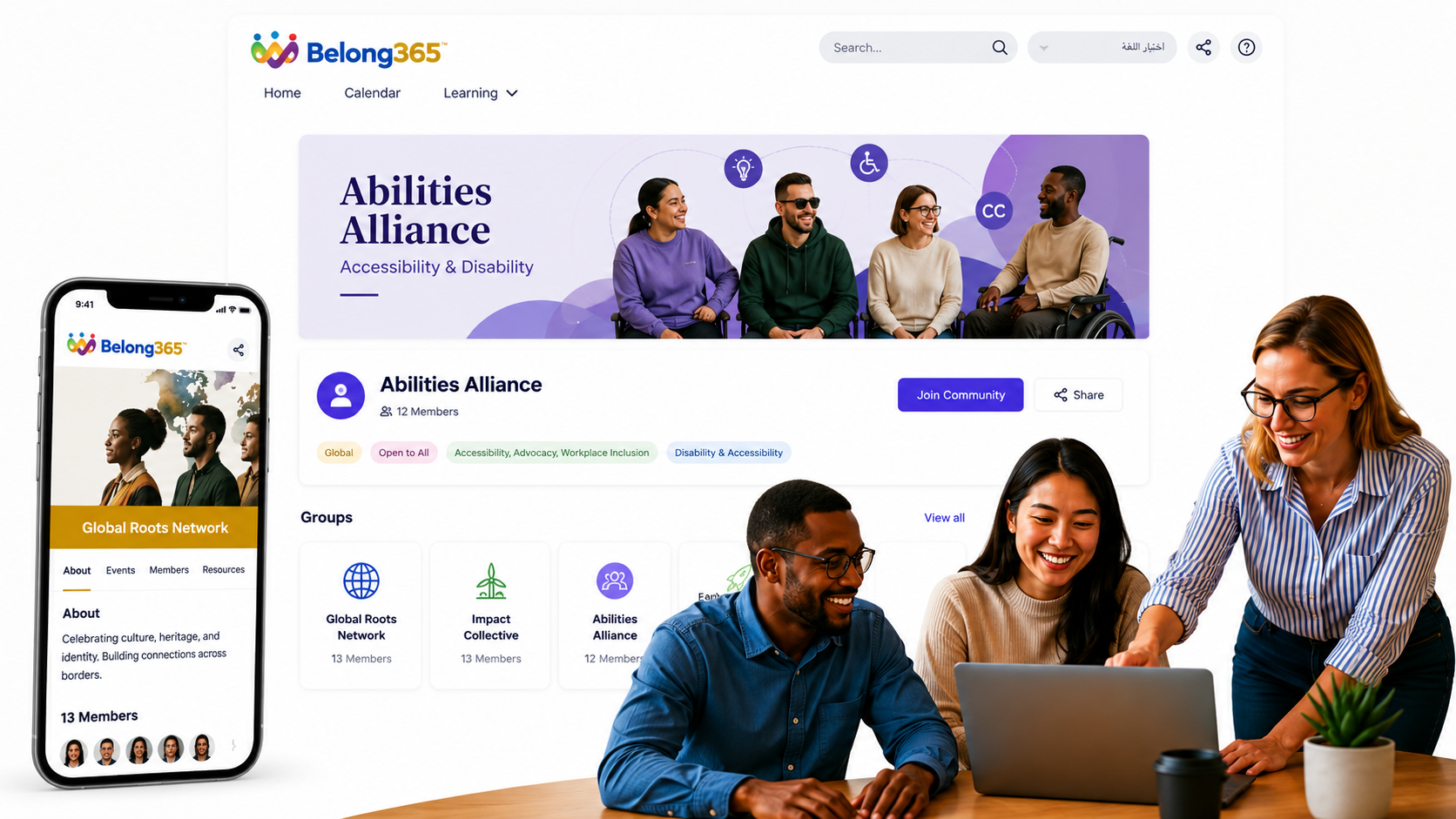
How Employee Resource Groups Align with Business Goals
The next generation of employee resource groups is redefining impact. Rather than being seen solely as affinity networks, ERGs are being positioned as strategic partners. This shift is changing how companies think about their purpose and potential:
- Product Feedback: ERGs provide direct insight into diverse customer needs. From influencing product design to ensuring inclusive marketing, ERGs can help companies avoid blind spots and better serve global markets.
- Talent Development: ERGs are becoming leadership pipelines. Members often gain visibility, mentorship, and opportunities to lead initiatives developing skills that strengthen the future workforce.
- Brand Reputation: ERGs extend an organization’s voice into communities, building credibility and authenticity. Their community service, partnerships, and advocacy enhance how the brand is perceived internally and externally.
What ERGs Need to Thrive
If ERGs are to deliver both cultural and commercial value, organizations must invest in them with the same seriousness given to any strategic function. That means:
- Executive Sponsorship: Leaders who champion ERGs not only legitimize their work but also ensure alignment with business priorities
- Dedicated Budgets: Successful groups need resources for programming, professional development, and initiatives that extend their reach
- Clear Metrics: Companies should measure impact on recruitment, retention, leadership development, and business outcomes so ERGs are seen as essential contributors, not side projects
A successful ERG strategy takes into account how HR and ERGs can learn from one another to build stronger, more strategic partnerships.
Looking Ahead: Maximizing Impact
The future of employee resource groups is not either/or culture or business. It’s both. ERGs that remain authentic communities while also influencing strategy will deliver the greatest value.
For organizations, this means shifting their lens. ERGs should not only be viewed as employee-led clubs but as vital assets that inform innovation, shape customer connections, and cultivate leaders. With the right support, ERGs can move from community anchors to engines of competitive advantage.
As workplaces continue to evolve, so too will the role of ERGs. The opportunity for executives, HR leaders, and DEI sponsors is clear: invest intentionally, align strategically, and unlock the full cultural and commercial potential of employee resource groups.