


Discover how the upcoming election could impact workplace diversity, equity, and inclusion. Learn about candidates’ perspectives.
Times are always changing, especially when it comes to diversity, equity, and inclusion (DEI) in the workplace. This upcoming fall holds an abundance of uncertainty in the US, including how employers will educate their employees on intercultural knowledge.
The two main candidates that will be running are Kamala Harris and Donald Trump. These vastly different individuals hold many characteristics that separate themselves from each other. Each candidate has a different perspective on workplace diversity, which will impact the lives of employees.
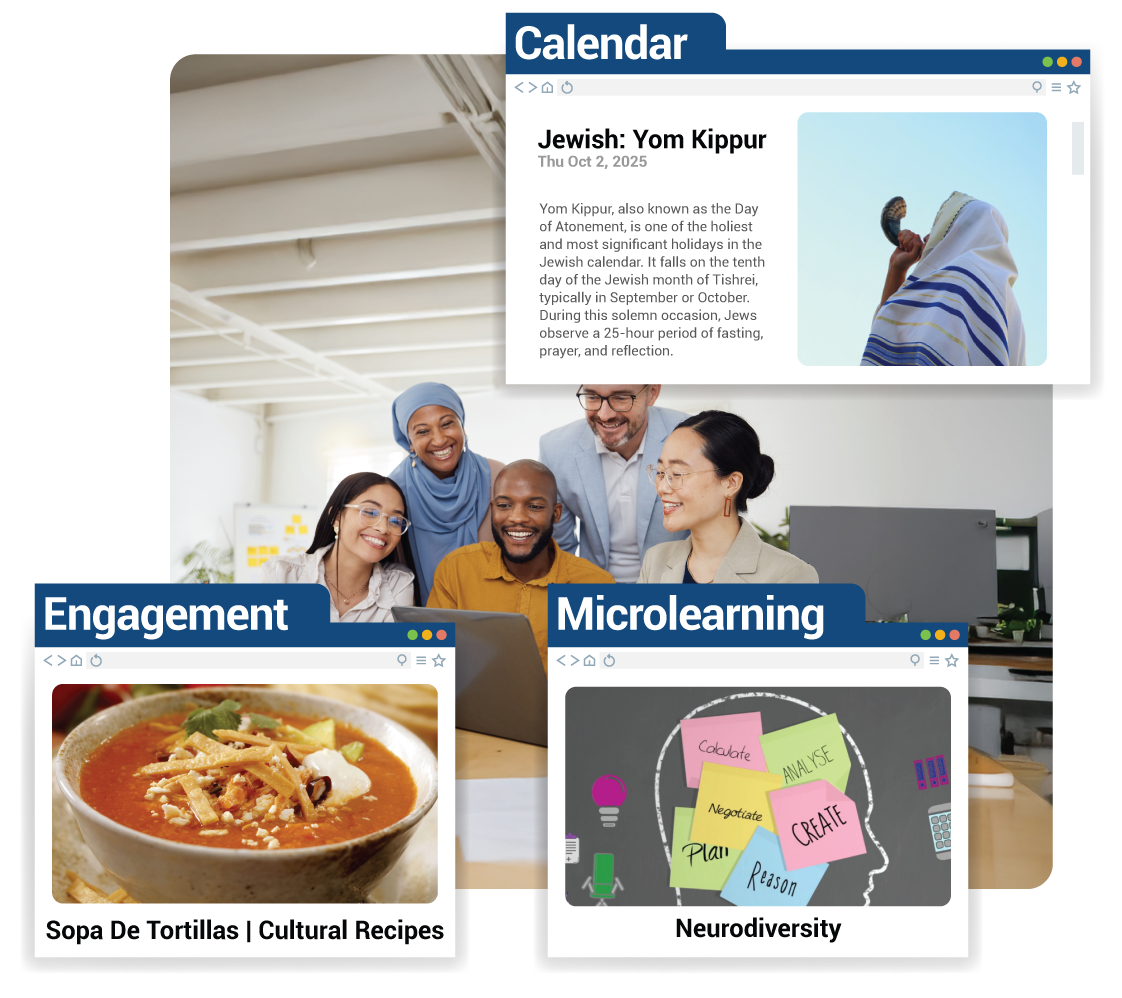
The Power of Workplace Diversity Training
Diversity training can change the future of how your business may operate and its overall performance. Diversity education creates productivity rooted in new insights and perspectives. This, in turn, generates positive feedback to your organization. Not only does it strengthen your organization’s foundation, but it also promotes employee’s well-being.
Workplace Diversity in the Election Context
With this in mind, diversity is a major component to consider when heading into the election. From previous accounts, Trump made an executive order to limit the teaching of DEI in classrooms and workplaces. Biden later reversed this order when he became president.
If Trump had previously set back diversity progress, the future is uncertain regarding what else he might do if elected president. Each potential candidate has two divergent agendas. Biden has previously prioritized equity within communities, believing in the beauty of interconnectedness. Since Biden appointed Harris as Vice President, she will likely carry the same legacy. Trump, on the other hand, favors a more traditional frame revolving around patriotism.
The Broader Perspective on DEI
From a broader perspective, the people of the United States only account for 4.23% of the world’s population. In the grand scheme of things, this is an incredibly small portion of what the world has to offer. It is easy to get caught up in the current ideas, beliefs, and events in the U.S. However, the world holds 650 ethnic groups in 190 countries, meaning there is a horizon of possibilities through the power of diversity.
To illustrate, 6 out of 10 Americans believe DEI should be implemented in workplaces. This means that the majority of Americans support the inclusion of diversity. Regardless of the upcoming election results, statistics show that the people believe in it.
The Role of Employee Resource Groups (ERGs)
One solution to continue promoting workplace diversity is through Employee Resource Groups (ERGs). Interconnectivity within workplaces is increasingly becoming more popular as ERGs add value to people. They prioritize global connections, which increases cross-global connections. ERGs continue to expand to the point where they often surpass DEI teams. If additional setbacks occur, this may be a solution to implementing diverse techniques without explicitly labeling them DEI.
Moving Forward with DEI
Remember, there are two paths to take: one towards inequality and regression or the other towards growth and harmony. Although the future may hold uncertainty regarding diversity mandates, organizations can continue encouraging it amongst their employees.
Stay ahead in promoting workplace diversity and inclusion within your organization. Explore our Diversity Calendar to keep your team informed and engaged with key cultural events and observances.