


Inclusive leadership habits are small, daily actions that make people feel respected, heard, and included without requiring big initiatives or long meetings. These habits can be as simple as rotating speaking order, recognizing someone’s effort, or checking the holiday calendar before booking a meeting. When practiced consistently, inclusive leadership habits help create a more human-centered team culture.
If you’re a team leader, HR professional, or someone who simply wants to build a more inclusive workplace, these quick, practical habits can help you weave inclusion into your daily routine without adding more to your already-packed calendar.
10 Inclusive Leadership Habits
1. Rotate Who Speaks First in Meetings
Default speaking orders can unintentionally reinforce hierarchy or bias. Switch it up. Let quieter voices go first sometimes, or ask for input from someone who hasn’t spoken yet. It’s a small habit that shows every voice matters.
2. Acknowledge One Person’s Contribution Every Day
Take five minutes to highlight someone’s recent effort in an email, Slack message, or team meeting. Recognition is one of those inclusive leadership habits that builds trust and motivation across your team.
3. Check the Holiday Calendar Before Scheduling
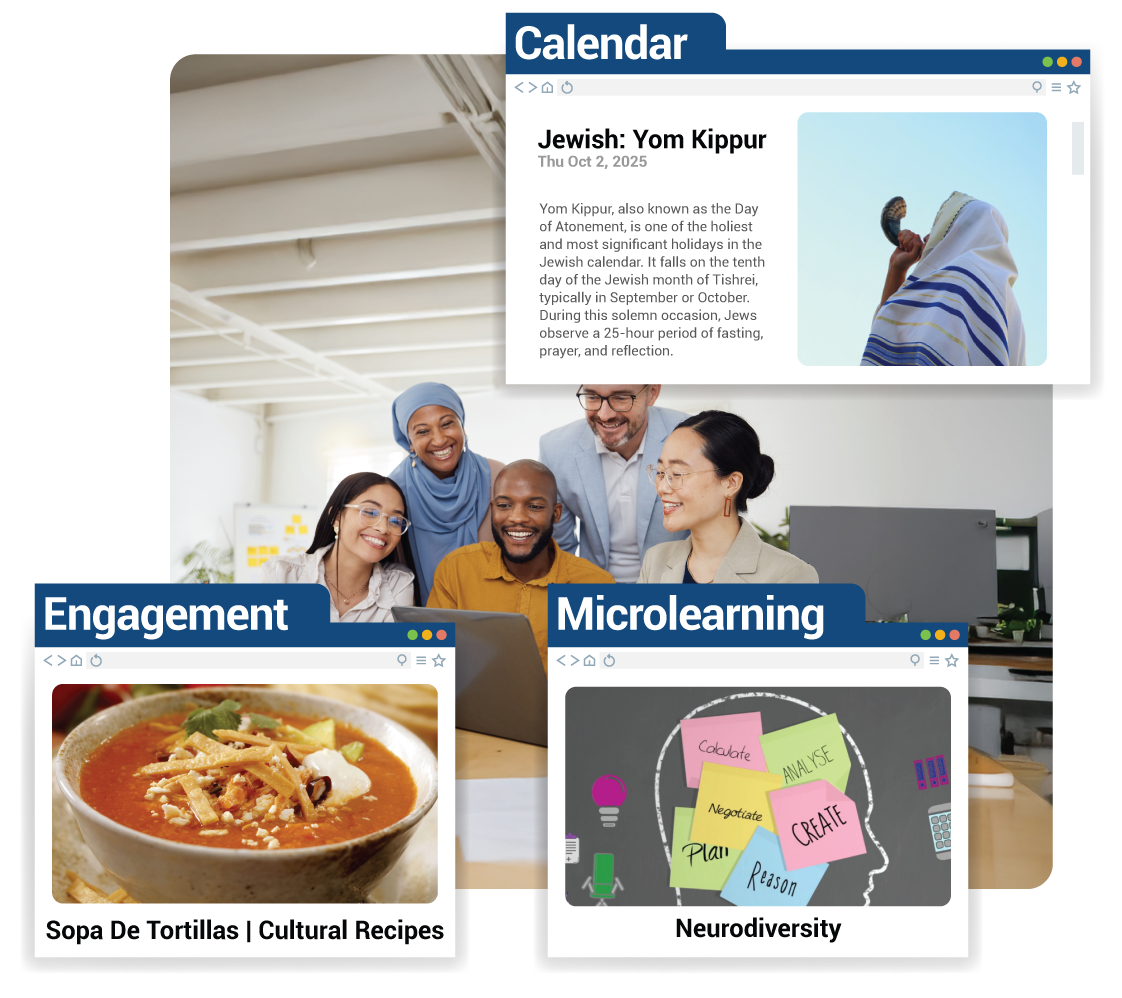
Before sending that meeting invite, glance at a multicultural or religious calendar. It shows thoughtfulness and helps avoid scheduling conflicts during important observances.
4. Pause Before You Respond
When someone offers a new idea, especially one outside the norm, take a few seconds before replying. This gives you time to respond thoughtfully and helps prevent knee-jerk dismissals.
5. Use People’s Preferred Names and Pronouns
It takes under a minute to check someone’s email signature or Slack profile. Making the effort to use names and pronouns correctly reinforces respect and belonging core aspects of inclusive leadership.
6. Scan Your Language for Bias
Before you hit send on that email or Slack message, scan it for loaded terms, assumptions, or idioms that may not translate across cultures. This small step supports inclusive leadership habits by encouraging clear and respectful communication.
7. Invite Input from One New Voice
Every week, actively reach out to someone outside your usual circle for input on a project or idea. It broadens perspective and opens up space for underrepresented voices key to leading inclusively.
8. Review Your “Go-To” List
Who do you typically rely on for advice or collaboration? Once a week, take 10 minutes to assess whether you’re unintentionally excluding others and consider inviting someone new into the mix.
9. Share One Learning Resource
Post an article, podcast, or short video that reflects a different perspective or workplace inclusion tip. It doesn’t need to be heavy just thoughtful.
10. Make Time for a Quick Pulse Check
Ask your team one inclusive question at the start or end of a meeting:
- “What’s one way we can make this space feel more welcoming?”
- “Anything we missed that might impact others on the team?”
These quick prompts help you build real-time awareness one of the most overlooked inclusive leadership habits.
How Inclusive Leadership Habits Strengthen Everyday Team Culture
Building inclusive leadership habits doesn’t require major time investments just small, daily actions that build trust, belonging, and collaboration. With just ten minutes a day, you can start shifting your team culture in meaningful ways.
If you’re looking for language that feels more natural and less corporate, take a look at our guide on how to talk about inclusion without saying DEI. It’s a helpful companion for teams looking to make belonging real, not just aspirational.
Inclusion isn’t about grand gestures. It’s about showing up with intention, making space for others, and doing the small things that remind people they matter. And that’s something every team no matter how busy can build into their routine.
Want to embrace daily belonging? Try out our Belonging Calendar.
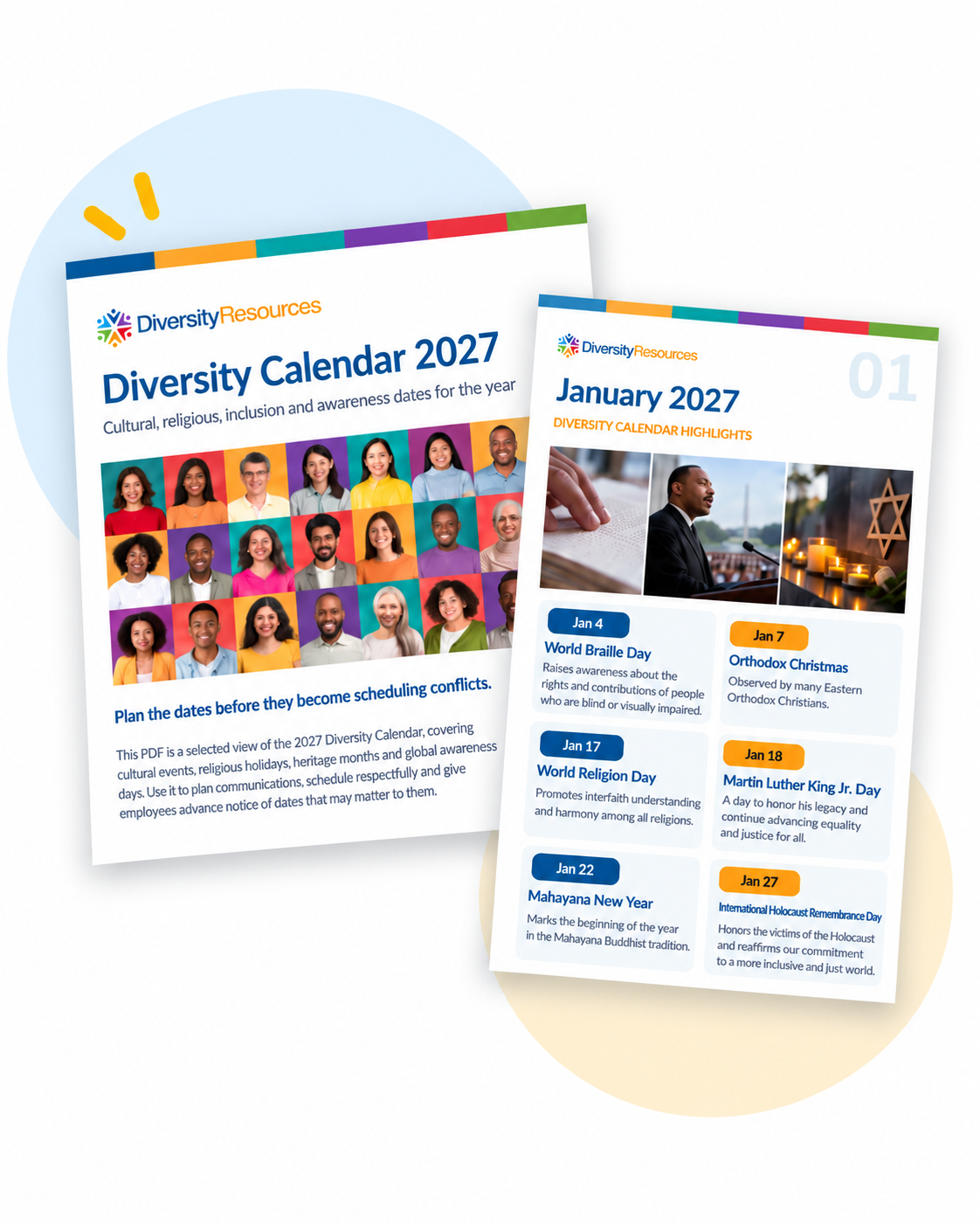

 12 months of selected dates
 Cultural + religious observances
 Heritage + awareness events