


In today’s polarized workplace climate, many HR and communication leaders are exploring how to talk about inclusion without saying DEI. The acronym, once widely embraced, has become politicized in some environments leading to confusion, skepticism, or even backlash.
Still, the values behind the term haven’t changed. Fairness, belonging, voice, and equity are more essential than ever. So how can you stay true to those values without getting stuck in the language wars?
Why It’s Time to Talk About Inclusion Without Saying DEI
If your efforts are being misunderstood simply because of the label, it’s time to shift the frame not the mission. Learning how to talk about inclusion without saying DEI allows you to speak more directly about outcomes, values, and employee experiences.
Instead of labeling programs as “DEI,” describe what they actually do:
- Are you improving hiring practices? Talk about fair and inclusive recruitment
- Are you reviewing promotion processes? Focus on clarity and consistency.
- Are you building a more connected culture? Emphasize voice, safety, and engagement
Everyday Language That Helps You Talk About Inclusion Without Saying DEI
Many organizations are dropping corporate jargon in favor of clearer, values-driven terms. Try these natural shifts in phrasing:
- DEI training → Respectful workplace learning
- Equity audits → Fairness reviews
- Inclusion strategy → Culture and belonging roadmap
- DEI metrics → Workplace experience insights
These shifts help teams talk about inclusion without saying DEI, using language that feels accessible and aligned with real outcomes.
Lead by Example: Ways to Promote Inclusion Without Saying DEI
Some of the most inclusive organizations rarely say “DEI” at all. They focus instead on:
- Listening to employee feedback and acting on it
- Ensuring consistency in how people are hired, evaluated, and promoted
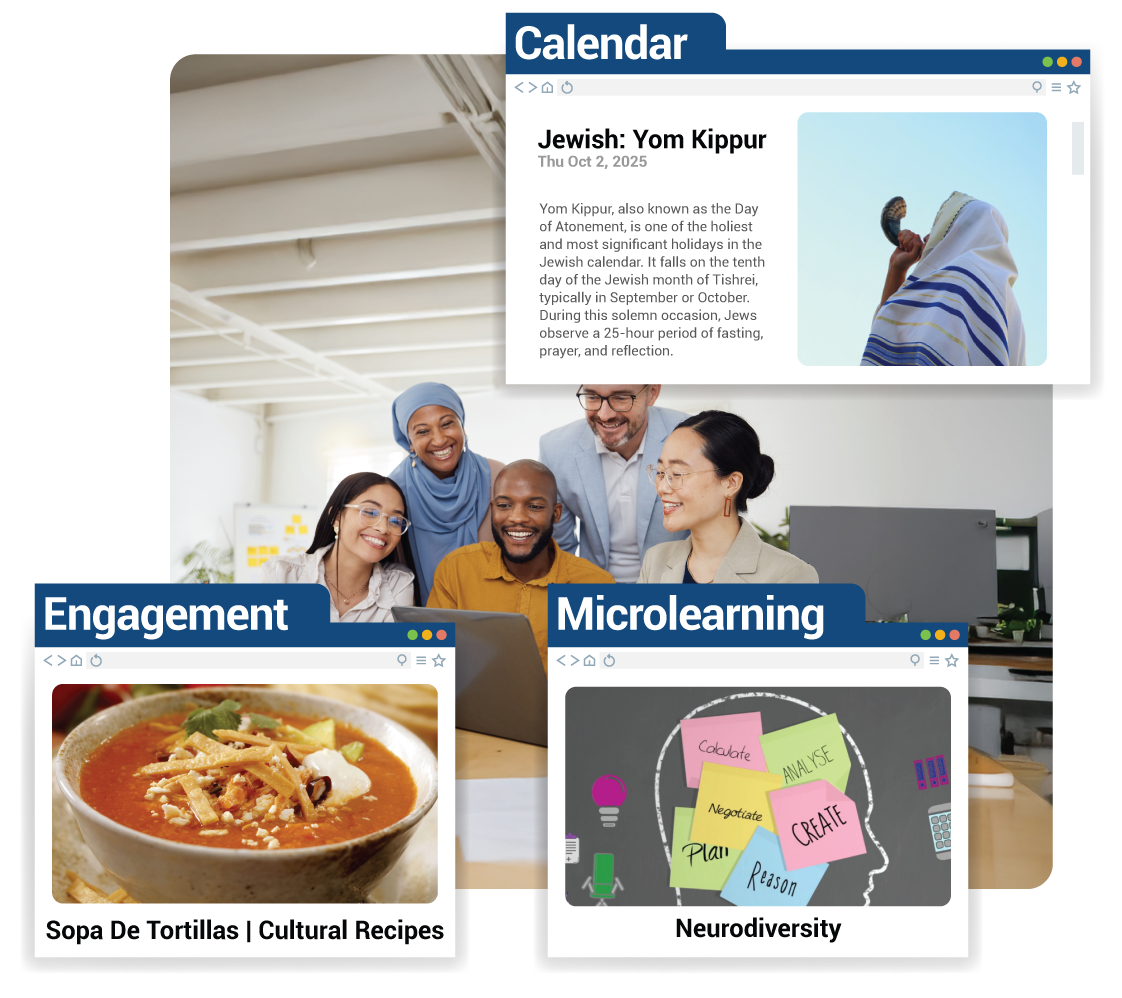
- Celebrating different cultures and voices year-round
- Creating space for people to be seen and heard
These are the outcomes people actually care about. And when you talk about inclusion without saying DEI, you invite broader support across your organization.
Despite the current political climate, a recent report shows that 98% of shareholders voted against anti-DEI proposals. That signals continued support for the core values behind the acronym even if the terminology is evolving.
Culture Over Campaigns: Embed Inclusion in the Everyday
Embedding these practices into everyday habits is a powerful way to talk about inclusion without saying DEI because it becomes less about labels and more about behavior.
From onboarding to communication norms to leadership tone, inclusion is most effective when it’s normalized, not branded. It’s not about making statements it’s about creating systems that support fairness, belonging, and voice for everyone.
If you’re facing pressure to step away from the DEI label, you don’t have to abandon the work. You just need to evolve how you describe it.
Want to embrace daily belonging? Try out our Belonging Calendar.