


When considering disability in the workplace, do you know how best to handle employee challenges? Here are our top 5 tips to support them.
Employees with disabilities may face a variety of challenges in the workplace. When it comes to diversity in the workplace, ability is just one important aspect that leadership should consider when implementing company policies and work strategies. These challenges necessitate tailored accommodations and can include mobility. vision or hearing impairments, or even neurodiversity.
Taking time to ensure that all of your employees’ needs are met helps guarantee that they do not feel discriminated against in the workplace. Disability discrimination in the workplace occurs when an employee is seemingly treated less favorably because of their disability. It can be reflected in the hiring, laying off, or firing of employees as well as the pay or benefits they receive, and the work environment they’re expected to work productively in.
Laws Preventing Disability in the Workplace Discrimination
The Americans with Disabilities Act (ADA), enacted in 1990 and updated in 2008, prohibits discrimination based on disability. The law mandates equal opportunities for people with disabilities and requires employers to provide reasonable accommodations to support their employment.
Regardless of the type of disability, there are strategies to support all employees effectively.
Building a Better Workplace for Employees With Disabilities
Awareness is the first step in creating a more efficient and inclusive workspace for employees with disabilities. By committing to actions that show we value all of our employees, we make our workplace more accommodating to those with physical, mental, or emotional limitations. When it comes to diversity in the workplace, disability may be the most widespread one, including physical disabilities, sensory impairments, and neurodiversity conditions.
Here are some tips for combatting diversity issues in the workplace.
#1 Create a work culture where all employees feel safe to discuss their disabilities freely.
When someone feels empowered to share their disability, this makes it easier for you to ask questions about what accommodations would help them do their job best. Many employees may have “hidden” disabilities. Creating a diverse and inclusive workplace that is accepting of all people will make employees more likely to disclose them. By being clear that disclosure isn’t necessary but is preferred, you showcase your understanding of all types of diversity in the workplace.
#2 Hire a wide range of people, including in leadership
A diverse and inclusive workplace means leadership represents all members of the workforce, including different races, religions, gender identities, and abilities. It’s important to provide people with disabilities opportunities to advance within your organization.
#3 Provide leadership with the resources to support the individual needs of employees
Ensuring that your managers have the tools they need to manage a team well is the difference between an accommodating workplace and one that isn’t effective for all employees to thrive in. These resources can help combat t unconscious bias by providing necessary diversity training and support.
#4 Create an Employee Resource Group (ERG) for employees with disabilities
This allows them to discuss challenges they’re facing and present solutions, creating a community of support and innovation For example, an ERG might organize workshops on adaptive technologies.
#5 Prioritize important accommodations
This ensures the workplace is accessible and allows your entire team to be productive. This includes providing adjustable desks, accessible software, and flexible work schedules to accommodate a range of disabilities. Other accessibility tools include automatic doors, elevators, and ramps.
Be an Advocate for those With Disability, Both Inside & Outside the Workplace
Every employee plays an important role in creating a supportive workplace. By educating employees and management about beneficial practices for employees with disabilities, we create a more accessible workplace that allows everyone to reach their full potential.
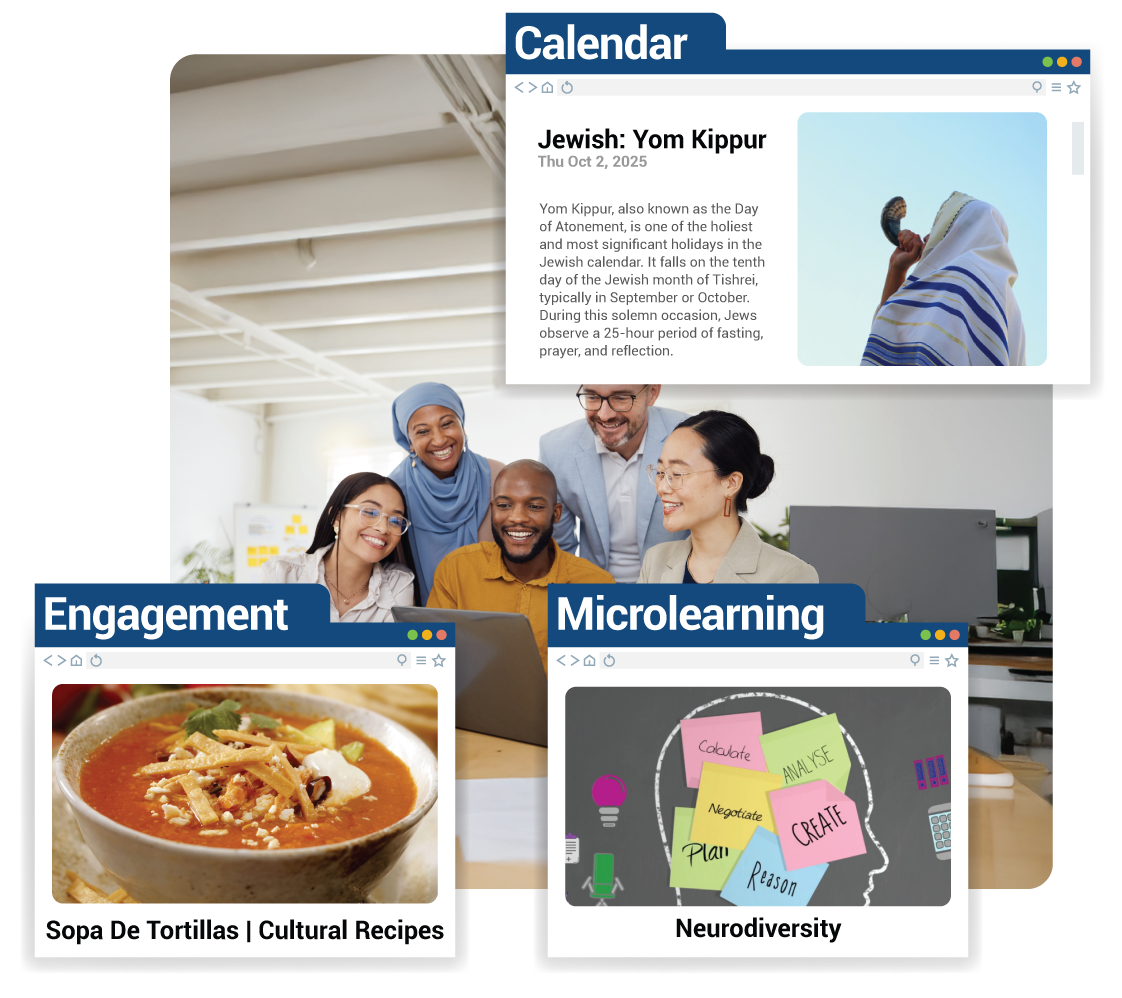
When you’re looking for DEI tools that celebrate every employee, consider a diversity calendar that features diversity holidays, diversity events, and multicultural holidays. Our Diversity Calendar and Online Diversity Training are designed to support organizations like yours in building a successful, inclusive workplace.
FAQs
What are the best practices for working with people living with a disability?
Always asking them before assisting in assuming they need help may make them feel discriminated against. Always interact with the person and not their assistant or interpreter (if applicable). Also, have an open-door policy where they can freely community their needs and the accommodations they may need to do their job more successfully.
What are some ways I can make my office more disability friendly?
First off, remember that a disability isn’t a disadvantage, it’s merely a workaround for your skilled and trained staff members to work. When you are committed to helping your staff succeed, you will be willing to make changes. Some changes that employees may request include screen reader technology, textured floor mats so employees can easily navigate the office, or even braille signage everywhere.