


Cultural planning often enters the conversation too late. It usually shows up after a meeting goes wrong, after someone flags a conflict, or after an apology needs to be written. By then, the damage is already done.
Most global teams don’t struggle because people lack good intentions. They struggle because planning decisions get made through a narrow lens. The calendar looks full, the time zones line up, and the meeting goes on the schedule. What stays invisible is everything that calendar leaves out.
For culturally diverse teams, cultural planning shapes how respected they feel long before anyone speaks up. It affects whether someone shows up distracted, conflicted, or quietly resentful. It affects who feels seen and who learns to stay silent. Over time, those small moments compound.
This matters even more today, as global collaboration becomes routine rather than exceptional. Teams stretch across countries, religions, and cultural norms, yet planning habits often stay local. When organizations treat cultural planning as an afterthought, they unintentionally push the burden onto employees to adjust, explain, or opt out.
Thoughtful cultural planning changes that dynamic. It brings awareness upstream, where decisions actually get made.
Cultural Planning Starts With a Global Reality Check
Workplace planning often reflects the assumptions of a single region. That creates blind spots.
Most people in the world do not live in the United States. Most people do not observe Christian holidays as their primary religious milestones. Yet many workplace calendars still revolve around those as defaults.
Cultural planning asks teams to zoom out. It acknowledges that national holidays, religious observances, and cultural events carry real weight for people, even when they feel unfamiliar to the scheduler. Global teams operate across this complexity every day, whether it is recognized or not.
When planning focuses only on time zones, teams miss the human context behind availability.
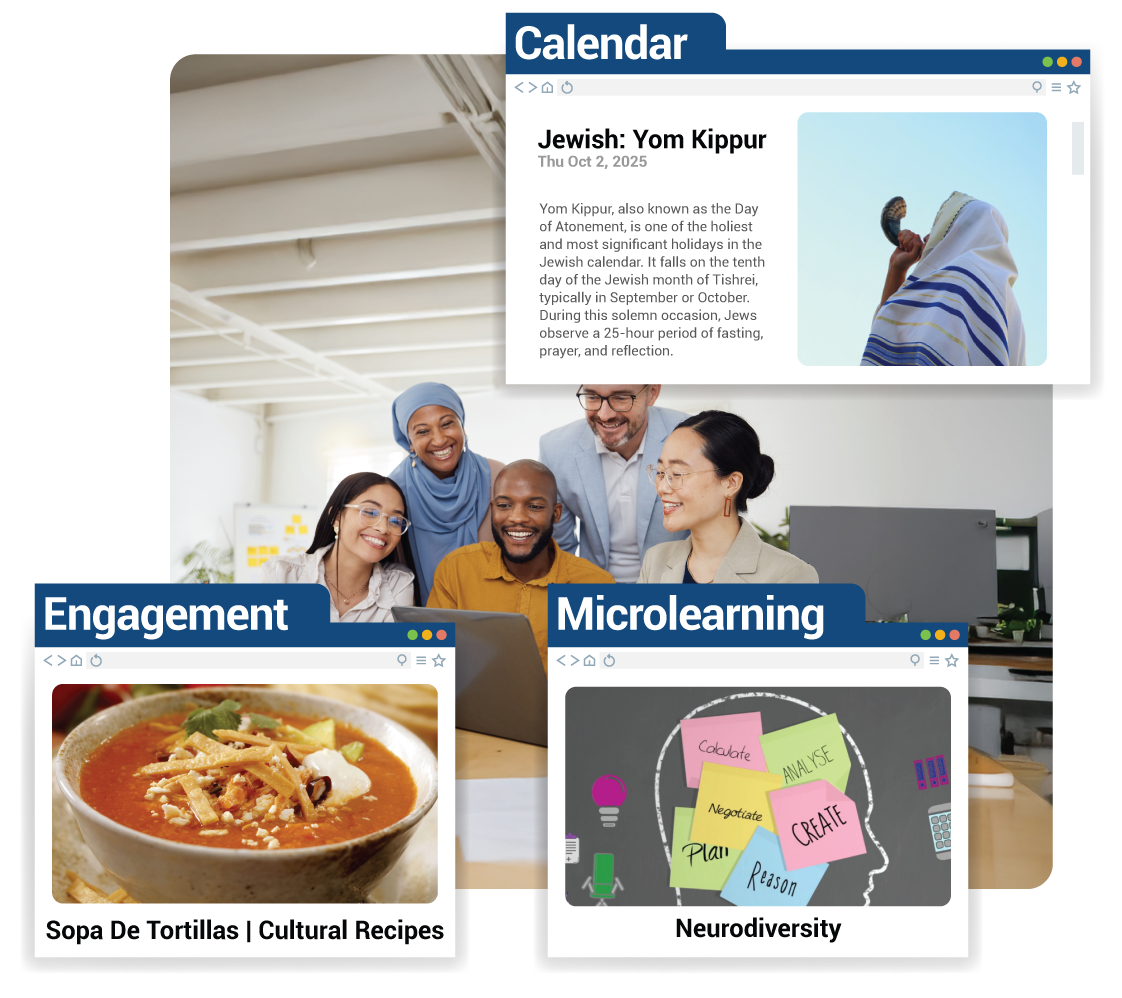
Understanding Which Dates Matter Most
Not every holiday carries the same significance. Treating them as interchangeable creates confusion and frustration.
Many religions include long lists of observances, yet only a few tend to shape daily life, travel, family commitments, or time off. Cultural planning depends on understanding which dates are central and which are symbolic, regional, or optional.
Without that distinction, calendars become noisy and unclear. Employees are left guessing which dates they need to protect and which ones they can work through. Clear cultural planning reduces that uncertainty and builds trust.
One Culture Never Means One Experience
Cultural planning breaks down when identities get flattened.
Religions include multiple sects. Countries include multiple traditions. Regions influence how beliefs are practiced in everyday life. Two employees may share a nationality while observing entirely different religious calendars. Two people may share a religion while following different customs based on geography or family tradition.
Effective cultural planning accounts for where someone lives and what they observe. Both matter, and neither tells the full story alone.
Timing Shapes Cultural Planning as Much as Dates Do
Dates alone rarely tell the whole story.
Some observances begin in the evening. Others follow lunar calendars. Some affect workdays directly, while others shape preparation, travel, or family obligations ahead of time.
A meeting placed late in the day before a major observance can create stress that never shows up on the schedule itself. Cultural planning pays attention to these details because they shape how inclusive planning feels in practice.
Cultural Planning Reflects the Reality of Global Work
When you bring everything together, cultural planning sits at the intersection of many moving parts.
Countries.
Religions.
Levels of observance.
Local customs.
Individual choices.
No single manager should be expected to track all of this manually. The complexity is real, and it grows with every new region a team touches.
That is why cultural planning works best when it is supported by shared systems, consistent data, and thoughtful structure rather than personal guesswork.
Cultural Planning Only Works When It Fits Into Daily Work
There is one practical rule that determines whether cultural planning succeeds.
Employees should not carry the burden of managing it themselves.
Cultural planning becomes effective when it is built into the tools teams already use, reflected in shared calendars, and aligned with everyday workflows. When planning decisions happen in familiar systems, awareness becomes automatic rather than performative.
Respect shows up most clearly when it feels routine.
Why It Ultimately Matters
For global teams, cultural planning has become part of how work gets done. It shapes who feels considered, who feels rushed, and who quietly absorbs the impact of decisions made elsewhere.
It signals that people’s lives outside of work matter inside of work too. Even when those priorities do not appear on your personal calendar, they still shape someone else’s day.
And that awareness changes everything.