Facebook Pixel

Jewish Holy Days and Religious Holidays

Like many religious festivals, Jewish holy days are often held according to traditional calendars and observances. As such, they do not fall on the same day every year in the Gregorian calendar, so the month or overlapping months during which these major Jewish holy days occur is listed under the holiday name.

Below is our list of Jewish holy days which includes Jewish festivals, Judaism religious calendar and festivals.

Rosh Hashanah – September / October

The Jewish New Year and one of the two main Jewish High Holy Days. A two-day festival during which labor isn’t allowed, and celebrants engage in meditation, prayer and reflection. The first day is called Erev Rosh Hashanah, or the New Year’s Eve.

Yom Kippur – September / October

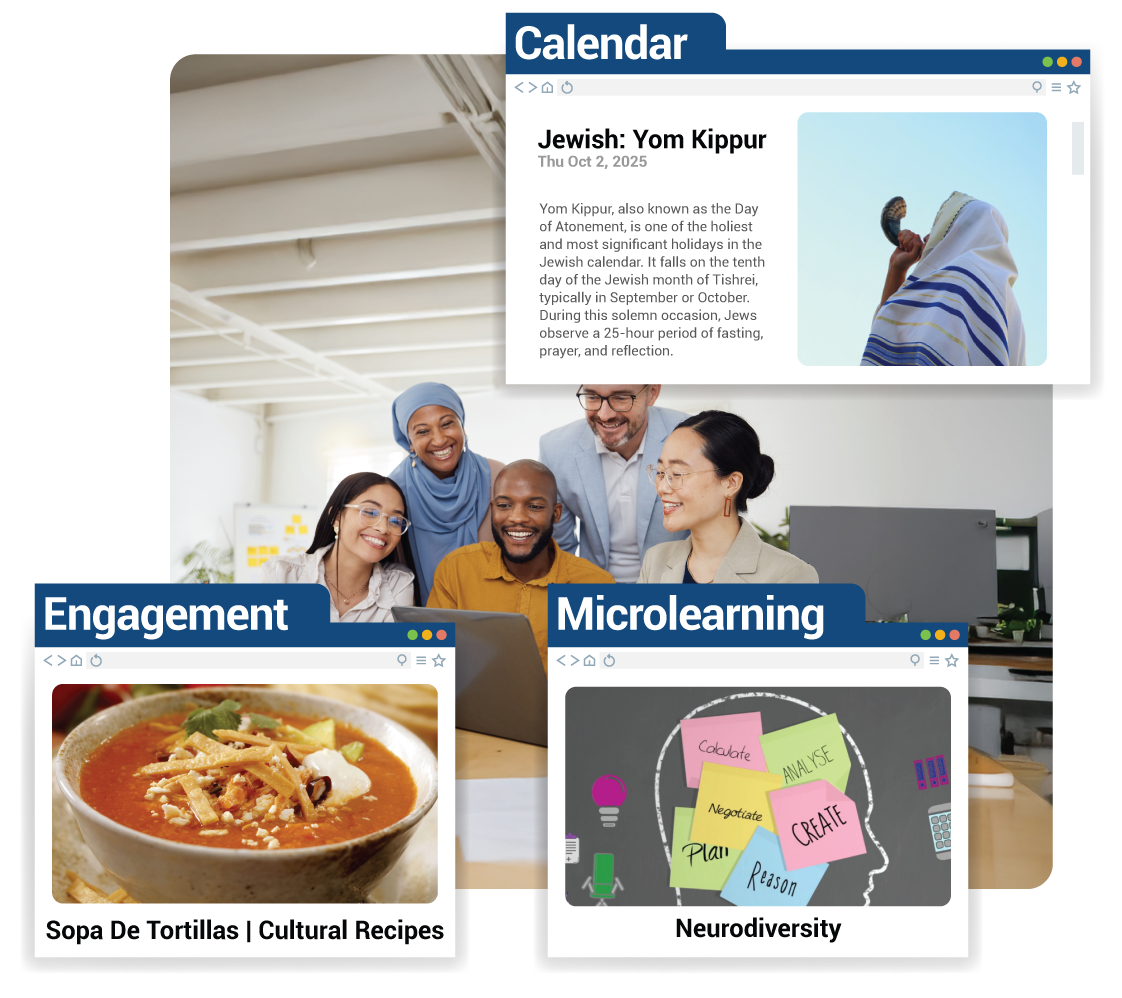
A sacred day of fasting and one of the two main Jewish High Holy Days. Considered by many the most sacred and important holiday in Judaism. Labor is forbidden during Yom Kippur, as well as the night before, known as Erev Yom Kippur. It is common to attend the synagogue during both the preceding eve and day of Yom Kippur.

Sukkot – September / October

Also known as The Feast of Tabernacles. This Jewish holy day is a festival which lasts for seven days, and is followed by Shemini Atzeret on the eighth day. Many Jews do not work during the first and second days, or during the Shemini Atzeret.

Simchat Torah – September / October

Right after Sukkot and Shemini Atzeret, this holiday is dedicated to readings of the Torah. Many Jews do not work or attend school.

Hanukkah – November / December

A festival of light, liberation and religious freedom. Hanukkah is one of the Jewish religious holidays that has gained recognition in recent decades, particularly among American Jews. Festivities last for 8 days, during which gifts are given, and each day a candle of the Menorah is ritualistically lit. Other observances include dreidel games and serving of the traditional latke pancake.

Explore our Interfaith Calendar 2024 which includes holidays, religious holidays and religious festivals.

Purim – February / March

A cheerful, festive holiday that involves costumes and gift-giving, commemorating events from the Book of Esther.

Passover – March / April

Commemorates freedom from Egypt. 8 days. Begins with a traditional feast called Passover Seder, on the 15th day of the Hebrew month of Nisan in the Spring. Labor is forbidden on the first two days of Passover as well as the last two.

Shavuot –  May / June

Also known as the Feast of Weeks or the Pentecost, Shavuot commemorates the receiving of the Ten Commandments. Traditional meals are often shared.

Final Thoughts

We hope this Jewish religious holidays calendar has been useful to you. Inclusive scheduling is a must for businesses and organizations. It allows everyone to recognize holy days regardless of which world religion their employees or members participate in.

For all religious holidays, see our interactive DEI Calendar for all 200+ religious events.

For more diversity topics, see our Diversity Calendar 2024.

Disability in the Workplace: 5 Key Tips

When considering disability in the workplace, do you know how best to handle employee challenges? Here are our top 5 tips to support them.

Employees with disabilities may face a variety of challenges in the workplace.  When it comes to diversity in the workplace, ability is just one important aspect that leadership should consider when implementing company policies and work strategies. These challenges necessitate tailored accommodations and can include mobility. vision or hearing impairments, or even neurodiversity.

Taking time to ensure that all of your employees’ needs are met helps guarantee that they do not feel discriminated against in the workplace. Disability discrimination in the workplace occurs when an employee is seemingly treated less favorably because of their disability. It can be reflected in the hiring, laying off, or firing of employees as well as the pay or benefits they receive, and the work environment they’re expected to work productively in.

Laws Preventing Disability in the Workplace Discrimination

The Americans with Disabilities Act (ADA), enacted in 1990  and updated in 2008, prohibits discrimination based on disability. The law mandates equal opportunities for people with disabilities and requires employers to provide reasonable accommodations to support their employment.

Regardless of the type of disability, there are strategies to support all employees effectively.

Building a Better Workplace for Employees With Disabilities

Awareness is the first step in creating a more efficient and inclusive workspace for employees with disabilities. By committing to actions that show we value all of our employees, we make our workplace more accommodating to those with physical, mental, or emotional limitations. When it comes to diversity in the workplace, disability may be the most widespread one, including physical disabilities, sensory impairments, and neurodiversity conditions.

Here are some tips for combatting diversity issues in the workplace.

#1 Create a work culture where all employees feel safe to discuss their disabilities freely.

When someone feels empowered to share their disability, this makes it easier for you to ask questions about what accommodations would help them do their job best. Many employees may have “hidden” disabilities. Creating a diverse and inclusive workplace that is accepting of all people will make employees more likely to disclose them. By being clear that disclosure isn’t necessary but is preferred, you showcase your understanding of all types of diversity in the workplace.

#2 Hire a wide range of people, including in leadership

A diverse and inclusive workplace means leadership represents all members of the workforce, including different races, religions, gender identities, and abilities. It’s important to provide people with disabilities opportunities to advance within your organization.

#3 Provide leadership with the resources to support the individual needs of employees

Ensuring that your managers have the tools they need to manage a team well is the difference between an accommodating workplace and one that isn’t effective for all employees to thrive in. These resources can help combat t unconscious bias by providing necessary diversity training and support.

#4 Create an Employee Resource Group (ERG) for employees with disabilities

This allows them to discuss challenges they’re facing and present solutions, creating a community of support and innovation For example, an ERG might organize workshops on adaptive technologies.

#5 Prioritize important accommodations

This ensures the workplace is accessible and allows your entire team to be productive. This includes providing adjustable desks, accessible software, and flexible work schedules to accommodate a range of disabilities. Other accessibility tools include automatic doors, elevators, and ramps.

Be an Advocate for those With Disability, Both Inside & Outside the Workplace

Every employee plays an important role in creating a supportive workplace. By educating employees and management about beneficial practices for employees with disabilities, we create a more accessible workplace that allows everyone to reach their full potential.

When you’re looking for DEI tools that celebrate every employee, consider a diversity calendar that features diversity holidays, diversity events, and multicultural holidays. Our Diversity Calendar and Online Diversity Training are designed to support organizations like yours in building a successful, inclusive workplace.

FAQs

What are the best practices for working with people living with a disability?

Always asking them before assisting in assuming they need help may make them feel discriminated against. Always interact with the person and not their assistant or interpreter (if applicable). Also, have an open-door policy where they can freely community their needs and the accommodations they may need to do their job more successfully.

What are some ways I can make my office more disability friendly?

First off, remember that a disability isn’t a disadvantage, it’s merely a workaround for your skilled and trained staff members to work. When you are committed to helping your staff succeed, you will be willing to make changes. Some changes that employees may request include screen reader technology, textured floor mats so employees can easily navigate the office, or even braille signage everywhere.

Benefits of Diversity in the Workplace

In 2018, Starbucks made national news when it closed its stores for all workers to attend unconscious bias training. This occurred after an incident in a Philadelphia Starbucks where two young Black entrepreneurs were subjected to the police called on them and were asked to leave the store only 10 minutes after their arrival. Their “crime,” you might ask? They were waiting for a meeting to start and had bot ordered anything.

“Starbucks is a microcosm of what’s happening in the United States,” said Jen Randle, a consultant who helped coordinate these trainings. “We all have biases. It doesn’t matter your race or ethnicity.” With Starbucks serving a microcosm of society, this type of incident could happen in any workplace too.

Let’s explore how diversity training in the workplace can benefit every team.

Benefits of Having a Diverse and Inclusive Workplace

Diversity Offers New Perspectives

Not all individuals think or see the world the same way. Hiring people from diverse backgrounds, faiths, or socioeconomic groups allows you to gain new points of view in your workplace. These differences are what benefit your organization and enhances its problem-solving skills.

Improved Retention Rate

A company focused on diversity when hiring is more likely to retain its employees longer. When biases affect hiring decisions, whether related to ethnicity, age, faith, gender, age, or another factor, you may not be hiring the best talent. Having a diverse and inclusive workplace takes this into account in its hiring practices. Companies that prioritize diversity are more likely to identify the best possible talent. 

Diversity Increases Profit

It’s no surprise that businesses focus on profitability. The good news is that focusing on diversity – and enhancing it in your workplace – can improve your bottom line. One McKinsey report found that companies in the top quartile for ethnic and racial diversity in management were 35 percent more likely to have above-average profits. Another study by BCG found that increasing the diversity of the leadership teams leads to improved financial performance. These findings demonstrate just how important it is to prioritize the components of your staff and how they work.

Final Thoughts

When it comes to diversity, diversity and inclusion are a pair that work best together. Take time to focus on your DEI initiatives, including diversity training, to allow your organization to thrive in today’s business world.

Focus on your DEI training and DEI programs to enjoy the full benefits of inclusion in the workplace. Respectful scheduling is an essential part of a positive work culture and fosters a sense of belonging where all employees feel accepted. For other DEI tips, sign up for a free trial of our Diversity Calendar. For highlights, check out our Diversity Calendar 2024, as well as our Interfaith Calendar 2024. 

FAQs

What are the benefits of diversity in the workplace?

Workplace diversity offers several benefits. It leads to increased productivity, fostering better innovation and fresh ideas. This also enhances creativity and problem-solving, increasing the chances of finding workable solutions to challenges. Improved cultural awareness enables more effective global operations.

Why is diversity a good thing?

Diversity brings in fresh perspectives and ideas. Best of all, hiring a diverse group of people means your staff can learn from each other. Different ideas can lead to a positive and creative workspace. The real value of diversity lies in the positive work culture and sense of belonging it creates.

DEI Conferences to Attend in 2024

Curious about 2024 DEI Conferences to attend? Here are the top conferences and what you gain gain from attending them.

When it comes to diversity and inclusion efforts, keeping up with the latest DEI trends is important for any  organization. Attending DEI conferences is a valuable way to network with other DEI thought leaders and learn about diversity topics in an engaging way. If you’re someone working in the DEI realm, it is a great way to leverage your professional development, no matter what industry you work in.

Some of the best DEI conferences offer webinars, training, and other helpful DEI resources that can help your DEI efforts. They may include different workshops or panels with insightful and educational speakers that help you to learn what is inclusive leadership and inclusive behaviors that can be implemented in your workplace.

Here, we have curated a list of annual DEI conferences happening in 2024.

Top 2024 DEI Conferences

Diversity and Inclusion Conference by the Conference Board (March 5-6, Atlanta, Georgia)

This conference brings DEI professionals together to discuss current issues and potential solutions. Industry experts will offer insights into addressing challenges effectively and share strategies on how you can achieve positive results too. The conference is designed for C-Level Executives, Vice Presidents, Directors of HR, Diversity, Equity, and Inclusion, and other professionals engaged in DEI, Leadership Development, and Employee Engagement.

National Diversity Council Conference (March 18-21, Dallas, Texas)

Marking its 20th anniversary, this DEI conference features speakers from across the globe sharing their unique experiences related to diversity and inclusion topics. This year’s conference begins at the start of National DEI Training Week. The second week of the conference includes workshops and panel discussions. Learn how to become a better DEI leader and how to achieve an inclusive workplace while embracing multiculturalism. You can register for the conference with a pass for virtual training,  conference attendance, or both.

SHRM Diversity & Inclusion Conference & Expo (November 4-7, Aurora, Colorado)

Join this DEI conference to gain knowledge on how to positively affect your company’s bottom line by boosting employee engagement and satisfaction. You will obtain helpful tips on how to foster inclusion in your workplace and how to become a stronger DEI advocate. You can purchase a virtual pass with online access to sessions and activities or an in-person pass.

How to Maximize Your Experience at DEI Conferences

If you plan on attending a DEI conference, it’s important to set clear goals on why you’re attending, whether you’re presenting, networking, or absorbing knowledge through workshops, having clear goals will allow you to get the most out of your professional experience. Engage actively, seek out new perspectives, and consider how the insights can be applied within your organization.

Embrace DEI Year-Round with Our Online Diversity Calendar

While attending conferences is important, fostering an inclusive culture is a continuous commitment. Our Online Diversity Calendar is your year-round resource for understanding and celebrating every team member. Enhance your DEI initiatives by integrating this comprehensive tool into your daily operations.

FAQs

What is the Neurodiversity Conference 2024?

The 2024 NiB Annual Conference brings together DEI leaders, corporate members and partners with the neurodivergent community and allies. At this conference, you will learn from experts about the latest practices on how to support neurodivergent employees. You will also learn how to resolve real-world problems and implement helpful accommodations for your staff. This conference is held in London, but can also be attended virtually.

Why should I attend a DEI conference?

Attending DEI conferences is a great way to network with other DEI thought leaders and learn about the latest diversity topics. It’s also a great way to embark on professional development as a leader and to bring new and exciting ideas of how to foster a positive work culture that is diverse and inclusive successfully.

What is the main goal of DEI?

The ultimate focus of diversity,  equity, and inclusion is to create a positive work environment where people of all cultures, religions, gender identities, and backgrounds can feel accepted and respected while working together well. This inclusive workspace boosts productivity and helps to retain your talent too.

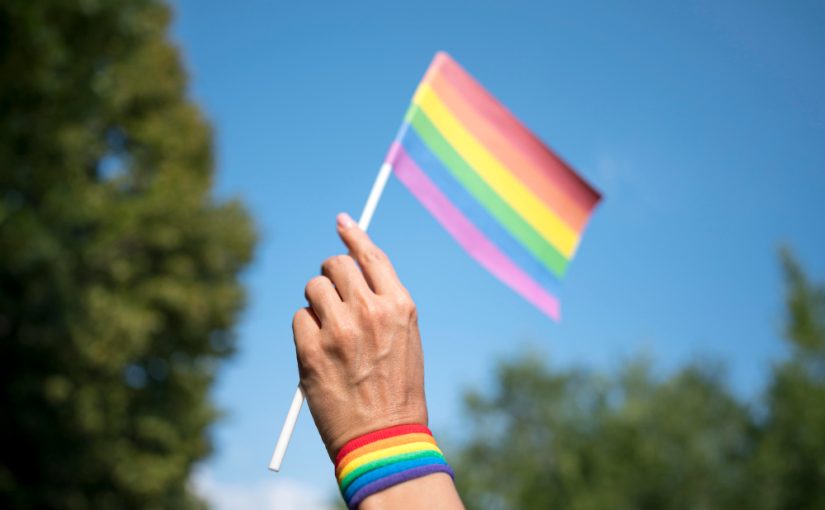
 Support for LGBTQ+ Community in the Workplace

Are you wondering how best to show support for the LGBTQ+ community? Here are the challenges they face at work and how to address them.

While progress has been made for LGBTQ+ rights, many organizations are still working toward establishing a safe and accepting place for all employees, especially those in the LGBT community. Successful organizations continuously work toward inclusion in their workplace to create a more positive work environment. Despite this progress, many challenges still exist for these employees.

Why Support for LGBTQ+ Community Is Needed

Discrimination Against LGBTQ+ Community

Employee discrimination is one of many workplace challenges that needs to be addressed to show support for the LGBTQ+ community. Many report unfair treatment or harassment in the workplace at some point during their careers. Transgender and gender non-conforming employees often face the most backlash, struggling to fit into the rigid confines of traditional gender norms.

In 2020, the Supreme Court ruled that discrimination based on gender identity or sexual orientation is illegal under Title VII of the Civil Rights Act of 1964. However, the journey towards establishing a safe and inclusive workplace requires more than legal compliance, it necessitates a shift in organizational culture. LGBT training in the workplace helps ensure that your staff understands the barriers that the LGBT community faces both in life and in the workplace, how best to support the LGBTQ+ community and how to be ally.

Isolation

Because so many employees in the LGBT community don’t feel understood, it can be isolating. Establishing Employee Resource Groups (ERGs) dedicated to LGBTQ+ employees and allies can provide support networks and other resources that help foster an inclusive workplace.

Underrepresentation

Catalyst reports that LGBTQ+ employees make up 5.9% of the workforce in the United States but are underrepresented in leadership roles. Just 25 of the 5,670 board seats in Fortune 500 companies are held by openly LGBT directors and only 2 of those are held by LGBT people of color.

Organizations must actively work to dismantle the barriers to advancement for LGBTQ+ employees, ensuring equitable opportunities for growth and leadership.

How Organizations Can Combat These Problems

With the many challenges that LGBTQ+ employees face, there are some things that you can do to help every staff member feel accepted at work and show support for the LGBTQ+ community.

  • Establish Employee Resource Groups (ERGs) that offer support and career resources.
  • Include protections for sexual orientation and gender identity in nondiscrimination policies.
  • Offer inclusive benefits, such as domestic partner benefits, that respect all family structures.
  • Create all-gender facilities that respect everyone’s privacy and identity.
  • Normalize the use of pronouns in the office to honor each individual’s identity.

Educate Your Staff About Workplace Challenges For LGBTQ+ Employees

As an organization, finding ways to ensure that every employee feels heard, valued, and respected is always important. This sense of belonging allows your team to work together more cohesively and to be more productive too. Embracing and utilizing tools like the Diversity Calendar are helpful steps in this journey. They not only offer valuable insights into LGBTQ+ inclusion but also guide your organization in evolving into a truly diverse and inclusive workplace.

FAQs

What ways can I offer support to those in the LGBTQ+ community while at work?

Some easy ways to support the community at work and beyond are to be affirming and respectful. Always actively listen to learn more about their story and to be an ally. Have an open-door policy as a DEI leader where all employees can voice concerns, make suggestions for accommodations, or report discrimination without fear of retaliation.

How do I make my workplace LGBTQ friendly?

First, starting an employee resource group allows you to provide support to all communities in your office. This will also help people when onboarding to have the support they need to transition well. Be open to suggestions from employees about benefits including domestic partner or same-sex married benefits or paternal leave.

What is LGBTQ inclusion in the workplace?

LGBTQ+ inclusion in the workplace occurs when employees of all sexual orientations and gender identities feel safe, supported, respected, valued, seen, and heard. This sense of belonging is important for all employees to want to be productive, to be more creative and innovative, and best of all, to stay at their job.

Types of Neurodiversity

Wondering about the different types of neurodiversity? Here’s an overview of neurodiversity, its different types, and how it affects managing neurodiverse employees. 

Creating a positive work environment depends on our understanding of the people we manage and collaborate with. A major part of this positive work experience is the feeling of belonging – being heard, accepted, respected, and valued. This sense of belonging is what helps employees to thrive.

Diversity, equity, and inclusion programs focus on this understanding of employees and embracing all parts of what makes a person who they are and what they can bring to the workplace. When you take time to fully understand someone, they are more engaged and stay with the organization longer. When people feel connected at work, they are more productive too.

The Overlooked Aspect of Neurodiversity

Despite increased awareness, neurodiversity is still underrepresented in many workplaces. Alarmingly, many neurodivergent individuals don’t even know that they are neurodiverse, potentially missing out on vital support or accommodations.

Educating your leaders and staff about types of neurodiversity will help them better understand how to achieve an inclusive workplace.

What Is Neurodiversity?

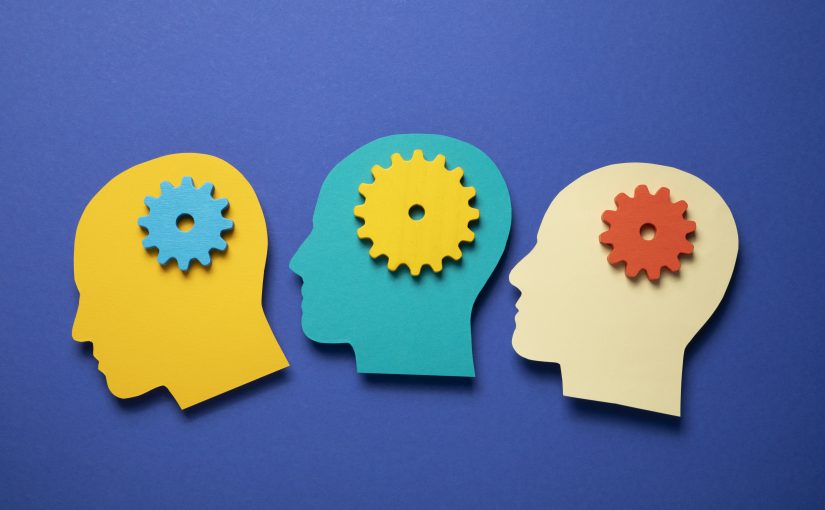
Neurodiversity is the concept that there is no “right” brain type. Neurodiversity affinity advocates that brain differences are normal and not deficits. This both recognizes and respects all humans, including those who are neurodiverse. These cognitive differences do not make anyone inferior to a neurotypical brain.

There are many different ways that a human brain can be wired. Diagnoses offer people a specific set of symptoms or experiences that they have in common so that they can understand themselves better.

There are many types of neurodiversity. Managing neurodiverse employees requires you to understand each type to make your workplace more accessible.

What Are Some Types of Neurodiversity?

While its roots started in autism, the concept of neurodiversity has grown to encompass a large range of neurological differences. Ultimately, not all types of neurodiversity are immediately apparent, making it crucial for workplaces to create an environment where individuals feel safe to share their needs.

ADHD or ADD

ADHD and ADD manifest in various ways, affecting focus, attention, and behavior. Adjusting how you communicate with these employees and how you assign work can help them immensely.

Autism Spectrum Disorders (ASD)

Those on the spectrum may experience different behavioral problems as well as social and communication challenges. A person may experience a mild or more severe case. Autism spectrum disorders include Asperger’s, Autistic Disorder, and Childhood integrative disorder, to name a few.

Dyslexia

This primarily affects reading and spelling due to differences in how the brain processes information. Simple adjustments, such as using sans serif fonts and bullet-style lists, can make written materials easier to read, which is something employers should consider when assigning projects and creating action items to work on.

Some other types of neurodiversity include dyscalculia, dyspraxia, dysgraphia, misophonia, or Tourette’s syndrome.

Embrace Brain Differences in the Workplace

Neurodiversity includes different neurological disorders that change how someone thinks and interacts at work and beyond. While the term includes a variety of different conditions, no two brains are ever the same, whether neurodiverse or not.

These differences in thinking have always existed, and these individuals have always contributed to society in positive ways. By understanding neurodiversity in the workplace and the different types of neurodiversity, you can help create a positive work environment where everyone can thrive. To dive deeper into this topic and to learn about other influential topics related to your workplace, try out a free trial of our online Diversity Calendar.

FAQs

How many types of neurodiversity are there?

There are many different types of neurodiversity. When someone is living with neurodivergence, they behave, think, and learn differently from someone who is neurotypical. Neurodiverse refers to a community of people who are neurodivergent. There are countless conditions included in neurodiversity, including autism, attention-deficit/hyperactivity disorder, dyslexia, anxiety, and Tourette’s Syndrome.

What are the four characteristics of neurodiversity?

Some examples of someone who is living with a neurodivergent condition include: doesn’t engage in verbal communication, doesn’t express emotions or empathy, speaks with an abnormal tone, is intensely focused on an object, and has difficulty recognizing nonverbal cues.

What mental illnesses are labeled as neurodivergent?

Many mental illnesses are considered neurodivergent including Tourette’s Syndrome, Obsessive-Compulsive Disorder, Anxiety, Depression, Bipolar disorder, and Dyspraxia. While some are not recognized as much as others, learning about neurodivergent versus neurotypical characteristics helps you better understand those around you as an employee or a DEI leader.

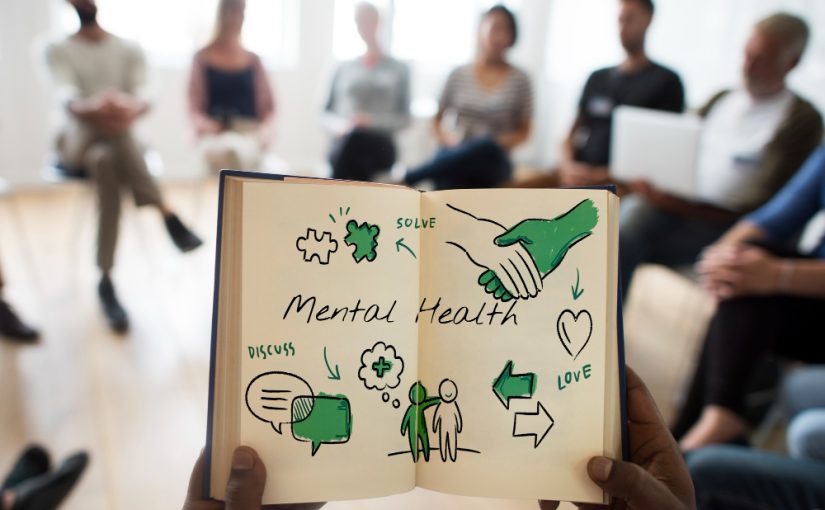
 Combatting Mental Health Stigma in the Workplace

Explore effective strategies to combat mental health stigma in the workplace, fostering a supportive and inclusive environment for all.

The World Health Organization highlights a shocking fact: two common mental health conditions, depression and anxiety, cost the global economy nearly $1 trillion USD annually.  This number shows the critical need for organizations to prioritize combating mental health stigma within their workplace.

In a time marked by increasing incidences of racial violence and hate crimes, the commitment to have a diverse and inclusive workplace is commendable. However, it’s just as critical to ensure employees feel supported, especially during these difficult times in the world.

Here we will discuss some ways to address mental health stigma in your workplace.

What is Mental Health Stigma?

Mental health stigma refers to the negative attitudes and perceptions toward people living with a mental illness. This stigma may lead to harassment or discrimination in the workplace, potentially influencing perceptions and behaviors towards those living with mental health conditions.  Creating an open, inclusive environment where everyone feels accepted, understood, safe, and supported can transform not only the workplace but also contribute to a more empathetic world.

Tips for Leaders to Counteract Mental Health Stigma

Leaders play an essential role in shaping workplace culture. Your behavior must reflect the workplace you want to lead. By learning more about supporting mental health and appropriate responses, you can be assured you’re prepared for any situation.

Here are some tips for how to work against mental health stigma in your organization:

Establish a Positive Working Environment

Minimize workplace risks such as job stress as much as possible by offering flexible scheduling and remote work opportunities.

Create a Mental Health & Well-Being Policy

This policy should be tailored to each organization’s unique. Consider including annual paid “mental health” days or incorporating breaks throughout the day for exercise, yoga, or meditation.

Communicate Your Commitment to Privacy & Employee Health

This helps your employees feel safe to share if they are living with a mental health condition and to be open and honest when it may be affecting their productivity.

Educate Your Team With Training

Online training can equip your team with the skills to collaborate more successfully with colleagues who have mental health conditions, enhancing team productivity.

Promote Mental Health Awareness

Accessible information and support accessible empower employees to understand mental health conditions better and show empathy towards those affected.

Fostering an Inclusive Culture

An inclusive cultures welcomes all employees, regardless of their mental health status or neurodiversity. Encouraging open dialogue allows them to feel accepted and heard. By taking steps to combat the mental health stigma, you help to make the world a more understanding and compassionate place.

While focusing on diversity and inclusivity, consider tools that can aid in this mission. Our Diversity Calendar and Online Diversity Training are designed to support organizations in building a truly inclusive environment. These resources are part of a comprehensive approach to embrace diversity in all its forms, ensuring every employee feels valued and heard.

FAQs

How can I help reduce the mental health stigma at work?

First, educating yourself about mental illness helps you better understand those around you. Be aware of your attitude or bias too. Choose your words carefully and use people-first language such as a person living with mental illness (not a mentally ill person). Educate others on this language too. Support those around you and be an ally to those living with mental illness or substance abuse disorders.

What are some actions that create mental health stigma?

Lack of understanding from someone’s family, friends, or colleagues is the first thing that may lead to this hurtful stigma. Also, having fewer opportunities at work or school contributes to it. Bullying, harassment, or discrimination can be detrimental too.

Culture Fit Vs Culture Add: What’s the Difference?

The concept of ‘Culture Fit’ has been common in recruiting for years. It emphasizes recruiting employees whose core values, beliefs, and behaviors align with those of your organization. The concept refers to a screening process where employers assess the potential impact of candidates on their organization. While the idea of hiring someone who seamlessly fits into your work culture sounds like a good idea, it may cause you to hire the same type of person repeatedly.

However, if you want to continue to grow, you need to embrace diversity. Hiring solely for Culture Fit leads to a repetitive cycle. By implementing more innovative perspectives, you can inspire growth in your organization.

What Is Culture Add?

Culture Add represents a shift in hiring strategy. It primarily focuses on finding contributors who not only share the organization’s ethics and values, but also bring something new to the table. This approach focuses on bringing new perspectives and embracing employee differences, which helps create an inclusive culture that is so valuable for any organization.

Learn How to Hire for Culture Add

Ultimately, culture is anything important to how your organization operates. The best way to hire for Culture Add is to look for gaps in your work culture that new hires can fill. Focusing on the values a candidate doesn’t align with may help to fill these gaps. For instance, an employee from a different culture can offer insights into connecting naturally with different audiences.

While this may feel difficult at first, it will force you out of your normal hiring comfort zone. Don’t allow that discomfort to prevent you from building a team that is more diverse and effective than ever before.

When you shift from Culture Fit to Culture Add, you can expect substantial growth in your organization. For more helpful tips, subscribe to our Online Diversity Calendar.

FAQs

What is an example of culture add?

One relatable example of culture add is when someone brings a more relaxed work ethic and attitude to a work culture of busybodies. This will positively influence your workplace to be more accepting of all people and productive too. Incorporating such diverse perspectives can lead to more innovative solutions and a healthier work environment.

What is culture add(ition)?

This is when candidates are hired to add diversity to a team’s work culture. For example, they may offer different skill sets, they’re from a different background which offers a unique perspective, or perhaps they bring gender diversity to a predominantly male team. This allows them to bring something new and exciting to the table.

How can I properly manage cultural fit and cultural add?

Defining your work culture helps you to know exactly the job hiring approach that will work best for your company. Be aware of unconscious biases and assess for cultural fit while searching for candidates who not only fit the culture but also add to it, ensuring they are highly qualified for the position. Fostering an inclusive environment where cultural adds are valued can enhance team dynamics and drive organizational growth.

What are some of the biggest benefits of hiring with culture add in mind?

This culture add thought base helps improve your chances of recruiting candidates that will reflect the values and ethics that your company holds. This means you’ll get diverse opinions from highly skilled individuals while improving your bottom line and your work culture simultaneously. Additionally, embracing culture add can lead to increased employee engagement and retention, as team members feel their unique contributions are valued.

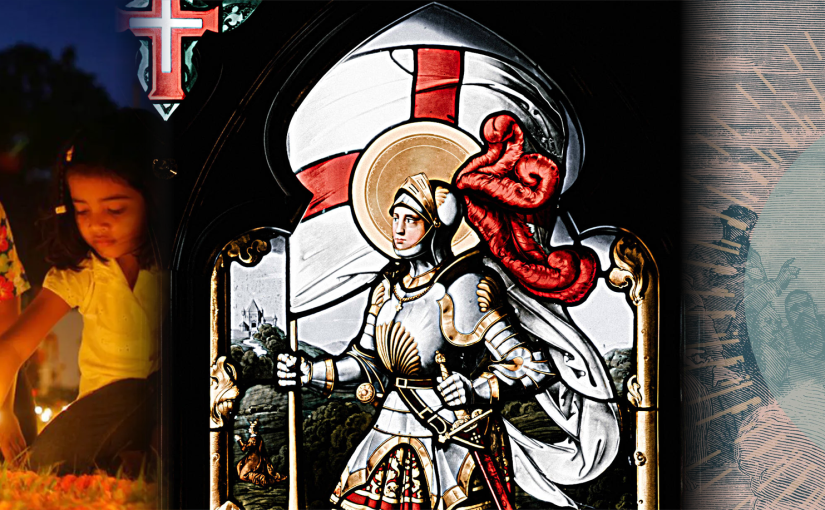
Key Christian Holidays

Christian holidays are some of the more widely known holidays in the West, with certain holidays such as Christmas and Halloween having attained status as cultural staples in countries such as the United States. There are many denominations among Christianity, and this is not a comprehensive list of all holidays throughout them, but rather an overview of some holy days of obligation and the most commonly observed holidays.

For all religious holidays, see our interactive DEI Calendar to access 200+ religious events.

Christian Holidays

Epiphany – January 6th

Epiphany marks the end of the “12 days of Christmas” in Western Christian tradition. The day commemorates when three wise men traveled to see the baby Jesus, bringing with them gifts of gold, frankincense and myrrh.

Lent & Ash Wednesday – February/March/April

A time of fasting, reflection, and preparation for Easter.  Many Christians observe Lent with a Lenten sacrifice, where they give something up until Easter. Lent begins on Ash Wednesday. This day falls on the 7th Wednesday before Easter, or, 40 days before Eastern, not including any Sundays.

St Patrick’s Day – March 17

A festival which commemorates the missionary who brought Christianity to Ireland. Often celebrated by the Irish and with Irish symbology and themes.

Palm Sunday – March / April

Palm Sunday is a holiday involving worship and prayer, held on the Sunday before Easter.

Good Friday – March / April

Good Friday commemorates the crucifixion of Jesus, on the Friday before Easter. Recognized as a holiday by many western countries, including 12 states in the U.S.

Explore our Interfaith Calendar 2025 which includes Christian holidays, religious holidays and religious festivals.

Christian Holidays Cont’d

Easter – March / April

One of the major Christian holy days. Easter celebrates the return of Jesus as the Christ following Good Friday. This festival has elements of springtime, rebirth and new life. Eggs are often symbolically given. Easter varies by year to year. It falls on the first Sunday after the first full moon after the march 21 (the vernal equinox).

All Saints’ Day / Halloween / Day of the Dead – October 31 / November 1 / November 2

All Saints’ Day is a Christian holiday which recognizes all saints, known and unknown. Many churches celebrate this holiday on the closest Sunday. Historically, it was called All Hallows’ Day, and the preceding eve was All Hallows’ Eve, which led to Halloween, now a widespread cultural observance. The day after All Saints’ Day, November 2, is called All Soul’s Day or Day of the Dead. In Mexican culture, Día de los Muertos is a joyous and significant holiday of remembrance.

Advent Sunday – November / December

Four Sundays before Christmas marks Advent Sunday, which is considered the start of the Christian year and the beginning of the Advent season which lasts through Christmas.

Christmas – December 25

Christmas is a festival celebrating the birth of Jesus. One of the most widely celebrated holidays in the western world, Christmas involves family gatherings, feasting, lights, music, and gift giving among various other religious and cultural traditions. Christmas has also become associated with Saint Nicholas of Myra, a bishop who was renowned for his habit of secret gift-giving and led to the cultural archetype of the American Santa Claus and the British Father Christmas.

Learn More About Christianity

These were only some of the Christian holidays you can find in our Diversity Calendar. For all religious holidays, see our interactive DEI Calendar to access 200+ religious events.

For more diversity observances, see our Diversity Calendar 2025.

Global Communication Styles in the Workplace

Understanding global communication styles in the workplace is essential in today’s interconnected world. Whether you’re part of a multinational corporation or a small organization with a diverse team, being adept at navigating these varied communication styles is crucial for lasting success.

The Melting Pot of Communication Styles

The workplace is a melting pot where different cultures, languages, and backgrounds come together. This diversity enriches our work environment, but it also presents unique challenges, particularly in intercultural communication. Global communication styles in the workplace vary significantly – from the direct and straightforward approach often seen in North American and Western European cultures to the more indirect and holistic styles prevalent in many Asian cultures.

Direct vs. Indirect Communication Styles

Cultures that value directness see it as a sign of honesty and efficiency. In contrast, other cultures might view the same directness as rude or disrespectful. Similarly, indirect communicators, who often rely on context and non-verbal cues, might find themselves misunderstood in environments where directness is the norm. The key to success here is to strike a balance and develop an understanding of these nuances.

High-Context vs. Low-Context Cultures

The concept of high-context and low-context cultures is important in understanding global communication styles in the workplace. On the other hand, high-context cultures (like Japan or Saudi Arabia) heavily rely on implicit communication, where much is conveyed through body language, tone of voice, and even silence. Low-context cultures (like Germany or the United States), on the other hand, depend on explicit verbal communication where the message is clear and detailed. Recognizing whether your colleagues come from high or low-context backgrounds can greatly enhance your interactions and collaborations.

Embracing Cultural Sensitivity Training

Cultural sensitivity training plays a critical role in enhancing global communication. This involves not only recognizing and respecting differences but also adapting your communication style accordingly. It’s about being empathetic and open-minded, understanding that there’s no one-size-fits-all approach.

The Role of Technology in Communication Styles

Additionally, in today’s digital age, technology has become a significant factor in global communication. However, it’s important to remember that the effectiveness of tools like email, video conferencing, and instant messaging can vary depending on the communication style of your audience. For instance, emails may work well in low-context cultures, while video conferencing might be better in high-context cultures where visual cues are essential.

Building an Inclusive Workplace

Encouraging an environment that respects and adapts to various global communication styles in the workplace is likely to increase productiveness. It fosters better collaboration, reduces misunderstandings, and enhances a team’s dynamic. It’s about being flexible, culturally sensitive, and empathetic. By embracing these diverse communication styles, both organizations and individuals can build stronger, more effective teams.

As we navigate through the complexities of global communication, let’s remember that it’s not just about overcoming barriers; it’s about building bridges of understanding that can lead to greater success and innovation.

Looking to further enhance your team’s understanding and appreciation of global communication styles? Our Online Diversity Calendar is the perfect resource for you. It provides valuable insights into various DEI events and serves as a DEI educational hub, helping you foster a respectful and inclusive workplace.

FAQs

What are the 4 types of communication styles?
The four types of communication styles are assertive, passive, aggressive, and passive-aggressive. These styles show different ways individuals express their thoughts, feelings, and needs, ranging from direct and respectful (assertive) to indirect and undermining (passive-aggressive).

What are the different types of global communication?
Global communication encompasses various forms, including verbal, non-verbal, written, and visual communication. These types adapt to diverse cultural, linguistic, and technological landscapes across the world, making cross-cultural interactions and exchanges easier.

What is the global communication strategy?
A global communication strategy involves developing and delivering messages that resonate with international audiences. This strategy prioritizes clarity, cultural sensitivity, inclusivity, and adaptability to ensure that communications are effective and respectful of the diverse global landscape.

What are the five 5 communication styles?
While traditionally four communication styles are recognized (assertive, passive, aggressive, passive-aggressive), some frameworks include a fifth style, often referred to as analytical or expressive. This style focuses on data-driven or emotionally rich communication, emphasizing the importance of content and emotional expression in interactions.

Understanding Neurodiversity in the Workplace

When we talk about DEI, most people often think of race, ethnicity, religion, or gender. However, an equally important form that often doesn’t get as much attention is neurodiversity in the workplace and beyond. Neurodiversity encompasses various neurological conditions that affect how someone works. This means that their brain works differently than a neurotypical person. This can refer to ADHD, Autism, or Dyslexia, to name a few conditions.

Why Neurodiversity in the Workplace Matters

Understanding and embracing neurodiversity in the workplace is key to creating an inclusive environment that supports every employee. For organizations, supporting neurodiverse employees is much more than just compliance – it’s about valuing diversity and inclusion and embracing the unique perspectives and strengths these individuals  bring to your workplace.

How to Best Support Neurodiverse Employees

Neurodivergent conditions can affect the way someone communicates, focuses, processes information and socializes. It’s important to acknowledge and understand that these differences are not disabilities, but just a natural part of their cognition.

Here’s how to support neurodiverse staff effectively:

  1. Provide Support & Accommodations: Consider implementing flexible work schedules, sensory-friendly workspaces, and assistive technologies. Regular check-ins and constructive feedback can profoundly impact their work experience.
  2. Address Stigma: Many people do not understand neurodiversity properly. Educating all employees can create a more accepting and informed workplace culture.
  3. Encourage An Inclusive Work Culture: Provide training for all employees on the nuances of neurodiversity in the workplace. As leaders, encouraging neurodiverse employees to share their experiences will help their coworkers better understand diverse working styles.

The Importance of Addressing Stigmas Surrounding Neurodiversity

Misconceptions about any group of people can create barriers at work. By addressing these stereotypes head-on, your  organization can better support neurodiverse employees. This will lead to a sense of belonging for all team members that will allow them to thrive and grow together.

Embracing neurodiversity in the workplace enriches your team with a variety of abilities and perspectives and fosters a collaborative environment where diverse talents can shine. To further enhance your workplace diversity, explore our mental health and workplace diversity and try a free trial of our Diversity Calendar that includes many educational resources.

FAQs

How can I best support an employee living with neurodiversity?

Neurodiverse employees may prefer clear and direct communication. Try to avoid using sarcasm as some may struggle to understand the context. As much as possible, try to leave questions open-ended so they feel able to respond without pressure. Creating a structured environment with routine schedules can also help, as it provides a predictable and secure framework for their workday. Providing visual aids or written instructions for complex tasks can enhance their understanding and performance.

What are some ways to embrace neurodiversity positively in the workplace?

Organize diversity training that allows you to better understand every team member. Also, be open to feedback from employees on ways that they could be more efficient at work. Be equipped to offer accommodations when necessary. Creating a mentorship or buddy system can provide additional support and foster a sense of belonging. Encouraging a flexible work environment that allows for different work styles and strengths can maximize productivity and employee satisfaction.

What is the best way to work with someone who is neurodiverse?

Workplaces can support neurodivergent employees by providing reasonable accommodations and building awareness in the workplace. This fosters a culture that is diverse and inclusive. It’s also beneficial to focus on their strengths and how these can be used within the team, rather than perceiving neurodiversity as a challenge. Regular check-ins to discuss their needs and any adjustments to their work environment can make a significant difference in their work life.

Is ADHD considered neurodivergent?

ADHD is considered a neurodevelopmental disorder that changes how someone thinks and processes information. Individuals with ADHD may experience challenges with attention, impulsivity, and organization but also often exhibit high levels of creativity and problem-solving skills. Understanding and accommodating these differences can enhance their contribution to the workplace.

Should I tell my employer I’m neurodivergent?

Don’t feel pressured to self-identify, but many employers will work with you to make your workspace more accommodating. Disclosing your neurodiversity can lead to a better understanding of your unique needs and strengths, allowing for a more supportive work environment. However, it’s important to weigh the benefits and potential risks based on your specific workplace culture and policies.

Hinduism Holy Days: Hindu Religious Observances Calendar

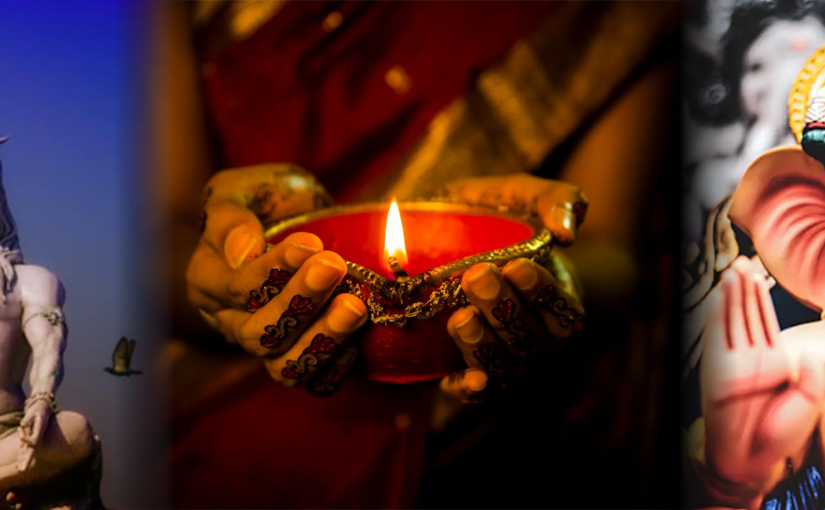
Hinduism is the third-largest religion in the world, with more than a billion followers. Hinduism has deep ties to India, and is widely known for its art, history, architecture, and revelrous cultural celebrations. It is considered to be the world’s oldest religion. Many Hindu holy days follow a distinct lunisolar calendar that differs from the Gregorian calendar used in the West, and as such, festivals fall on different Gregorian dates from year to year.

Below is our list of Hindu festivals which includes Hinduism holy days, Hindu religious holidays calendar and festivals.

Makar Sankranti – January

Marks the first day of the sun’s transit in Makara, known as Capricorn in the West. This Hindu holiday has many traditions and rites including ceremonial bathing in sacred rivers and lakes, mass pilgrimages, and sun worship.

Maha Shivratri – February / March

Maha Shivratri is a solemn Hindu festival that occurs towards the end of winter, before the spring. It is marked with rituals such as fasting and meditation. The holiday occurs on the last night of the waning moon in the Hindu month of Phalguna or Magha.

Holi  –  March

Holi is one of the most important holidays in Hinduism, celebrating the end of winter and the divine, eternal love of Radha Krishna. Holi is a jubilant Hindu holiday of gathering, reunion, mending what is broken, music, dancing and playing. People smear dry colored powder on each other and drench each other with colored water; anyone is fair game while out and about and, by midday, everyone is covered in bright colors, hence its nickname the Festival of Colors. Festivities last one night and the following day, starting on the evening of the full moon in the month of Phalguna, which corresponds to late February-March in the Gregorian calendar.

Rama Navami – March / April

A spring Hindu festival celebrating the birth of Vishnu’s seventh avatar. Celebrations vary throughout the Hindu world, including ritual storytelling, fires, worship, and traditional readings.

Krishna Janmashtami – August / September

A holiday celebrating the birth of the eighth avatar of Vishnu, called Krishna. It is an important Hindu religious holiday, with traditions involving dance-drama performances, devotional singing, vigil and festivals.

Ganesh Chaturthi – August / September

A festival commenting the arrival of Lord Ganesh, one of the most widely known and worshipped deities in the Hindu faith. The festival is celebrated by prayer, hymns, fasting, group feasting, athletic events and martial arts competitions.

Navratri & Durga Puja –  September / October

One of the largest festivals in the Hinduism religious holidays calendar occurs during the autumnal season, celebrated differently throughout different Hindu communities and for different reasons. Navratri is a nine-day festival (Navaratri is Sanskrit for “nine nights”) celebrated in the northern and western regions of India. Durga Puja is a ten-day festival celebrated in eastern India and the Bengal region. Some Hindu communities in Nepal and parts of India celebrate another festival around this time, known as Dashain. The exact dates are determined by ancient Hindu calendar traditions, but usually fall in late September or October, after the autumnal equinox.

Diwali  –  October / November

Diwali (Deepavali, Divali, Dīpāwali, Dipabali, Dīvali) is one of the most important and sacred Hinduism holy days.. It a festival of light and involves many traditions such as fireworks, gift-giving, feasting, and worship. Celebrants often decorate their home and workplace with small lights and oils lamps (diyas). Diwali is a five-day festival, with the third day (the day of the new moon) regarded as holding the most significant ceremonies. It is held during the new moon of Kartika, the month on the Hindu lunisolar calendar that corresponds roughly to mid-October through mid-November in the Gregorian calendar.

OTHER HOLIDAYS & OBSERVANCES

Below is an extended list of Hinduism holy days. Check out our Interfaith Calendar 2024 for a list of all religious holidays.

Thaipusam – January / February

A Tamil Hindu holy day, celebrated in Malaysia, Sri Lanka, Mauritius and the Indian state of Tamil Nadu. Falls on the full moon in the Tamil Hindu month of Thai.

Vasant Panchami – January / February

Also known as Saraswati Puja. Held 40 days before Holi, beginning the preparations for the arrival of spring and is dedicated to the goddess of learning and the arts.

Holika Dahan – February / March

A festival involving bonfires, typically held on the eve of Holi at sunset.

Hindu New Year – March / April

Celebrated on the first day of the first day of the month Chaitra in the Hindu lunisolar calendar. Known as Ugadi in some Indian states.

Vaisakhi – April 

New Year’s Day, as observed by Sikhs but also some Hindu communities.

Hanuman Jayanti – March / April

An important religious festival commemorating the birth of Hindu God Hanuman. It is observed on different days throughout India, but is most widely celebrated on the full moon of the Chaitra month.

Akshaya Tritiya – April / May

An annual spring festival celebrated by Hindu and Jain communities.

Chhath – April / May or October / November, depending on region

An ancient Hindu festival that varies throughout cultures. Involves sacred rites, fasting, standing in water and offering prayer.

Puri Rath Yatra – June / July

A religious festival meaning “Chariot Festival”, held annually in Hindu communities in Eastern India. Celebrations include a parade and elaborate ceremonies.

Guru Purnima – June / July Full Moon

A festival honoring gurus, observed by Buddhists, Hindus and Jains. Falls on the full moon in the month of Ashadha. The name translates to Guru Full Moon.

Nag Panchami – July / August

A day of traditional worship of snakes, observed by Buddhists, Hindus and Jains. The exact date is determined by the lunisolar Hindu calendar in the month of Shravana.

Varalakshmi Vrat – July / August

A festival and day of ritual worship for women, honoring the Goddess Lakshmi.

Raksha Bandhan – July / August

A cultural annual tradition involving familial and marital rites.

Onam – August / September

Onam is a religious holiday and harvest festival observed in the Indian state of Kerala and by Hindus of Malayalam ancestry. Festivities begin a week before the holiday. There are four main days, with the third day (Thiru Onam) being the most sacred and important.

Vishwakarma Puja – September 

A celebration of the god Vishwakarma, the divine architect, most often observed by craftsmen and industrial workers.

Sharad Purnima – September / October Full Moon

A harvest festival held during the month of Ashvin. Sharad is a season in the Hindu calendar, and Purnima translates to Full Moon.

Karwa Chauth – October / November

A day of fasting for married women, most common in North India. Falls four days after the full moon in the Hindu month of Kartika.

Dhan Teras – October / November New Moon

The beginning of Diwali, held on the eve of the new moon in the month of Kartika.

Bhai Dooj – October / November

A festival known by different names throughout South Asia. Traditions involve ritual gift giving and family rites.

Kartik Poornima – November / December Full Moon

The full moon festival in the month of Kartik.

Dhanu Sankranti – December

A festival celebrating the Sun crossing into Dhanu Rashi, which is known as the sign of Sagittarius in the west. Sankrati refers to the sun’s crossing.

Final Thoughts

We hope this list of Hindu holy days is useful to you. Inclusive scheduling is a must for businesses and organizations. It allows everyone to recognize holy days regardless of which world religion their employees or members participate in.

For all religious holidays, see our interactive DEI Calendar  to access 200+ religious events.

For more diversity topics, see our Diversity Calendar 2024.

Sign In

Sign in to Diversity Resources