


Business Resource Groups (BRGs) are emerging as the next evolution of traditional employee networks in many organizations. While Employee Resource Groups (ERGs) have long helped build connection and support among employees, companies are increasingly expanding these groups into structures that also contribute to business strategy. The shift from ERGs to BRGs reflects a broader recognition that employee communities can play a meaningful role in leadership development, talent strategy, and organizational growth.
Understanding the difference between ERGs and BRGs helps HR and leadership teams design resource groups that support both employee belonging and business outcomes.
What Employee Resource Groups Traditionally Do
Employee Resource Groups are voluntary, employee-led groups organized around shared identities, experiences, or interests. These groups may center on race, gender, culture, disability, veteran status, or other common experiences. As organizations explore how Employee Resource Groups are evolving, many are expanding the role of these groups beyond community building to include a broader impact across the workplace.
Historically, ERGs have focused on creating supportive spaces within the workplace. They often help employees connect with peers, share experiences, and build a sense of community at work. Many organizations rely on ERGs to strengthen workplace culture by promoting inclusion and visibility for different employee communities.
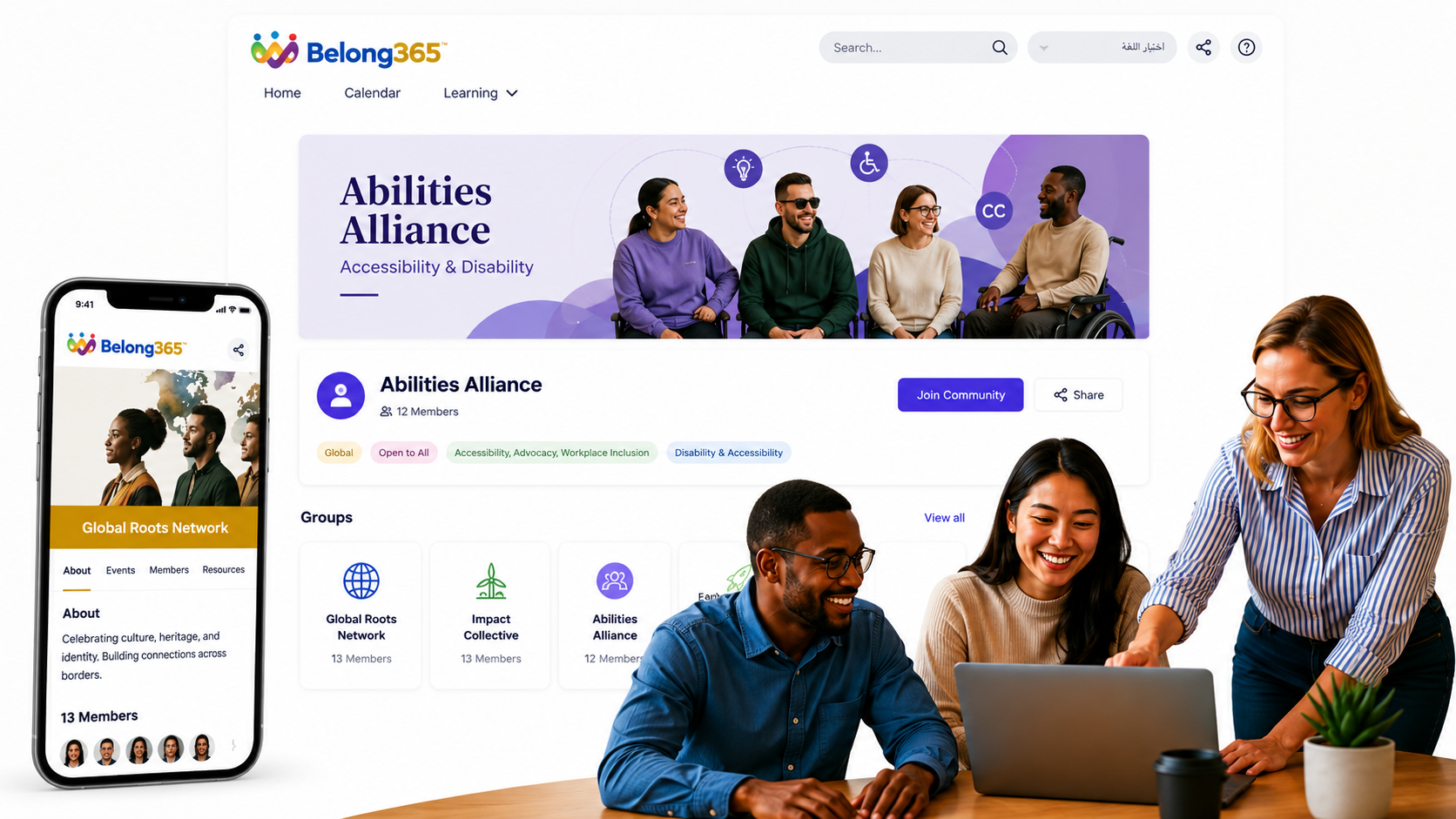
Typical ERG activities may include:
- Hosting cultural or awareness events
- Providing peer support and networking opportunities
- Celebrating heritage months or important cultural moments
- Creating safe spaces for dialogue and shared experiences
- Supporting employee engagement initiatives
These activities remain valuable. ERGs often serve as a foundation for belonging within an organization and help employees feel seen and supported.
However, as organizations mature in their approach to inclusion and talent strategy, many leaders have recognized that these groups can contribute much more.
Business Resource Groups Expand the Role of ERGs
A Business Resource Group (BRG) builds on the community foundation of ERGs while adding a stronger connection to business goals. Instead of focusing only on employee engagement, BRGs also align their work with organizational priorities.
This is why many companies are shifting from the ERG model toward Business Resource Groups. The idea is not to replace employee community, but to expand its influence.
BRGs often contribute in several strategic areas:
Leadership Development
Participation in a BRG can give employees opportunities to lead projects, organize initiatives, and collaborate with senior leadership. These experiences help develop future leaders within the organization.
Talent Attraction and Recruitment
BRGs frequently partner with recruiting teams to help attract diverse candidates. Members may participate in recruiting events, share insights about candidate experience, or help organizations better understand how to appeal to different talent communities.
Market and Customer Insight
Employees bring valuable perspectives about customers, communities, and markets. BRGs can offer feedback that helps companies better understand cultural nuance, emerging needs, or new opportunities.
Product and Service Feedback
In some organizations, BRGs review products, marketing campaigns, or services to provide feedback that reflects a wider range of perspectives.
Cultural Awareness and Education
Like ERGs, BRGs still help organizations increase awareness of cultural moments and global perspectives. The difference is that these activities are often linked to broader business conversations around inclusion and workplace culture.
ERG vs BRG: Why Organizations Are Making the Shift
The shift from ERG vs BRG reflects a broader change in how organizations think about employee communities.
Traditional ERGs were sometimes viewed primarily as social or cultural groups. While that work is important, many companies realized these networks could also support key business objectives.
By framing them as Business Resource Groups, organizations signal that these groups are valued contributors to the company’s strategy, not just voluntary employee clubs.
This shift also helps clarify expectations and support structures. Many BRGs now operate with:
- Executive sponsors
- Defined goals aligned with company priorities
- Dedicated budgets
- Opportunities to collaborate with departments such as HR, marketing, recruiting, and product teams
When structured well, BRGs create a bridge between employee voice and organizational leadership.
How Business Resource Groups Drive Organizational Impact
Well-supported Business Resource Groups can contribute meaningfully across several areas of an organization.
Talent Development
Employees who lead initiatives within a BRG gain project management, leadership, and communication experience that strengthens the company’s leadership pipeline.
Recruitment and Retention
Candidates increasingly look for workplaces where they can connect with communities and feel supported. BRGs help demonstrate that commitment and often play a role in welcoming new employees.
Cultural Awareness and Learning
BRGs help organizations recognize global traditions, cultural perspectives, and community experiences that may otherwise be overlooked. This strengthens communication and collaboration across teams.
Product and Market Insight
Because employees come from many backgrounds and communities, BRGs can offer feedback that improves how companies design products, communicate with customers, and engage with different markets.
Community Engagement
Many BRGs partner with community organizations, nonprofits, or educational programs. These partnerships can strengthen the company’s presence in the communities it serves.
When these contributions are recognized and supported, BRGs become a powerful link between employee experience and organizational strategy.
A New Perspective on Employee Communities
The move toward Business Resource Groups does not replace the purpose of Employee Resource Groups. Instead, it builds on that foundation.
ERGs created space for connection and belonging inside organizations. BRGs take that same community and expand its impact, connecting employee voice with leadership priorities and business outcomes.
For HR leaders and executives, the opportunity is not simply to rename ERGs. The goal is to support resource groups in ways that allow them to grow into meaningful contributors to both culture and business success.
When organizations structure and support Business Resource Groups thoughtfully, they create environments where employees feel connected and where those connections can actively strengthen the company as a whole.