


Since 2020, allyship in the workplace has shifted from a public declaration to a daily expectation. While posting a black square or issuing a solidarity statement may have felt impactful in the early days of corporate DEI, today’s employees are demanding more than words. They’re asking for action, and they can spot performative allyship from a mile away.
So what does performative allyship actually look like in 2026? And what does real support look like instead? Let’s take a closer look.
How Allyship Has Evolved
In the wake of 2020’s racial justice movement, companies scrambled to say the right things. Many issued public pledges and formed new ERGs. Some even hired their first DEI leads. But as time passed, it became clear that statements without follow-through created more harm than good, especially when it comes to performative allyship.
Now, employees are holding their companies accountable for falling back into symbolic support. Allyship is no longer measured by what you say; it’s measured by what changes because of what you say. When allyship is used to appear progressive rather than to make progress, it’s more harmful than helpful.
How Performative Allyship Shows Up in 2026
Performative allyship has evolved. It’s not always loud or obvious. In many cases, it hides behind good intentions or polished branding. Here are a few examples:
1. Diversity in photos, not leadership
A company’s website may feature a diverse mix of people, but its boardroom still doesn’t. When representation is only for optics, it becomes a textbook example of performative allyship.
2. One-off training with no accountability
Hosting a yearly bias workshop looks good on paper. But if the organization doesn’t track progress, address behavior, or invest in culture change, it reflects performative allyship in action.
3. Public gestures, private inaction
This kind of performative allyship includes changing logos for Pride Month while failing to implement inclusive healthcare policies or supporting Juneteenth externally while ignoring employee concerns about racial bias.
4. Silence when it matters most.
Employees notice when companies speak up about inclusion during safe or trendy moments, but stay quiet during real-time crises. This silence is often a subtle form of performative allyship.
As this article on tokenism explains, diversity efforts that stop at surface-level representation can do more harm than good. When marginalized employees are hired to “check a box” but not empowered to lead or influence decisions, that’s not allyship, it’s optics.
What Authentic Allyship Looks Like
To break free from performative allyship, companies must focus on presence, consistency, and systemic action. Here’s how HR and DEI leaders can guide that transition:
1. Audit your actions
Look at your DEI efforts through a lens of impact. Are they truly improving culture, representation, or retention, or just appearing to?
2. Create feedback loops
Empower employees to voice what they need, and make it safe to call out when allyship feels performative or shallow.
3. Back up your values with policies
If your company claims to support inclusion, make sure that’s reflected in everything from parental leave and pay equity to promotions and onboarding. Otherwise, the gap creates space for performative allyship to grow.
4. Invest in daily education
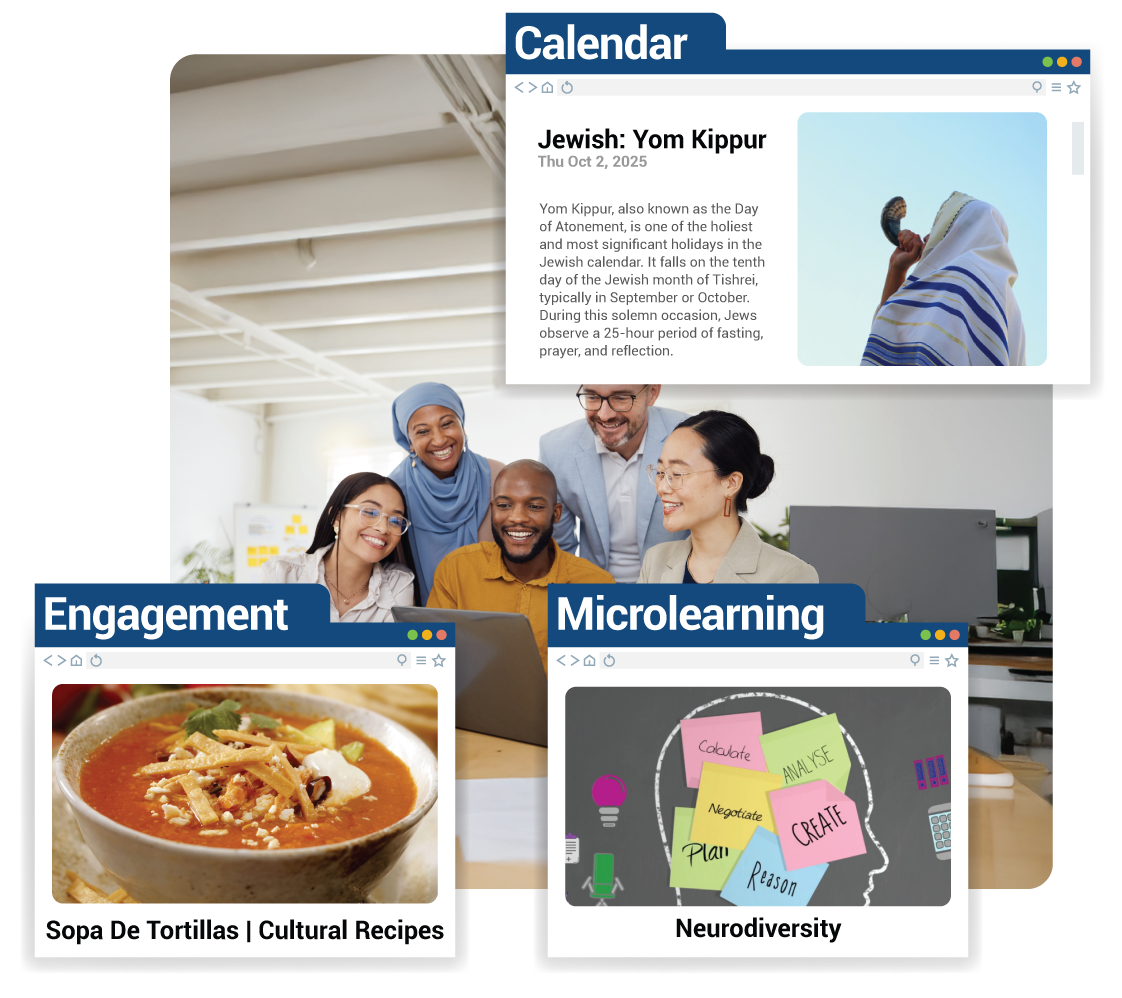
Microlearning helps organizations stay consistent by incorporating inclusion into everyday work, not just heritage months or awareness days.
Performative Allyship Won’t Cut It in 2026
Performative allyship is easy to recognize, and even easier to resent. Today’s employees are asking deeper questions: Who’s making decisions? Who’s being heard? What’s actually changing?
Unlike performative allyship, real allyship shows up without fanfare. It’s built through policy, presence, and practice, every day, not just when it’s trending.
Because in 2026, people don’t just want you to say the right thing. They want to see what you’re doing when no one’s clapping.
Want to make inclusion part of your everyday operations? Discover how our Belonging Calendar can help you embed DEI into your culture with actionable tools, insights, and resources for real impact.