


A strong employee onboarding experience does not need to be complicated. It needs to be clear, organized, and human. New hires should know what to expect, where to find things, who to ask for help, and how their role connects to the bigger picture. When onboarding feels scattered, people waste energy trying to figure out basic steps instead of settling into their work with confidence.
Common Onboarding Gaps That Slow New Hires Down
Many onboarding problems are not caused by a lack of effort. Often, they happen because teams are busy, information lives in too many places, or no one owns the full process from start to finish.
Common gaps include:
- Employees waiting too long for logins, equipment, or access
- Unclear expectations after the first week
- Too much information delivered all at once
- No clear person to go to with simple questions
- Limited context about team culture or communication norms
- Managers assuming HR has covered everything
- HR teams assuming managers are following up regularly
These gaps may seem small, but they shape how a new employee feels in the first few weeks. A messy start can create stress, confusion, and doubt. As a result, a better start helps people feel prepared and welcomed.
1. Start the Employee Onboarding Experience Before Day One
Onboarding should not begin when the new hire walks in or logs on for the first time. A few simple steps before day one can reduce nerves and make the first day feel smoother.
Why it matters: The time between signing the offer and starting the role can feel quiet and uncertain. Because of this, preboarding helps the new hire feel expected, not forgotten.
Simple example: Send a short welcome email a few days before they start. Include their start time, first meeting details, dress code or remote setup notes, who they will meet, and anything they need to prepare.
For small or stretched teams: This doesn’t need to be fancy. A reusable email template works. The key is making sure the person knows what is happening next.
2. Give New Hires a Clear 30, 60, and 90 Day Plan
From the beginning, new employees shouldn’t have to guess what success looks like. A 30, 60, and 90 day plan gives them direction without overwhelming them.
Why it matters: The first few months are full of learning. In addition, a simple plan helps the employee understand priorities, expected progress, and how their work will be measured.
Simple example: For the first 30 days, focus on learning the team, tools, and role expectations. By 60 days, they may start owning smaller tasks. By 90 days, they should be handling core responsibilities with more confidence.
For small or stretched teams: Keep it to one page. Include key goals, important meetings, training tasks, and a few realistic milestones. It’s better to have a simple plan people use than a detailed document no one opens.
3. Assign a Buddy or Point of Contact
A strong employee onboarding experience also gives new hires someone they can ask everyday questions without feeling judged.
Why it matters: For example, new employees often have small questions that can feel awkward to ask. Where do files live? Which communication channel should they use? Who approves this request? A buddy helps answer those questions quickly.
Simple example: Pair the new hire with someone on the team for the first month. Then, ask the buddy to check in twice during the first week and once a week after that.
For small or stretched teams: The buddy doesn’t need to lead training. Instead, their role can be simple: answer practical questions, explain team habits, and help the new hire feel less alone.
4. Simplify Tools and Access From the Start
Nothing kills momentum faster than a new hire spending their first few days waiting for passwords, platforms, or permissions.
A smoother employee onboarding experience starts when the basic tools are ready before the new hire needs them.
Why it matters: Tools and access are basic needs. When they arn’t ready, the employee cannot fully participate. It also sends the message that onboarding was not prepared.
Simple example: Create a checklist for accounts, software, shared drives, email groups, calendar invites, and equipment. Then, assign one person to confirm everything is ready before the start date.
For small or stretched teams: Use a shared checklist in a document or project tool. It doesn’t need a new system. However, it does need clear ownership and follow through.
5. Make Onboarding an Ongoing Process, Not a One Week Task
The employee onboarding experience should continue beyond the first week. A first week orientation is helpful, but it’s not enough. People need time to understand their role, relationships, workflows, and culture.
Why it matters: New hires often absorb only part of what they hear in the first few days. Spreading onboarding over several weeks makes learning easier and more useful.
Simple example: Break onboarding into weekly themes. Week one can focus on setup and introductions. Week two can focus on tools and workflows. Week three can focus on role expectations. Week four can focus on feedback and next steps.
For small or stretched teams: You don’t need daily sessions. Even one planned touchpoint per week can make onboarding feel more steady and less rushed.
6. Build in Regular Check Ins and Feedback Loops
New hires shouldn’t have to wait until something goes wrong to talk about how onboarding is going.
These check ins help improve the employee onboarding experience while the employee is still settling in.
Why it matters: As a result, regular check ins help managers catch confusion early. They also give the new employee space to ask questions, share concerns, and feel supported.
Simple example: Schedule short check ins at the end of week one, week two, day 30, day 60, and day 90. Ask practical questions like: What is clear? What still feels unclear? What would help you do your work better?
For small or stretched teams: A check in can be 15 minutes. The goal isn’t to add more meetings. Instead, the goal is to make sure the new hire isn’t silently struggling.
7. Introduce Company Culture Naturally
However, culture should not feel like a script. New hires learn culture through real examples, team habits, communication styles, and what leaders actually pay attention to.
Why it matters: A values slide can help, but it’s not enough. People understand culture when they see how decisions are made, how feedback is handled, how meetings work, and how people treat each other.
Simple example: Instead of only sharing company values, explain how they show up in daily work. If collaboration is important, show how teams share updates. If inclusion matters, explain how meetings are structured so more voices can contribute.
For small or stretched teams: Use real moments. Invite the new hire to team meetings, explain internal processes, and give context behind how the team works. Over time, culture is easier to understand when it feels practical.
How a Centralized Hub or Calendar Can Support the Employee Onboarding Experience
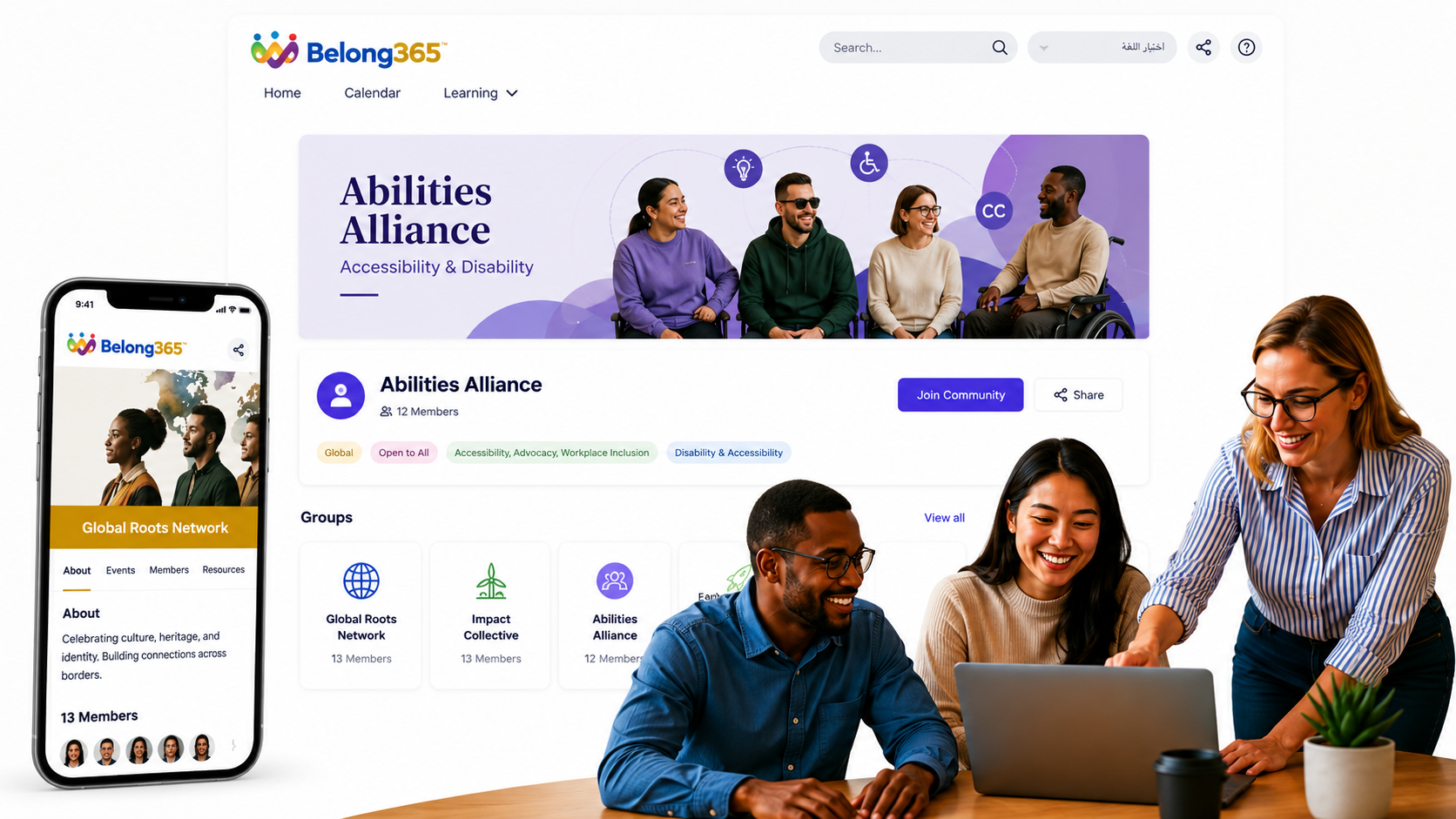
One simple way to improve the employee onboarding experience is to reduce the number of places new hires have to search for information. A centralized hub or shared calendar can help keep resources, events, reminders, and learning moments in one place.
This can include onboarding checklists, short training videos, team introductions, important dates, company observances, and learning opportunities. It also helps managers and HR teams stay aligned, especially when multiple people are involved in onboarding.
For small teams, this doesn’t have to be a large platform. It can start as a shared calendar, internal page, or organized resource folder. What matters most is that new hires know where to go when they need information.
A Better Employee Onboarding Experience Starts With Clarity
Improving onboarding doesn’t always require a big budget or a full program rebuild. Most teams can make progress by preparing earlier, setting clearer expectations, assigning support, organizing tools, and checking in regularly.
A better employee onboarding experience gives people room to learn, ask questions, and build confidence over time. When the process feels clear and human, new hires are more likely to feel connected, supported, and ready to contribute.