


In a year marked by both challenges and opportunities in diversity, equity, and inclusion (DEI) initiatives, the need to stay informed with DEI Statistics 2024 has never been more critical. The DEI industry has seen significant changes, with a noticeable retreat in progress from some DEI industry leaders after an initial surge in diversity awareness. This situation has been further complicated by the undefined roles of many chief diversity officers, limiting their impact on decision-making. Additionally, certain states have imposed restrictions on DEI funding, posing further challenges.
Understanding DEI in the Current Climate
As organizations looking towards a brighter future, learning about DEI Statistics 2024 is curial for planning a successful new year.
One in Four Women Report an Increase in DEI Commitment
This statistic reflects a positive trend, but it’s nuanced. Another DEI statistic reveals that 22% of women have noticed a decline in support. This complexity highlights the importance of ongoing, impactful conversations with coworkers and leadership to continue to build your DEI strategy and training.
One in Three Employees Say Their Employer Supports Their Mental Health & Work/Life Balance
Since the pandemic, there’s a growing recognition of the significance of employee well-being. Let’s face it, the better that someone feels, the more productive they’ll be. Part of that includes having a healthy work/life balance to prevent burnout. Many companies are now more vocal about their commitment to supporting the mental health of their employees, an essential component of DEI efforts
83% of women who have been working remotely want to continue remote work
While the future of remote work is still complicated, especially when it comes to DEI, employers should strive to create an inclusive path forward that accommodates various working styles – remote, hybrid, or in-person.
Looking Ahead with DEI Statistics 2024
Gaining insights from DEI statistics 2024 is more than just number-crunching. It’s about understanding emerging trends and shaping an inclusive, successful workplace culture for 2024 and beyond. Let’s use these insights not just as data points, but as catalysts for positive change in our organizations.
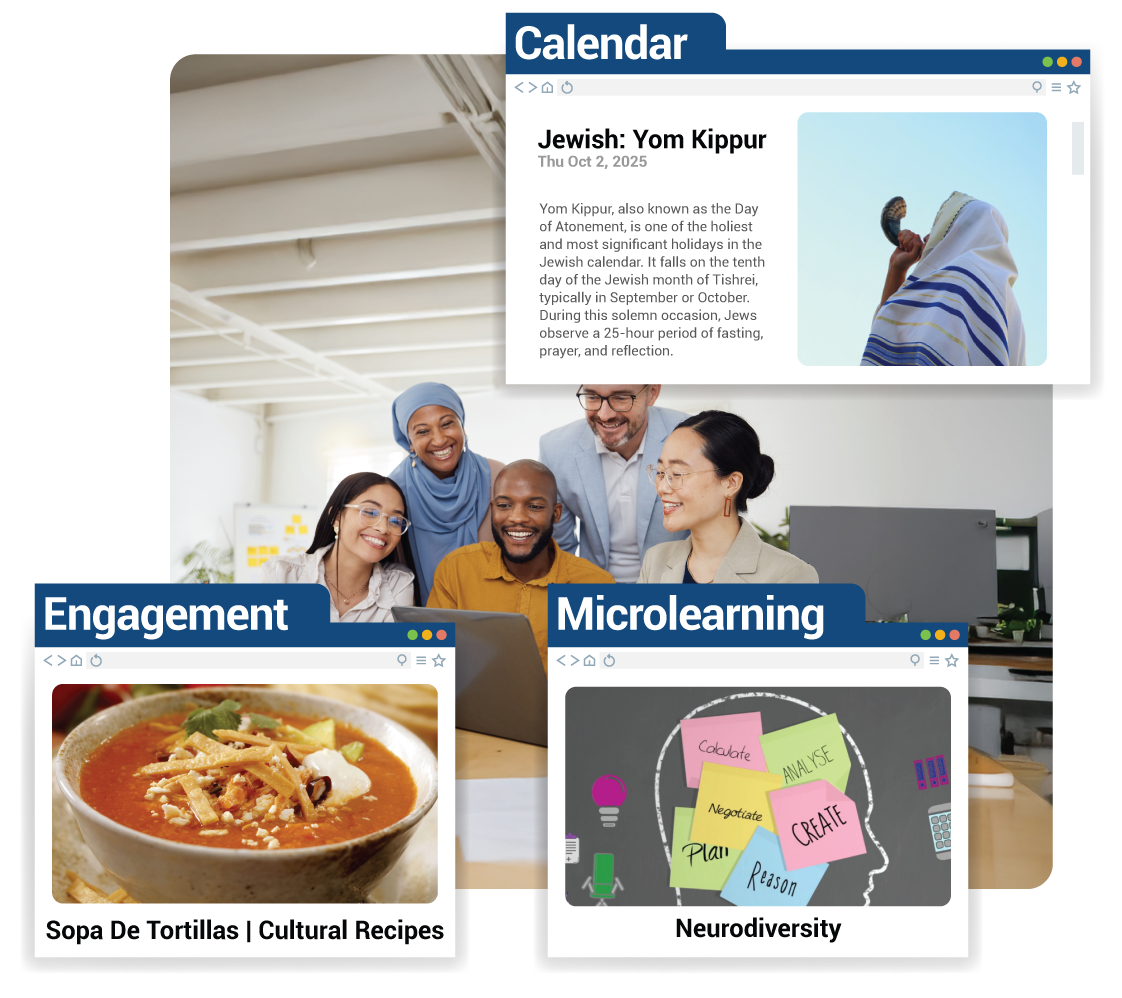
To further enhance your understanding and application of DEI principles, consider exploring our Online Diversity Calendar. It’s an invaluable resource for staying updated about important DEI events and fostering a culture of diversity and inclusion in your workplace.
FAQs
How does DEI impact the workplace?
DEI creates a positive work environment where everyone feels valued for their contributions. This helps to improve productivity and collaboration for a team. This sense of belonging allows your staff to feel respected and heard as their true self, regardless of their faith, ethnicity, socioeconomic status, or ability.
What are some of the major concerns about DEI in the workplace?
There are many DEI challenges in organizations across the world. Many times the biggest challenge isn’t that DEI initiatives don’t exist, it is that they do but there is a failure of measuring their effectiveness. When you don’t know what benchmarks to compare, you won’t learn much about their impact. By having an open-communication policy, you learn how your employees feel about your work culture regularly. This will generate ideas of changes to make to ensure that everyone feels valued, seen, and heard.
How important is DEI to a staff?
Diversity, equity, and inclusion are not only important but beneficial too. Diversity allows for new perspectives, which leads to better innovation. Equity helps create a fair and equitable work environment that offers opportunities for all team members to grow with the company. Lastly, inclusion ensures that employees feel a sense of belonging. This understanding is what helps a team thrive together regularly and helps your bottom line.