


In 2025, the conversation around inclusion is taking a new direction. Instead of ticking boxes or following formal DEI procedures, more companies are embracing a deeper mindset: cultural intelligence. It’s no longer just about policy; it’s about people. Leaders today need the ability to understand, relate to, and work effectively with people from different cultures, backgrounds, and identities.
It’s not about political correctness. It’s about creating workplaces where everyone feels seen, valued, and heard. And it starts with leaders who are self-aware, open, and willing to grow.
From Compliance to Cultural Intelligence
The old DEI playbook relied heavily on regulation and risk avoidance. Training sessions? Check. Inclusive mission statements? Check. But those efforts often felt shallow when not supported by real behavioral change.
Forward-thinking organizations now ask different questions:
- Are our leaders equipped to lead diverse global teams?
- Do we know how to build trust across cultural differences?
- Are we practicing cultural intelligence at every level?
Cultural intelligence is the ability to adapt, connect, and collaborate across differences.
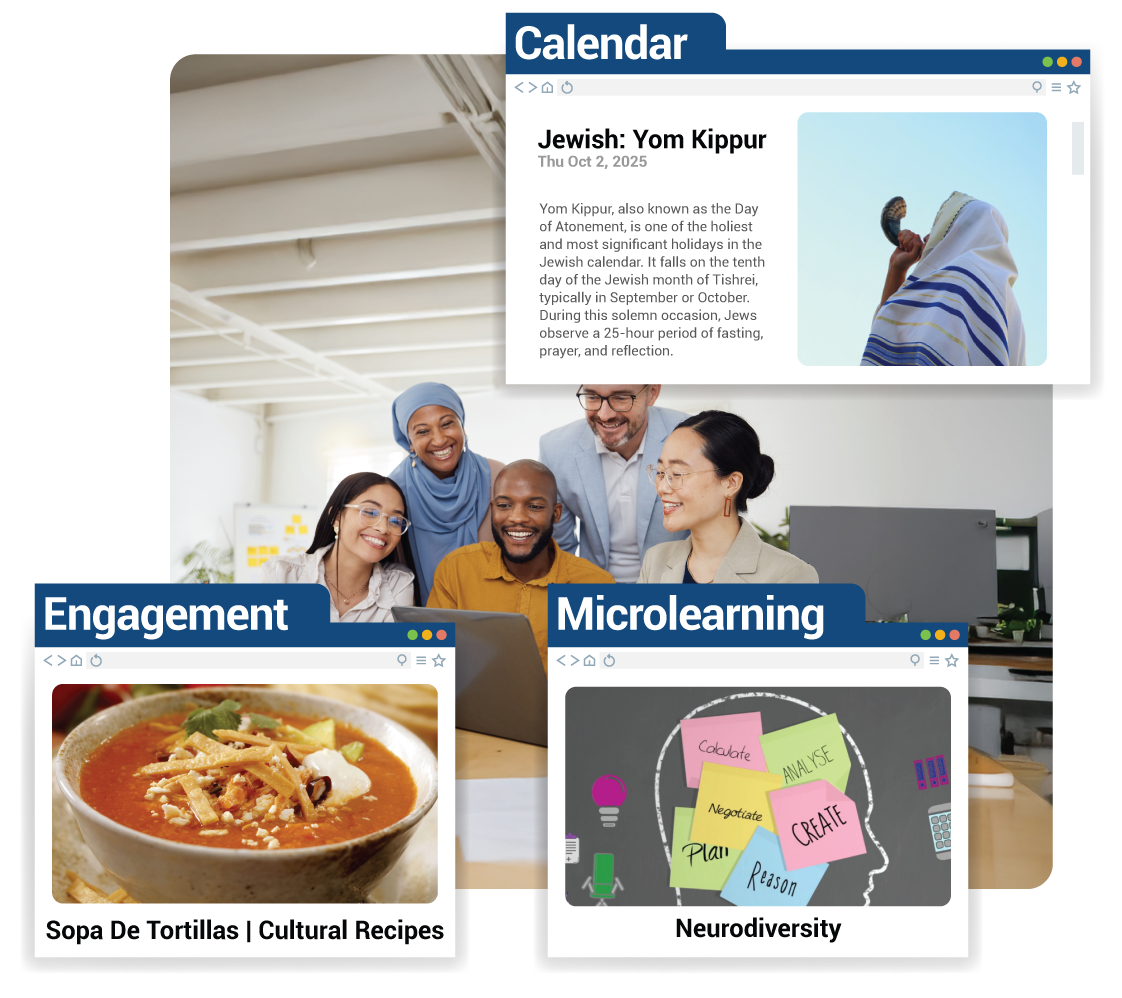
Making Inclusion Part of Everyday Leadership
Inclusion doesn’t live in a training deck. It lives in the day-to-day: how we run meetings, how we give feedback, how we make space for quieter voices.
That’s why more organizations are embedding cultural intelligence into their leadership development strategies by:
- Training managers to recognize and adapt to cultural nuances
- Creating feedback systems that include a diversity of perspectives, not just the loudest voices
- Modeling curiosity and empathy as leadership strengths
When inclusion becomes second nature, teams thrive. It’s no longer about DEI checklists; it’s about human connection.
To see how this skill is being applied in real workplace settings, check out our article on Cultural Competency Training: A Key DEI Skill.
Why Cultural Intelligence Is Essential for Global Teams
With hybrid models, international collaboration, and evolving demographics, leaders today are facing more complexity than ever. And what works in one culture may fall flat, or even offend – in another.
High cultural intelligence allows leaders to:
- Adjust their communication and leadership style for global audiences
- Navigate cultural expectations during conflict, performance reviews, and team dynamics
- Lead with respect and flexibility
The ripple effect? When leaders demonstrate inclusive behaviors, it shifts the culture company-wide.
Inclusion Is Now a Practice, Not a Project
Inclusion used to be an initiative. Now, it’s a mindset. And the companies that are thriving in 2025 are the ones that treat inclusion as part of how they operate, not just a campaign.
At the heart of this shift is cultural intelligence. It’s what turns good intentions into lasting change. It’s how we move from compliance to connection, from awareness to action and build workplaces where everyone belongs.
Want to make inclusion a daily practice? Explore how our Diversity Calendar can support your DEI goals with insights, tools, and resources for lasting impact.