


The shifting political landscape has raised questions about the future of diversity, equity, and inclusion (DEI) in the United States. With DEI facing new challenges under the current administration, some companies may feel pressured to reassess their strategies. Yet the facts remain: DEI is not only legal but continues to be a key driver of business success and profitability.
Nearly 6 in 10 Americans Still Support DEI
Despite the rhetoric, 59% Americans still favor diversity initiatives. The recent Axios Vibes/Harris Poll survey revealed that the majority — nearly 6 in 10 — oppose or are unsure about rolling back DEI programs. This includes younger generations, who strongly value workplace inclusivity and equity.
Corporations are taking note of this broad public support. Employees and customers alike expect businesses to reflect the diversity of their communities and champion equitable opportunities. Some companies, like Walmart, have even faced backlash in response to scaling back DEI programs. DEI is not a “woke agenda” – it’s a practical response to demographic realities and market demands.
DEI Drives Profits and Innovation
The business case for DEI is stronger than ever. According to the AlixPartners Disruption Index, nearly 75% of global CEOs say their DEI efforts have positively impacted their bottom lines. Leaders like JPMorgan Chase’s Jamie Dimon and executives at Apple and Goldman Sachs have doubled down on their DEI commitments, arguing that diverse teams fuel innovation, improve decision-making, and strengthen company performance.
Research consistently supports these claims. Inclusive organizations are better positioned to attract top talent, serve diverse markets, and navigate complex challenges. They foster creativity by bringing together people with different perspectives and experiences. In short, DEI is not just an ethical priority, it’s a strategic advantage.
Adapting to New Circumstances
While some companies have undergone DEI rollback initiatives due to political and legal pressure, most are adjusting their approaches rather than retreating entirely. For example:
- Refocusing Efforts: Companies are refining DEI programs to avoid legal vulnerabilities, such as replacing hiring targets with broader candidate outreach initiatives
- Rebranding Messaging: Some organizations are rethinking how they communicate about DEI to reduce the perception of partisanship while staying committed to inclusion
- Expanding Access: Many businesses are creating mentorship and leadership development programs open to all employees, emphasizing equal opportunity over quotas
Why DEI Matters More Than Ever
The recent political shift may create temporary uncertainty, but it does not diminish the long-term importance of DEI. Here’s why:
1. Employee Expectations: Today’s workforce values inclusive workplaces. A Pew Research Center survey shows that over half of employees still see DEI as a positive force in the workplace. Retaining top talent requires meeting these expectations.
2. Business Resilience: Inclusive companies are better equipped to navigate market and societal changes. By embracing diversity, they build stronger brands and more resilient teams.
3. Global Competitiveness: As globalization accelerates, companies with diverse workforces are better positioned to compete in international markets and connect with a broader customer base.
4. Legal Compliance: DEI is fully compliant with existing laws, including federal anti-discrimination regulations. While the administration may discourage certain programs, businesses can confidently maintain legal DEI initiatives that prioritize equity and inclusion.
Looking Ahead
The DEI landscape may be evolving, but its fundamental value remains unchanged. Forward-thinking companies will continue to prioritize inclusion, not just because it’s the right thing to do, but because it’s essential for long-term success.
While the rhetoric around “woke” policies may create noise, the facts speak louder: DEI drives innovation, enhances profitability, and builds stronger organizations. Adjustments may be necessary, but the commitment to building diverse, equitable, and inclusive workplaces will endure.
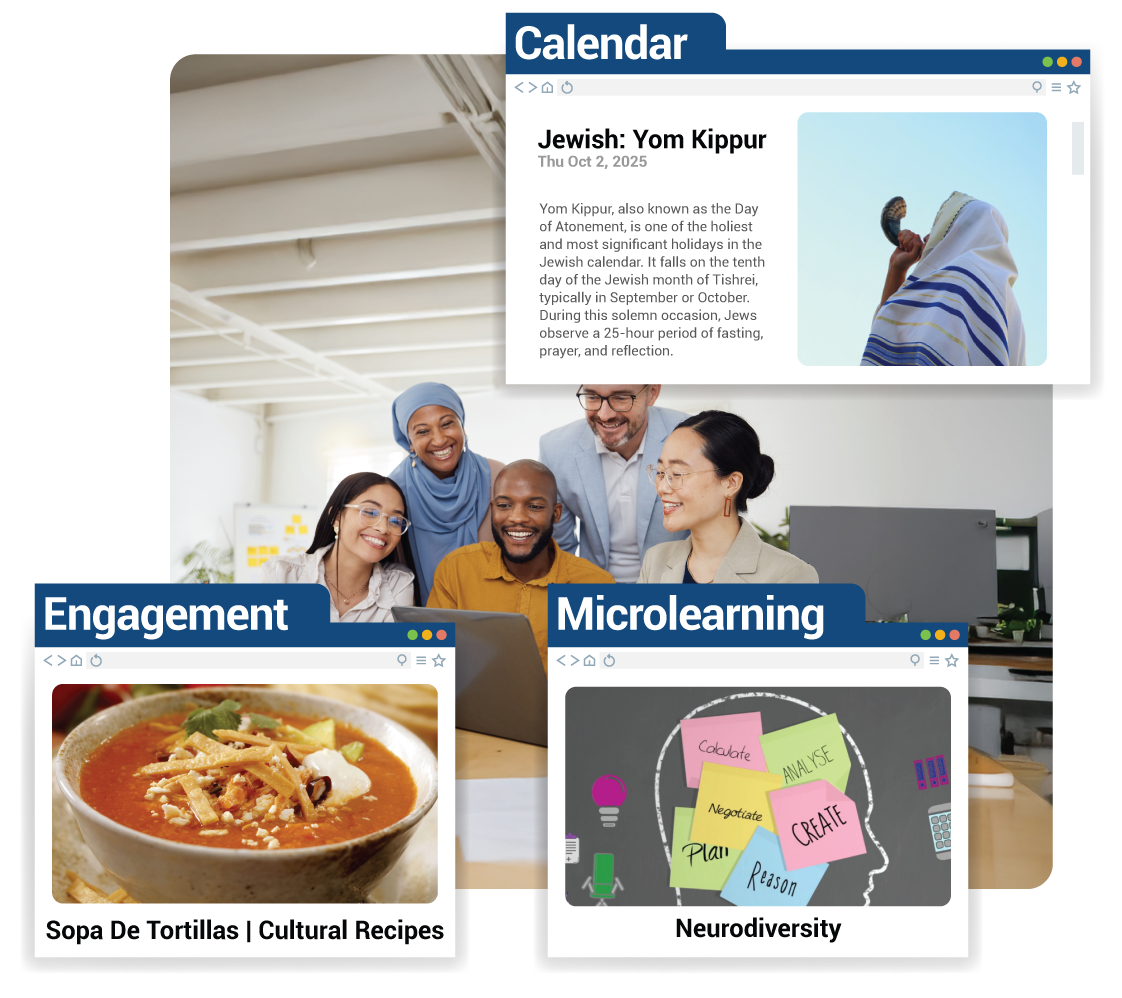
For businesses looking to navigate these challenges, the path is clear: adapt, innovate, and stay the course. DEI is here to stay, and its benefits are too significant to ignore. Our Employee Engagement Calendar can help you lead the way.
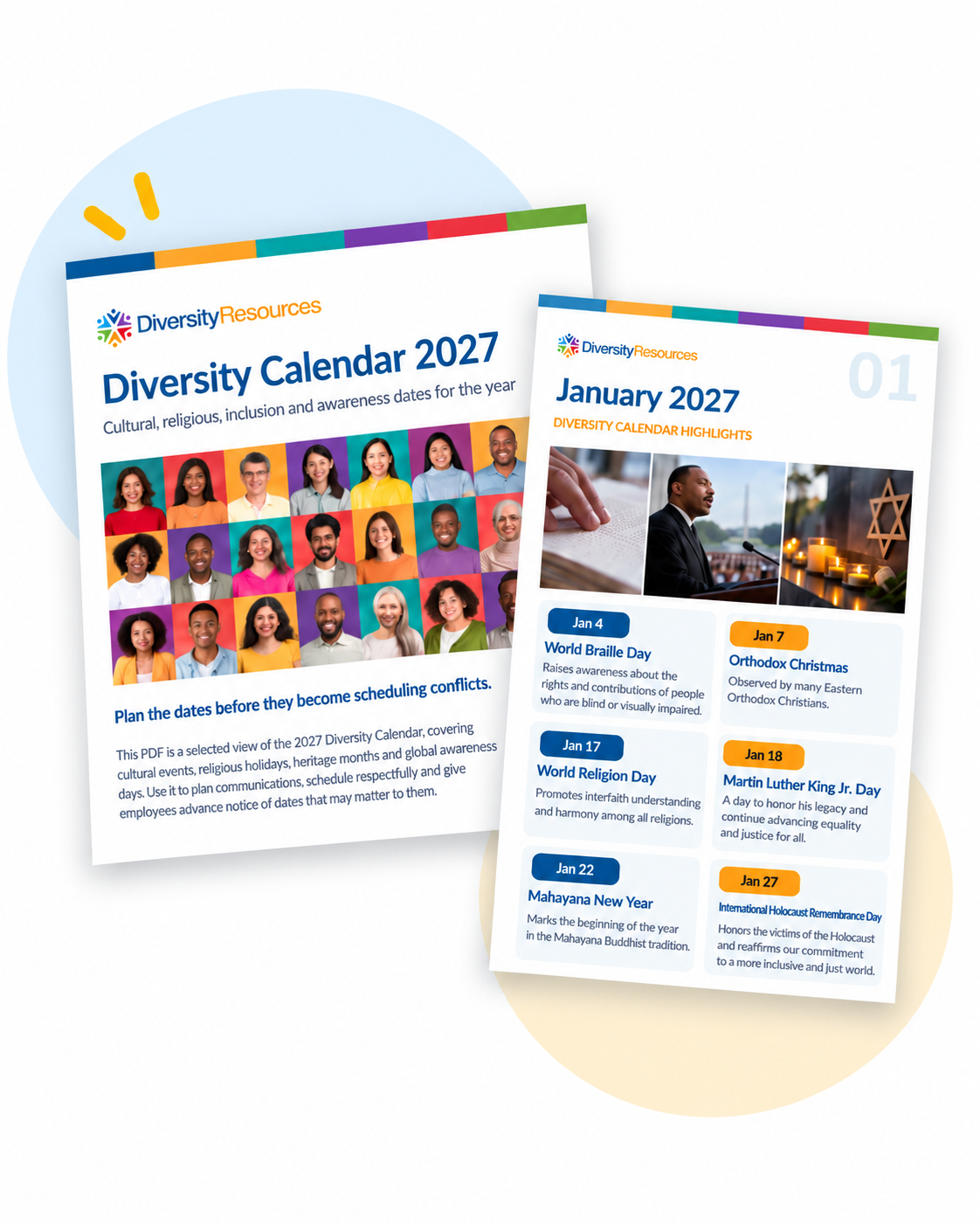

 12 months of selected dates
 Cultural + religious observances
 Heritage + awareness events