Facebook Pixel

Inclusion Fatigue: 5 Tips to Overcome It

There was a time not long ago when employee inboxes were buzzing with invites to DEI sessions, resource group events, and learning circles and people showed up. But now, many of those same employees are quietly opting out. Cameras stay off, RSVPs go unanswered, energy feels low. It’s not necessarily resistance. Often, it’s something quieter and harder to name: inclusion fatigue.

This isn’t about apathy. It’s about exhaustion.

For HR and DEI leaders, this drop in engagement can feel like the floor shifting beneath your feet. You’re doing the same or more but it’s not landing the same way. To move forward, we have to look honestly at what’s changed and why, and how to rebuild participation that feels real and relevant.

What’s Driving Inclusion Fatigue?

Inclusion fatigue isn’t a failure. It’s a signal. And understanding what it’s signaling can help us respond with care, not criticism.

1. External Tensions Are Weighing Heavy
Political unrest, polarized media, and workplace tensions around identity are creating emotional noise employees can’t tune out. For many, even thinking about inclusion feels risky or exhausting not because they don’t care, but because they’re carrying too much already.

2. Burnout is Blurring the Edges
The same people who showed up early, raised their hands, and volunteered for ERG leadership are now struggling to keep up with basic tasks. Emotional labor has limits. If your DEI champions are tired, it doesn’t mean they’ve checked out. It means they need support, not more expectations. This is often the earliest sign of inclusion fatigue setting in.

3. Mixed Messages from Leadership
When inclusion efforts don’t have visible, consistent backing from the top, employees notice. One email during Black History Month doesn’t make up for silence the rest of the year. People need to see that inclusion is a priority not just a project.

4. Performative, Not Personal
If your inclusion strategy feels templated, vague, or driven by fear of saying the wrong thing, engagement will drop. Employees can tell when something’s a checkbox, and they’re less likely to invest in something that doesn’t feel genuine or grounded in their real lives at work.

For a deeper dive into the emotional and organizational toll of inclusion fatigue, the article “The Rise of DEI Fatigue: Navigating the Challenges and Reaffirming Commitments” explores how external stressors, culture wars, and lack of leadership clarity have made even the most committed employees pull back.
Rebuilding Trust and Energy: What Actually Helps

So how do we address inclusion fatigue with honesty and action? Here are some starting points for leaders who want to reignite not just restart the conversation.

1. Stop Broadcasting, Start Listening
Hold listening sessions not town halls. Ask real questions, and give people the option to answer anonymously. What’s missing? What feels safe? What doesn’t? Use what you learn to guide your next steps, not just to check a pulse.

2. Scale Back to Go Deeper
Sometimes less is more. Instead of monthly events no one attends, focus on one meaningful moment per quarter something thoughtfully planned, co-created with employees, and tied directly to their lived experience at work. This helps prevent inclusion fatigue from compounding over time.

3. Give Inclusion a Human Face
DEI doesn’t live in policies it lives in people. Share stories from your team. Highlight the voices of resource group leads, interns, managers. Show how inclusion plays out in the everyday, not just during Pride Month or International Women’s Day.

4. Recommit at the Top Loudly and Clearly
Executives need to show up, and not just as keynote speakers. Let them host a session. Have them share a personal story. Encourage leaders to model vulnerability, curiosity, and a willingness to learn in public. That does more than any slide deck ever could and helps rebuild credibility in the face of inclusion fatigue.

5. Use Everyday Touchpoints
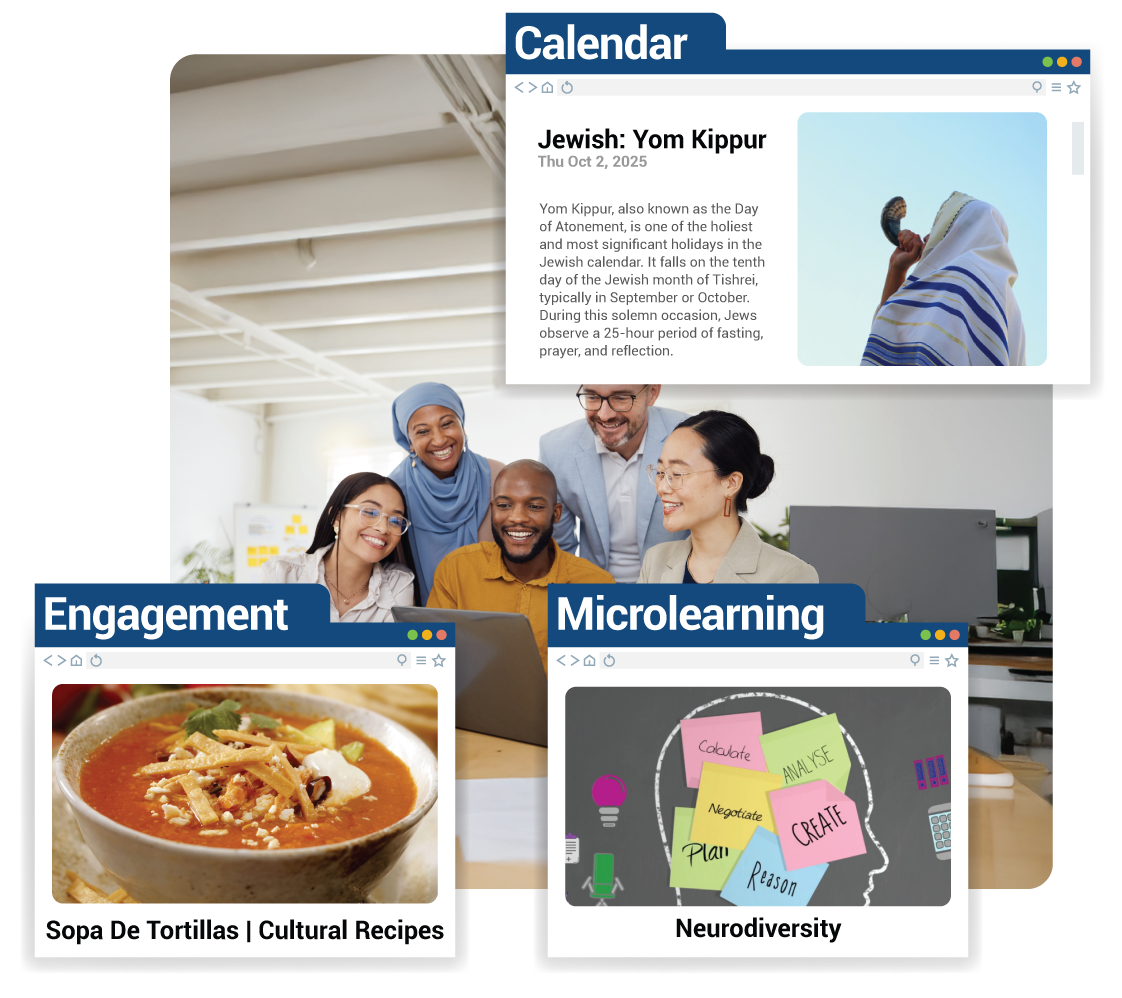
You don’t always need a new initiative. Inclusion can be embedded into weekly meetings, onboarding, 1:1s, or even shared calendar tools like the Belonging Calendar. Small, consistent moments of learning and reflection go a long way especially when the big programs feel overwhelming.

If you’re seeing participation dip, you’re not alone. This related article, How to Address Employee Disengagement Around DEI, offers more insight into the underlying causes and practical ideas for turning things around. It reinforces how inclusion fatigue can quietly undermine even the most well-intentioned efforts.

Moving Forward, Thoughtfully

Inclusion fatigue isn’t a sign to give up. It’s a reminder to slow down, recalibrate, and rebuild from a place of trust. This work isn’t about checking boxes or chasing trends it’s about creating cultures where people feel seen, safe, and connected. That takes time, and it takes care.

If your team is disengaging, don’t panic. But don’t ignore it either. Ask, listen, adapt and know that reigniting engagement is possible. Because inclusion fatigue may be real, but so is the potential for renewal.

Need help rebuilding engagement in your workplace? Explore our microlearning modules, designed to be human, honest, and built for today’s workforce.

How to Talk About Inclusion Without Saying DEI

In today’s polarized workplace climate, many HR and communication leaders are exploring how to talk about inclusion without saying DEI. The acronym, once widely embraced, has become politicized in some environments leading to confusion, skepticism, or even backlash.

Still, the values behind the term haven’t changed. Fairness, belonging, voice, and equity are more essential than ever. So how can you stay true to those values without getting stuck in the language wars?

Why It’s Time to Talk About Inclusion Without Saying DEI

If your efforts are being misunderstood simply because of the label, it’s time to shift the frame not the mission. Learning how to talk about inclusion without saying DEI allows you to speak more directly about outcomes, values, and employee experiences.

Instead of labeling programs as “DEI,” describe what they actually do:

  • Are you improving hiring practices? Talk about fair and inclusive recruitment
  • Are you reviewing promotion processes? Focus on clarity and consistency.
  • Are you building a more connected culture? Emphasize voice, safety, and engagement

Everyday Language That Helps You Talk About Inclusion Without Saying DEI

Many organizations are dropping corporate jargon in favor of clearer, values-driven terms. Try these natural shifts in phrasing:

  • DEI training → Respectful workplace learning
  • Equity audits → Fairness reviews
  • Inclusion strategy → Culture and belonging roadmap
  • DEI metrics → Workplace experience insights

These shifts help teams talk about inclusion without saying DEI, using language that feels accessible and aligned with real outcomes.

Lead by Example: Ways to Promote Inclusion Without Saying DEI

Some of the most inclusive organizations rarely say “DEI” at all. They focus instead on:

  • Listening to employee feedback and acting on it
  • Ensuring consistency in how people are hired, evaluated, and promoted
  • Celebrating different cultures and voices year-round
  • Creating space for people to be seen and heard

These are the outcomes people actually care about. And when you talk about inclusion without saying DEI, you invite broader support across your organization.

Despite the current political climate, a recent report shows that 98% of shareholders voted against anti-DEI proposals. That signals continued support for the core values behind the acronym even if the terminology is evolving.

Culture Over Campaigns: Embed Inclusion in the Everyday

Embedding these practices into everyday habits is a powerful way to talk about inclusion without saying DEI because it becomes less about labels and more about behavior.

From onboarding to communication norms to leadership tone, inclusion is most effective when it’s normalized, not branded. It’s not about making statements it’s about creating systems that support fairness, belonging, and voice for everyone.

If you’re facing pressure to step away from the DEI label, you don’t have to abandon the work. You just need to evolve how you describe it.

Want to embrace daily belonging? Try out our Belonging Calendar.

Response Plan for Workplace Discrimination and ICE Raids

When discrimination, ICE raids, or politically motivated threats affect the workplace, having a clear response plan isn’t optional. A well-prepared response plan for workplace discrimination and ICE raids ensures employee safety, trust, and leadership accountability.

This guide outlines how to build an internal plan that protects your team, reflects your values, and ensures your organization responds with clarity and care.

Start with Your Values When Planning for Discrimination and Raids

Every response plan starts with intention. Ask yourself: Are we planning out of fear or from a place of care?

This isn’t about legal defense. It’s about showing employees that your commitment to inclusion doesn’t disappear when things get hard. 

Clarify:

  • Who might be most vulnerable in our workplace?
  • What real risks might they face legal, emotional, reputational?
  • How do we ensure our plan protects, not just performs?

Prepare Messaging as Part of Your Response Plan

You don’t need to guess what will happen but you do need clear templates for when it does.

Prepare communications for:

  • Reports of discrimination or harassment
  • News of nearby ICE activity
  • Acts of political or identity-based violence

Each message should include:

  • Acknowledgment of the situation
  • Direct and supportive language
  • Clear next steps and point-of-contact
  • When and how updates will be shared

Support Protocol for Workplace Discrimination and ICE Raids

Your people need more than a public statement they need tangible support systems.

Include:

  • Access to mental health resources with cultural/language competency
  • Emergency paid time off
  • Temporary work-from-home or relocation options
  • Direct manager check-ins with empathy, not just policy reminders

Reinforce the response plan for workplace discrimination and ICE raids by making support easy to access and low-barrier.

Legal Response Plan for Discrimination and ICE Raids

Legal preparation ensures your team knows their rights and responsibilities without hesitation.

Clarify:

  • What to do if ICE arrives
  • What employee information is protected
  • Anti-discrimination laws in your jurisdiction
  • A process for confidential internal reporting

Work with legal counsel to create an internal FAQ and escalation tree. Train all managers on these protocols.

Establish Relationships with External Partners

Partnering with local organizations gives you a wider net of support and expertise.

Build pre-existing connections with:

  • Immigrant rights nonprofits
  • Local legal clinics
  • Crisis response professionals
  • Cultural or faith-based community groups

These partners can co-lead trainings or offer services when you activate your response plan for workplace discrimination and ICE raids.

Ensure Leadership Is Ready to Act

A plan means nothing if leadership freezes when it matters.

Train leaders in:

  • Crisis communication and media readiness
  • Clarity around company values
  • Decision-making under pressure
  • How to communicate with vulnerability and authority

Practice simulations and assign clear roles ahead of time. Consistent leadership builds trust before, during, and after the crisis.

Final Thought: Preparation Is a Form of Leadership

Creating a response plan isn’t about overreacting. It’s about demonstrating responsibility, foresight, and care. When organizations prepare in advance, they create safer, more resilient workplaces where trust can grow even in difficult moments.

An effective response plan for workplace discrimination and ICE raids signals to employees: You matter. We’re prepared. And we’ll stand with you when it counts.

This isn’t just a policy it’s leadership in action.

Fear at Work: 5 Ways to Support Your Employees

Fear at work is often silent, but its impact is visible. You can sense it in the break room, in the hesitations during meetings, and in the unread Slack messages. It’s not always loud but for many, it’s always there.

For employees across the U.S. especially immigrants, religious minorities, and other marginalized groups fear at work has become a daily experience. With the rise in ICE activity, hate crimes, and political unrest, many individuals are navigating stress and anxiety far beyond the scope of their job descriptions. HR and DEI leaders can’t fix the world outside, but they can create safety within.

Leadership plays a critical role in making the workplace a refuge not a reflection of societal harm. And that begins by recognizing how fear at work shows up.

Recognizing the Signs of Fear at Work

Fear doesn’t always announce itself clearly. Instead, it manifests in subtle shifts and patterns that are easy to misread.

  • Silence in meetings: When employees no longer feel safe contributing
  • Disengagement: Not from disinterest, but from emotional exhaustion
  • Absenteeism or presenteeism: Either avoiding work or showing up in body, not mind
  • Hypervigilance: A sense of being watched, judged, or “on alert” at all times

These signs aren’t random they’re often responses to external pressures employees carry with them into the workplace. As detailed in this article on disengagement, fear, uncertainty, and lack of psychological safety are major drivers of employee withdrawal. Many leaders underestimate how deeply fear at work can affect engagement and retention.

What HR and DEI Leaders Can Do to Address Fear at Work

Even when the outside world feels unsteady, leaders can build a more stable and caring internal culture. Here’s how.

1. Reaffirm Your Values and Make Them Visible
Employees don’t just need mission statements. They need to feel your values in action.

  • Share clear messages from leadership reinforcing inclusion and safety
  • Be specific: name what your company stands against and who you stand with
  • Invite questions and feedback to build trust

The clearer the message, the safer the space.

2. Offer Mental Health Resources That Reflect Your Workforce
Fear at work is emotionally taxing. Organizations must respond with care.

  • Partner with therapists from diverse backgrounds
  • Promote your EAP clearly and without stigma
  • Offer mental health days or flexible scheduling during difficult periods

Psychological support should feel normal not like a last resort. Addressing fear at work means actively listening, not just reacting.

3. Create Quiet Zones for Relief and Reflection
Sometimes, healing doesn’t need a conversation. It just needs a quiet room.

  • Set aside a peaceful, neutral space in your workplace
  • Ensure it’s open to all for prayer, reflection, or emotional recovery
  • Normalize its use as part of a healthy work environment

Creating intentional spaces helps reduce fear at work by giving employees a moment to breathe and regroup.

4. Update Policies to Reflect Today’s Realities

Outdated policies can leave employees exposed to modern threats.

  • Clarify your response protocol if law enforcement or ICE shows up
  • Review anti-discrimination policies and expand protections
  • Train managers to respond with empathy when fear or trauma is present

Updating your policies proactively is one way to show employees you take fear at work seriously not just when it’s visible.

5. Center Listening in Your Culture
Fear at work thrives in silence. Break it by listening.

  • Host optional listening sessions to surface concerns
  • Provide anonymous tools for employees to express how they feel
  • Respond to feedback not defensively, but with action

Trust builds slowly. Listening is the first step.

Creating a Refuge from Fear at Work

The reality is: many employees can’t leave their fear at the door. But with the right leadership, the workplace doesn’t have to add to the weight. It can offer relief, clarity, and a sense of belonging.

When fear at work becomes normalized, employees begin to withdraw quietly. That’s when culture starts to break down.

Addressing fear at work isn’t just about being reactive it’s about leading proactively, with empathy and accountability. The world may be unpredictable, but the workplace can be a source of steady ground.

At Diversity Resources, we’re here to support you. From inclusive training to practical tools for building belonging, we help organizations create spaces where everyone feels safe, seen, and supported.

Gen Z and DEI: The Challenge No One Saw Coming

There’s a lot of talk about Gen Z being the most progressive and inclusive generation to enter the workforce. However, the reality is more complex. Gen Z and DEI are not always aligned. While this generation cares deeply about equity and belonging, many of them call out performative efforts, outdated frameworks, and strategies that resemble PR more than progress. This generation is not resisting for the sake of it. They are demanding evolution.

Why Gen Z and DEI Demand Radical Transparency

Trust no longer comes from titles or years of service. It grows from evidence. Gen Z expects full transparency about pay equity, promotion practices, leadership demographics, and how DEI goals are being fulfilled.

When companies stay silent, Gen Z looks elsewhere. Platforms like Glassdoor, Reddit, and TikTok are full of stories where former employees expose inconsistencies. As a result, organizations that choose honesty and accountability gain more than just attention. They earn real trust. In this way, Gen Z and DEI stay connected through shared expectations for openness and truth.

Gen Z Doesn’t Want the Buzzwords – They Want the Blueprint

Many companies have leaned on inclusive statements, branded campaigns, and DEI checklists. In contrast, Gen Z looks for evidence of real change. Raised on digital platforms and exposed to global movements, they are not impressed by slogans. They want action, not talk.

To create true alignment between Gen Z and DEI, there must be substance. These employees look for measurable goals, consistent representation, and structural change. A heritage month celebration is nice. Without meaningful policies behind it, though, the gesture feels empty.

How Gen Z and DEI Expectations Are Shaped by Digital Fluency

Gen Z grew up with social media, where justice movements, protests, and cultural shifts played out in real time. This digital exposure makes them more attuned to social issues and more likely to expect their employers to stay engaged and responsive.

They quickly notice when companies remain silent during cultural moments. A lack of representation in leadership catches their eye. Many also question DEI councils that operate without funding or decision-making power. Gen Z and DEI expectations continue to rise together, shaped by speed, visibility, and online accountability.

Intersectionality Is Their Lens

Unlike past generations, Gen Z views identity through an intersectional lens. Race, gender, neurodiversity, sexuality, disability, and background all matter simultaneously. As a result, they expect workplace inclusion to reflect that complexity.

Successful DEI work must be layered and ongoing. Gen Z looks for mental health policies that consider culture. Flexible work environments that support neurodivergent employees matter to them. They value strategies that address real inequities and not just surface representation.

What This Means for HR and DEI Leaders

The connection between Gen Z and DEI is reshaping how inclusion works. This generation isn’t just asking for a seat at the table. They are questioning who built the table, why some were excluded, and how to make things better.

HR and DEI leaders must move from symbolic gestures to human-centered strategies. Organizations that want to stay relevant need to evolve their approach to Gen Z and DEI with clarity, consistency, and bold leadership.

In the eyes of Gen Z, talking about diversity is no longer enough. The real question is what you are ready to change.

Want to make inclusion part of your everyday operations? Discover how our Belonging Calendar can help you embed belonging into your culture with actionable tools, insights, and resources for real impact.

Learn the Difference Between Race and Ethnicity

Race and ethnicity are common ways to categorize humans, but they are often misunderstood as most people don’t always fit neatly into these specific categories. Race is typically defined as a category of people who share similar physical characteristics.  However, this definition doesn’t always hold true, as many people may have similar skin colors or hair textures, but they identify as different races entirely. Ethnicity, on the other hand, goes beyond physical characteristics and includes shared cultural practices, language, heritage, and history.

Defining Race and Ethnicity

Race refers to dividing people into groups based on their physical appearance, while ethnicity refers to the identification of people from different geographic regions, including their religion, language, and other customs. Generally, race is something that you inherit as an identity, while ethnicity is something that you learn over time. For example, someone may identify as Black in terms of race but as Italian in terms of ethnicity.

Race Categories

Some of the most common race categories in the US are explained below. The terms used are the legal terms.

White

This category includes individuals who identify with one or more ethnic groups originating from Europe, North Africa, or the Middle East. Some examples of these groups include Irish, English, Polish, German, Egyptian, Lebanese, and Italian.

Black / African American

This includes everyone who identifies with one or more nationalities originating from a Black racial group. Examples include Haitian, Jamaican, Nigerian, Kenyan, South African, Ghanaian, or Ethiopian.

American Indian or Alaska Native

This category includes all who identify with any original people of North, Central, or South America and maintain tribal affiliations. Some examples include the Blackfeet Tribe, Cherokee, Nome Eskimo Community, Navajo Nation, and Mayan.

Asian

People who identify as one or more ethnic groups originating from the Indian subcontinent, Southeast Asia, or the Far East. This includes Japanese, Chinese, Korean, Indian, or Pakistani.

Native Hawaiian and Pacific Islander

This category is for people who identify with ethnic groups originating in Samoa, Pacific Islands, Hawaii, or Guam. Examples include Chamorro, Tongan, Fijian, Marshallese, Samoan, or Native Hawaiian.

Hispanic, Latino, or Spanish

This category is for those who originate from Cuba, Puerto Rico, Mexico, or other Spanish cultures like Venezuelan, Colombian, Guatemalan, Dominican, or Spaniard.

Two or More Races

This is for those who have mixed ancestry of two or more races. This can include any of the races mentioned above as well as Creole, Metis American, Hapas, Melungeons, and Native Americans who identify as full members of recognized tribes.

Some Other Race

When someone doesn’t identify with any of the above groups, they can choose “Some Other Race” and input how they identify themselves.

Not All People Fit in These Categories

Many people identify with multiple racial and ethnic backgrounds due to factors like being raised by parents from different groups or simply not wanting to pick one single group entirely.

Understanding the Impact and Legal Terminology

When it comes to race and ethnicity, the way they are used in different areas of life, like social interactions, employment, education, and policymaking, carries significant implications. We must prioritize promoting diversity, equity, and inclusion while actively challenging stereotypes and discrimination associated with these categories.

Additionally, it’s essential to be aware that certain legal terminologies related to specific races have evolved over time, and some may not be as inclusive or appropriate as they should be. Take, for example, the term “American Indian,” which is now considered outdated and incorrect. Staying updated on appropriate language helps us show respect and consideration for diverse communities.

Final Thoughts

Regardless of these categories, the human genome project says that we are much more alike than we are different. Our DNA is about 99.9% the same, with that 1% or less accounting for the differences between us. This is a major reason why we should celebrate the differences of those around us while taking time to understand and appreciate different cultures.

To learn more about important diversity topics, visit our 2025 Diversity calendar for multicultural events.

FAQs

How do you classify race and ethnicity?

Race is typically classified into several categories in the US census: American Indian or Alaska Native, Asian, Black/African American, Hispanic/Latino, Native Hawaiian or Pacific Islander, White, or Two or More Races. Ethnicity refers to a group of people with a shared history. Some examples include Irish, Italians, Poles, Scottish, Puerto Ricans, and Filipinos.

What is an example of ethnicity?

Ethnicity refers to a group of people who share a common culture. It is sometimes associated with their national origin. For example, someone may be Asian, but ethnically Vietnamese. Many countries have their own recognized ethnic groups like in China where there are 56, including the Mongols.

What defines ethnicity?

Ethnicity is the social group that someone belongs to and identifies with according to a language, religion, ancestry, or even physical features associated with their self-identified race. Ethnicity has continued to change over time, especially since many people may want to identify themselves with more than just one ethnic group. Ethnicity is different from country of origin as many countries have more than just one ethnic group.

What Employee Surveys Still Miss About Inclusion in 2025

Employee surveys remain a core tool in HR and DEI strategy. They offer measurable data, identify areas for improvement, and give employees a structured way to share their voice. But in 2025, as organizations claim to prioritize belonging and equity, we have to ask: What are we still not hearing?

Despite their value, traditional employee engagement surveys often fall short when it comes to capturing the full picture of inclusion. They tell us what’s happening at the surface level but not always what’s happening underneath.

What the Numbers Miss About Inclusion

Employee surveys are great at collecting responses. But inclusion isn’t always about what’s said. It’s also about what’s left unsaid. A high engagement score might mask deep disparities between identity groups. A positive average response might come from a loud majority, while marginalized employees stay silent or skip the survey altogether.

A recent report by Visier highlights this issue. Nearly half of employees withhold honest feedback due to fear of consequences or lack of trust in leadership, making survey data far less reliable than it appears.

If your survey data isn’t disaggregated by race, gender, ability, and other dimensions of identity, it’s easy to miss critical patterns. Who’s opting out of the survey? Who’s consistently more dissatisfied, and why? These gaps often point to structural issues that the numbers alone can’t explain.

Why Employee Surveys Overlook Lived Experience

Inclusion isn’t just about whether someone feels engaged. It’s about whether they feel safe, seen, and valued. Standard survey questions no matter how well-intentioned can fail to surface experiences of subtle bias, microaggressions, or isolation. These moments often live in the gray areas of workplace culture where they’re hard to quantify but deeply felt.

An employee may score satisfied on most metrics but still feel they’re being passed over for opportunities. Another might say they feel respected but privately avoid team meetings because their ideas aren’t heard. These lived experiences rarely show up in a traditional employee engagement survey.

How to Read Between the Lines of an Employee Survey

To understand inclusion more deeply, HR and DEI teams need to become better listeners. That means going beyond survey results and paying attention to:

  • Patterns of silence: Who isn’t responding to the survey? Who drops off halfway through?
  • Disaggregated data: Are some groups consistently scoring lower on belonging or safety?
  • Open-ended feedback: Are there recurring themes in the comments that hint at exclusion?
  • Inconsistent engagement: Do some teams or departments engage more than others?

These signals often reveal more than any multiple-choice response.

A deeper look at employee disengagement around DEI can also shed light on how and why employees become disconnected from inclusion efforts and what leaders can do to rebuild trust.

Beyond Employee Surveys: Inclusive Listening That Works

To bridge the gap, HR and DEI leaders need to complement employee surveys with more inclusive, human-centered approaches. A few strategies:

  • Facilitated listening sessions where people can share experiences in a supportive space
  • Pulse surveys tailored to identity groups to ask questions that speak directly to experiences of bias or exclusion
  • Anonymous voice notes or journaling tools that allow employees to express themselves in their own way
  • Training managers to read between the lines so they can notice signs of disengagement early

The goal isn’t to replace employee surveys. It’s to evolve how we use them.

Redefining Leadership by Listening Beyond the Survey

Employee surveys will always be part of how we understand workplace culture. But inclusion doesn’t live in the averages. It lives in the quiet patterns the inconsistent data and the lived experiences that don’t fit a checkbox.

If we’re serious about creating workplaces where everyone can thrive we have to listen beyond what’s easy to measure. The future of inclusion will be built on stories trust and the courage to ask better questions not just on numbers.

Want to make inclusion part of your everyday operations? Discover how our Belonging Calendar can help you embed belonging into your culture with actionable tools, insights, and resources for real impact.

Corporate Sponsorship DEI: Lessons from Indy Pride

This year, Indy Pride expanded to an unprecedented two-day event, showcasing resilience, determination, and a clear message: the community thrives even when faced with challenges. Interestingly, this expansion coincided with some corporate sponsors stepping away due to national shifts and DEI rollbacks. This raises critical questions for HR, comms, and DEI professionals: What exactly is the evolving role of corporate sponsorship DEI, and how can organizations remain authentically supportive even when it’s challenging?

Indy Pride: A Case Study in Corporate Sponsorship DEI

The experience of Indy Pride 2025 is particularly instructive. Amidst national pushback against DEI initiatives, several corporations decided to withdraw their support, perhaps fearing backlash or controversy. However, the local community’s unwavering support allowed Indy Pride not only to continue but to expand, proving that genuine inclusion is driven by community engagement and sincere commitment rather than corporate convenience. This year’s event symbolized the resilience of DEI efforts even in uncertain times.

Rethinking Corporate Sponsorship DEI Strategies

The Indy Pride story sheds light on how corporate sponsorship DEI has often been viewed as transactional companies supporting DEI initiatives to enhance their brand image or meet CSR goals. But DEI goes beyond optics. Authentic sponsorship is about long-term commitments, standing firm even when it’s unpopular or difficult.

This shift requires businesses to consider the deeper values behind their DEI strategies. Genuine corporate sponsorship DEI should:

Focus on Authenticity:
Organizations need to align their DEI sponsorship with core values and demonstrate consistency. Performative support risks more damage than benefit. Companies must ask themselves, “Why are we sponsoring this event or initiative, and how does it align with who we genuinely are?”

Support Beyond Funding:
True corporate sponsorship involves actively advocating for DEI within company culture and public platforms, even amidst controversy. This might mean educating stakeholders, employees, and even customers on why inclusion matters.

Engage Community Leaders:
Corporations should form partnerships based on listening and collaboration with the communities they aim to support. Genuine dialogue fosters trust and enables meaningful and lasting relationships.

Navigating Internal and External Pressures

DEI and communications professionals often face pressure from both within and outside their organizations, especially when DEI becomes politicized. Authentic corporate sponsorship DEI requires courage. Leadership must be willing to withstand criticism and clearly communicate the company’s commitment internally and externally. Transparency about intentions, motivations, and anticipated outcomes strengthens credibility and fosters deeper trust with both employees and the broader community.

Lessons Learned and Moving Forward with Corporate Sponsorship DEI

The Indy Pride event offers essential lessons for corporate leaders. Meaningful engagement in DEI transcends temporary cultural or political shifts. When corporations step back in uncertain times, they risk signaling insincerity and damaging long-term trust.

Ultimately, authentic corporate sponsorship DEI is rooted in steadfast support, transparent communication, and active engagement even and especially when it’s not the easiest path. Indy Pride’s continued success demonstrates the power of community-driven resilience, reminding corporations that genuine support for DEI isn’t about convenience but about unwavering commitment.

Want to make inclusion part of your everyday operations? Discover how our Belonging Calendar can help you embed belonging into your culture with actionable tools, insights, and resources for real impact.

DEI in Executive Education: Global Schools Set the Standard

As DEI programs face political resistance in the U.S., international business schools are heading in a different direction. They are reinforcing DEI in executive education to develop inclusive leaders for a global economy. Schools like POLIMI, HEC Paris, and Vlerick Business School are leading this shift.

For HR and L&D leaders, this trend signals where leadership training is going next.

POLIMI Uses Design Thinking to Promote DEI in Executive Education

At POLIMI Graduate School of Management in Milan, DEI is more than a topic. It’s part of how leaders are taught to solve problems. The school offers programs like “Ambassador in Inclusivity Design.” These courses train executives to create solutions for real-world social challenges. They focus on groups often overlooked such as older adults, women, children, and people with disabilities.

Read more on how Europe is taking the lead on DEI

HEC Paris Puts DEI at the Core of Leadership Training

HEC Paris treats inclusive leadership as a core business skill. Its course “Inclusive Leader in a Diverse World” gives executives tools to lead diverse teams. Faculty encourage participants to see DEI as part of long-term value creation.

Barbara Stöttinger, HEC’s executive education dean, says DEI is essential for compliance, innovation, and talent attraction. She also warns that dropping DEI can hurt a company’s brand in global markets.

Vlerick Business School Models DEI from the Inside Out

At Vlerick in Belgium, DEI in executive education starts internally. The school works to build inclusive policies and practices within its own structure. Then it brings that model into the classroom. Vlerick trains business leaders to recognize bias, challenge assumptions, and lead diverse teams with confidence.

This approach is about real change, not just checkboxes.

Why HR and L&D Leaders Should Care About DEI in Executive Education

DEI in executive education isn’t about politics. It’s about preparing leaders to succeed in real-world environments. Diverse teams solve problems faster. Inclusive cultures attract better talent. And global businesses need leaders who can navigate difference with confidence.

Investing in inclusive executive education is an investment in long-term performance. Business schools around the world recognize this, and they’re acting on it to build inclusive, future-ready leadership.

Want to make inclusion part of your everyday operations? Discover how our Belonging Calendar can help you embed belonging into your culture with actionable tools, insights, and resources for real impact.

Why Disability Inclusion Still Lags And What to Do About It

For all the talk about inclusive workplaces in recent years, disability inclusion still doesn’t get the attention it deserves. While many companies have made progress around race, gender, and LGBTQ+ inclusion, people with disabilities are still too often left out of the conversation. And that’s a problem. Not just because it’s unjust, but because it’s a missed opportunity to build truly diverse, innovative, and human-centered workplaces.

So why is disability inclusion still stuck in the slow lane? And what can DEI and HR leaders do about it?

When Inclusion Feels Like a Legal Obligation

One of the biggest reasons disability inclusion lags is that many organizations stop at compliance. They check the legal boxes, install a ramp, adjust a workstation, maybe caption a video, and call it inclusion.

But accessibility is only the beginning. True disability inclusion means rethinking how we design jobs, communicate expectations, run meetings, and evaluate performance. It means proactively removing barriers before someone has to ask. And it means viewing disability not as a limitation to accommodate, but as a dimension of diversity to include, value, and embrace.

Many of these issues echo broader concerns about surface-level diversity efforts. As discussed in Combating Tokenism in the Workplace, inclusion must go deeper than appearances or checkbox exercises.

Hiring Practices That Undermine Disability Access

Let’s be honest. Bias shows up early. Job descriptions are filled with unnecessary physical requirements. Application systems aren’t always screen-reader friendly. Interviewers may make assumptions based on visible or disclosed disabilities, or may never see qualified candidates at all because those candidates opted out long before the final round.

If we want disability inclusion to take root, we need to build hiring processes that don’t just allow disabled candidates, but welcome and seek them out.

Why Representation at the Top Still Matters

Despite 1 in 4 adults in the U.S. living with a disability, you’d never know it from looking at the leadership page of most companies. Employees with disabilities are dramatically underrepresented in management and decision-making roles, and when disability is visible, stigma often follows.

Without representation, inclusion feels abstract. And without disabled voices in positions of power, many of the most impactful changes never get prioritized. Inclusion isn’t just about access. It’s about influence.

Creating a Culture That Supports Inclusion for All Abilities

Even well-meaning workplaces can make employees with disabilities feel like outsiders. When the unspoken norm is to “power through” instead of asking for support, or when flexibility is framed as a perk rather than a right, the message is clear. This culture wasn’t built with you in mind.

That culture shift toward empathy, flexibility, and trust is where real disability inclusion happens. It’s in managers who understand that disability can be visible or invisible. It’s in team norms that value pacing, quiet, and options. And it’s in the everyday moments where people don’t have to choose between fitting in and being themselves.

What Organizations Can Do to Strengthen Disability Inclusion

If you’re reading this and realizing your organization hasn’t prioritized disability inclusion as much as it could, you’re not alone. But you are in a position to change that. Here’s where to start:

  • Audit your hiring processes. Make sure they’re accessible, inclusive, and bias-aware from start to finish.
  • Invest in training, real training. Not just what the ADA says, but how to lead inclusively, respond with empathy, and design accessible experiences for all.
  • Go beyond accommodations. Proactively create flexible policies and practices that work for a range of needs.
  • Elevate disabled voices. Bring people with lived experience into leadership, storytelling, and strategy decisions.
  • Track your progress. What gets measured gets improved, so include disability inclusion in your DEI data.

Disability Inclusion Is Not Optional

Inclusion that leaves people out isn’t inclusion at all. If we want to build workplaces where everyone can thrive, disability inclusion can’t be an afterthought. It has to be part of the foundation.

And the good news? The most inclusive workplaces don’t just comply with the law. They reflect the full spectrum of human experience. That’s what makes them stronger. Let’s stop lagging. Let’s lead.

Want to make inclusion part of your everyday operations? Discover how our Belonging Calendar can help you embed belonging into your culture with actionable tools, insights, and resources for real impact.

How to Overcome Stereotypes in Your Organization

Knowing how to overcome stereotypes in your organization is essential for building a truly inclusive workplace. Stereotypes about race, gender, age, disability, or background often affect who gets heard, who gets hired, and who gets promoted. And while raising awareness is a start, it’s not enough.

The solution lies in sustained, intentional action. By focusing on communication, training, and structural change, you can go beyond surface-level efforts and create meaningful, lasting impact.

Start by Naming the Stereotypes

Stereotypes thrive in silence. That’s why the first step in learning how to overcome stereotypes is to name them. This is not about blaming individuals but about recognizing patterns.

Take a closer look at performance reviews. Are women being praised for being “collaborative” while men are described as “taking charge”? Do older employees miss out on training opportunities? Are cultural expressions unfairly shaping perceptions of professionalism? Identifying these patterns is essential to breaking them.

Train Beyond the Basics to Overcome Stereotypes

Unconscious bias training is a common first step. However, a one-time session won’t shift deeply ingrained habits.

Instead, offer continuous learning experiences that challenge bias in real time. For example, microlearning, peer discussions, and real-life scenarios allow employees to reflect on their actions without fear or shame.

More importantly, focus on practical takeaways. Teach people to pause and check their assumptions when assigning tasks, giving feedback, or making hiring decisions. A long-term approach to training helps normalize inclusive habits and disrupt old patterns of thinking.

Build Systems That Help You Overcome Stereotypes

Even the most well-intentioned teams have blind spots. That’s why building systems that reduce the influence of bias is key.

  • Standardize hiring and promotion processes
  • Use structured interviews and diverse hiring panels
  • Monitor performance review trends to detect bias
  • Provide transparent development paths that everyone can access

By embedding fairness into your operations, you remove the need to rely on individual awareness alone. As a result, you foster equity at scale.

Encourage Dialogue, Not Just Awareness

To truly overcome stereotypes, your team needs safe spaces for open and honest conversations. This doesn’t mean every discussion needs to be uncomfortable. Rather, it means creating a culture where people can speak up and feel heard.

For instance, employee resource groups (ERGs), listening sessions, and anonymous feedback channels all help normalize honest dialogue. But these tools must be followed by action.

To better understand how performative efforts can unintentionally reinforce stereotypes, read Combating Tokenism in the Workplace. It highlights the importance of trust and authenticity in inclusion efforts.

Lead by Example: Leadership Must Overcome Stereotypes Too

Leaders play a critical role in shaping inclusive cultures. Their actions speak louder than any training session.

They should participate in learning, speak openly about their growth, and sponsor employees from underrepresented backgrounds. This kind of leadership sends a powerful message about your organization’s values and its commitment to overcoming stereotypes.

When inclusive behavior is modeled from the top, it becomes part of the company’s DNA.

Reevaluate and Adapt How You Overcome Stereotypes

Bias can evolve. What seemed inclusive five years ago may fall short today. That’s why the work of overcoming stereotypes must be ongoing.

Revisit your policies, review internal data, and ask your people what’s working and what’s not. Use feedback as fuel for change. For this reason, organizations that remain flexible and self-aware tend to build the most resilient and inclusive cultures.

How to Overcome Stereotypes: Make it Part of the Culture

Ultimately, how to overcome stereotypes is not about checking a box. It’s about building a workplace where fairness and respect are woven into everyday interactions.

This journey takes intention, humility, and consistency. But the result is worth it: a culture where everyone feels seen, valued, and free to grow.

Want to make inclusion part of your everyday operations? Discover how our Belonging Calendar can help you embed belonging into your culture with actionable tools, insights, and resources for real impact.

Performative Allyship in 2026: How to Avoid It

Since 2020, allyship in the workplace has shifted from a public declaration to a daily expectation. While posting a black square or issuing a solidarity statement may have felt impactful in the early days of corporate DEI, today’s employees are demanding more than words. They’re asking for action, and they can spot performative allyship from a mile away.

So what does performative allyship actually look like in 2026? And what does real support look like instead? Let’s take a closer look.

How Allyship Has Evolved

In the wake of 2020’s racial justice movement, companies scrambled to say the right things. Many issued public pledges and formed new ERGs. Some even hired their first DEI leads. But as time passed, it became clear that statements without follow-through created more harm than good, especially when it comes to performative allyship.

Now, employees are holding their companies accountable for falling back into symbolic support. Allyship is no longer measured by what you say; it’s measured by what changes because of what you say. When allyship is used to appear progressive rather than to make progress, it’s more harmful than helpful.

How Performative Allyship Shows Up in 2026

Performative allyship has evolved. It’s not always loud or obvious. In many cases, it hides behind good intentions or polished branding. Here are a few examples:

1. Diversity in photos, not leadership
A company’s website may feature a diverse mix of people, but its boardroom still doesn’t. When representation is only for optics, it becomes a textbook example of performative allyship.

2. One-off training with no accountability
Hosting a yearly bias workshop looks good on paper. But if the organization doesn’t track progress, address behavior, or invest in culture change, it reflects performative allyship in action.

3. Public gestures, private inaction
This kind of performative allyship includes changing logos for Pride Month while failing to implement inclusive healthcare policies or supporting Juneteenth externally while ignoring employee concerns about racial bias.

4. Silence when it matters most.
Employees notice when companies speak up about inclusion during safe or trendy moments, but stay quiet during real-time crises. This silence is often a subtle form of performative allyship.

As this article on tokenism explains, diversity efforts that stop at surface-level representation can do more harm than good. When marginalized employees are hired to “check a box” but not empowered to lead or influence decisions, that’s not allyship, it’s optics.

What Authentic Allyship Looks Like

To break free from performative allyship, companies must focus on presence, consistency, and systemic action. Here’s how HR and DEI leaders can guide that transition:

1. Audit your actions
Look at your DEI efforts through a lens of impact. Are they truly improving culture, representation, or retention, or just appearing to?

2. Create feedback loops
Empower employees to voice what they need, and make it safe to call out when allyship feels performative or shallow.

3. Back up your values with policies
If your company claims to support inclusion, make sure that’s reflected in everything from parental leave and pay equity to promotions and onboarding. Otherwise, the gap creates space for performative allyship to grow.

4. Invest in daily education
Microlearning helps organizations stay consistent by incorporating inclusion into everyday work, not just heritage months or awareness days.

Performative Allyship Won’t Cut It in 2026

Performative allyship is easy to recognize, and even easier to resent. Today’s employees are asking deeper questions: Who’s making decisions? Who’s being heard? What’s actually changing?

Unlike performative allyship, real allyship shows up without fanfare. It’s built through policy, presence, and practice, every day, not just when it’s trending.

Because in 2026, people don’t just want you to say the right thing. They want to see what you’re doing when no one’s clapping.

Want to make inclusion part of your everyday operations? Discover how our Belonging Calendar can help you embed DEI into your culture with actionable tools, insights, and resources for real impact.

Sign In

Sign in to Diversity Resources